Dick Clark robs Simon and Garfunkel of their first $221 pay packet
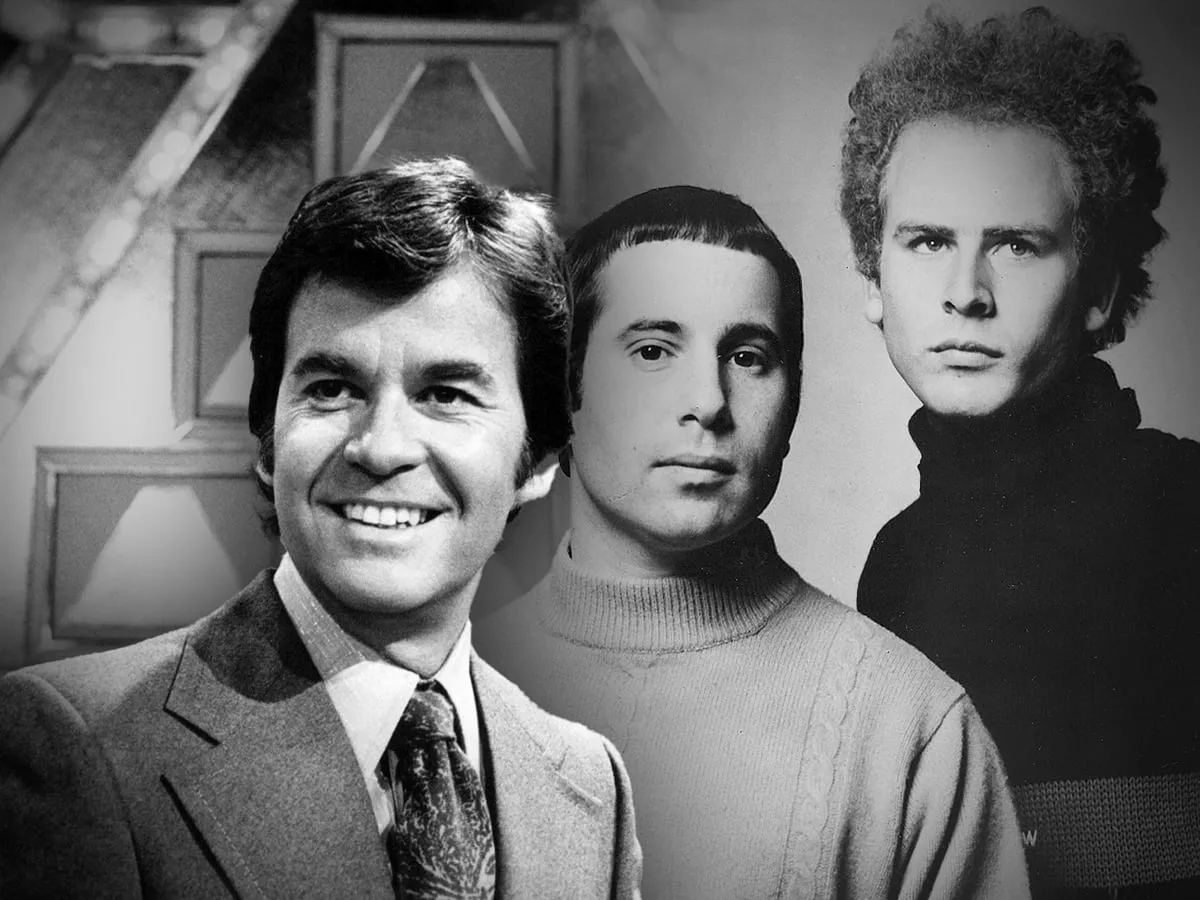
The history of pop music television is a rich tapestry, filled with iconic moments and unforgettable faces. From the UK’s Top of the Pops to America’s American Bandstand, these programs served as the definitive guide for generations of music lovers, setting the soundtrack for countless memories. At the heart of this era was Dick Clark, the host who became more than just a television personality; he emerged as a kind of musical guru, guiding the public through the evolving landscape of pop.
For decades, shows like American Bandstand acted as essential cultural fix, exposing audiences to everything from The Beach Boys and Jerry Lee Lewis to Madonna and Talking Heads. Simply by tracking the archives of these episodes, one can effectively map the entire development of American pop music. It was a powerful platform, offering unparalleled exposure to emerging talent.
Yet, the reality behind the glamour of the spotlight was often far less glittering than the screen suggested. While Clark held the keys to this television empire, the financial dealings behind that exposure raised some uncomfortable questions about the power dynamic between the host and the artists he featured.
Consider the story of Paul Simon and Art Garfunkel, a duo whose chart prowess demanded their presence on the program. Though they were destined for stardom, their experience on Bandstand revealed a stark difference between public adoration and private compensation.
When Simon and Garfunkel performed, they were operating under a system that felt decidedly one-sided. The standard payment for their performance was set at the union scale of $221. The artists were required to sign over this payment directly to the presenter, effectively giving up their deserved compensation for the opportunity to appear on television.
This arrangement felt less like a professional transaction and more like a handout. As Paul Simon reflected on the experience, the opportunity felt like a “teenage dream,” but the financial reality was a lesson in power. The presenter, rather than acting as a facilitator, essentially captured the first major payday from the young musicians.
While the duo eventually leveraged their success to make that money back and much more, the memory of that initial transaction lingered. In the eyes of the host, the artists were often viewed simply as a songwriting duo, easily exploitable for their televisual exposure.
It is a powerful reminder that behind the seemingly easy access to fame, there often lies a complex and sometimes unequal structure. The history of music television reminds us that while the spotlight is bright, the true cost of entry and exposure can sometimes be hidden in the shadows.
Buy on Amazon
Credit
