Deep Purple made a Cold War masterpiece in 20 minutes
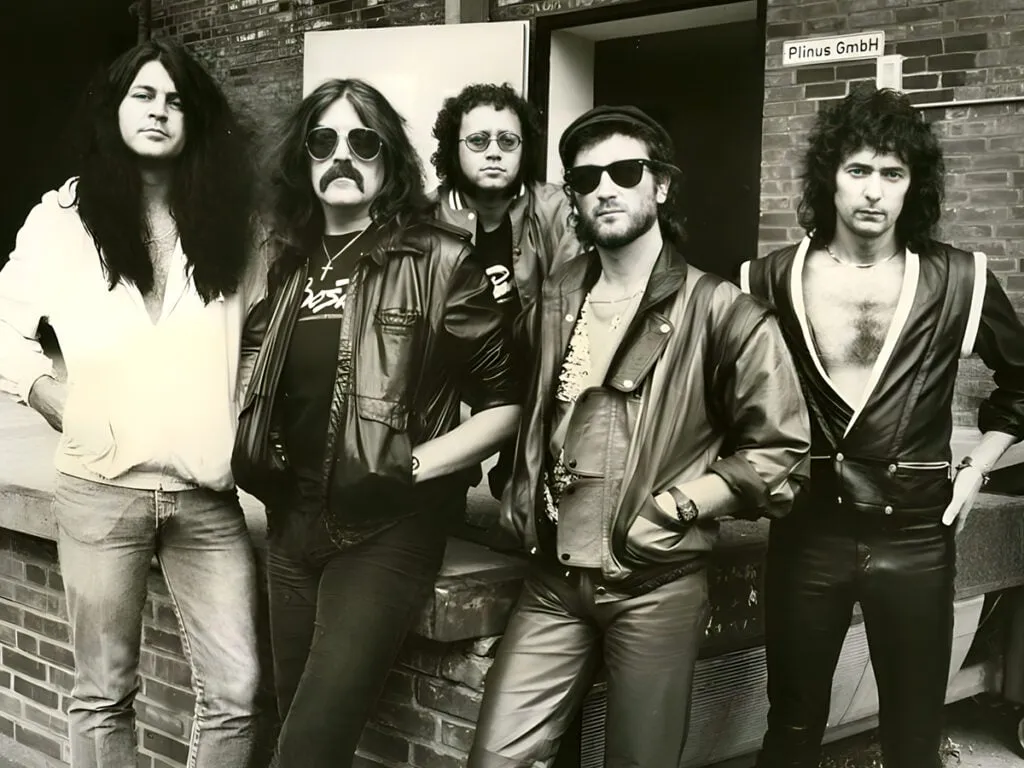
It takes a certain kind of musical alchemy to turn a fleeting idea into an anthem, especially when you try to tackle something as weighty as the Cold War. While many artists struggle to deliver a sensitive message with musical sincerity, some bands manage to weave history and tension into the fabric of a hit.
Deep Purple, in their quest to create a powerful statement, found their unexpected muse in the echoes of another song. They didn’t invent their iconic track Deep Purple”>Child in Time out of thin air; instead, they borrowed a potent musical thread from a forgotten piece, drawing inspiration from Bombay Calling>.
The genesis of this masterpiece was surprisingly streamlined. Jon Lord, known for his experimental organ work, began experimenting by playing the foundational chords of Bombay Calling>, a track originally from the band It’s a Beautiful Day. Though the original was a slow, plodding piece, Ian Gillan immediately recognized the potential for drama. He knew that to make the music truly resonate, they needed tension.
The breakthrough wasn’t a complex studio session but a moment of pure musical synergy. Gillan recalled walking into the rehearsal space and hearing Lord’s slowed-down chords, realizing that the core structure was already there. In a mere twenty minutes, the vision for Child in Time> crystallized. Borrowing a melody gave them the starting point, but it was the vocalist’s ability to stretch that musical phrase into something unsettling that gave the song its necessary emotional power.
As the global mood shifted under the shadow of the Vietnam War and the looming threat of nuclear conflict, Deep Purple channeled that anxiety into their sound. They wrote lyrics reflecting the era, framing the song with lines that spoke to the era’s mood, capturing the feeling of precariousness in the world.
The musical arrangement perfectly mirrored this political mood. Rather than relying solely on lyrics, the instrumentation painted the picture of global tension. The track built tension through Ian Gillan’s vocal showcase, culminating in a scream that felt raw and immediate.
This dynamic tension was perfected live. The performance that defined the song was captured in Osaka in August 1972. During this performance, Gillan pushed his voice to its limits, creating a sound that felt utterly exposed. The band masterfully managed the shift between mournful vulnerability and explosive fury, making the quiet moments feel almost as threatening as the sudden eruptions.
The arrangement allowed the music to breathe, giving the song the space to build and release. It wasn’t about simply being heavy; it was about creating an atmosphere—a dramatic re-enactment of the uncertainty of the era. Deep Purple demonstrated that pure, impactful music could communicate profound political and emotional truths more effectively than words alone.
Buy on Amazon
Credit
