De Niro climbed into a grave during filming that defined his career
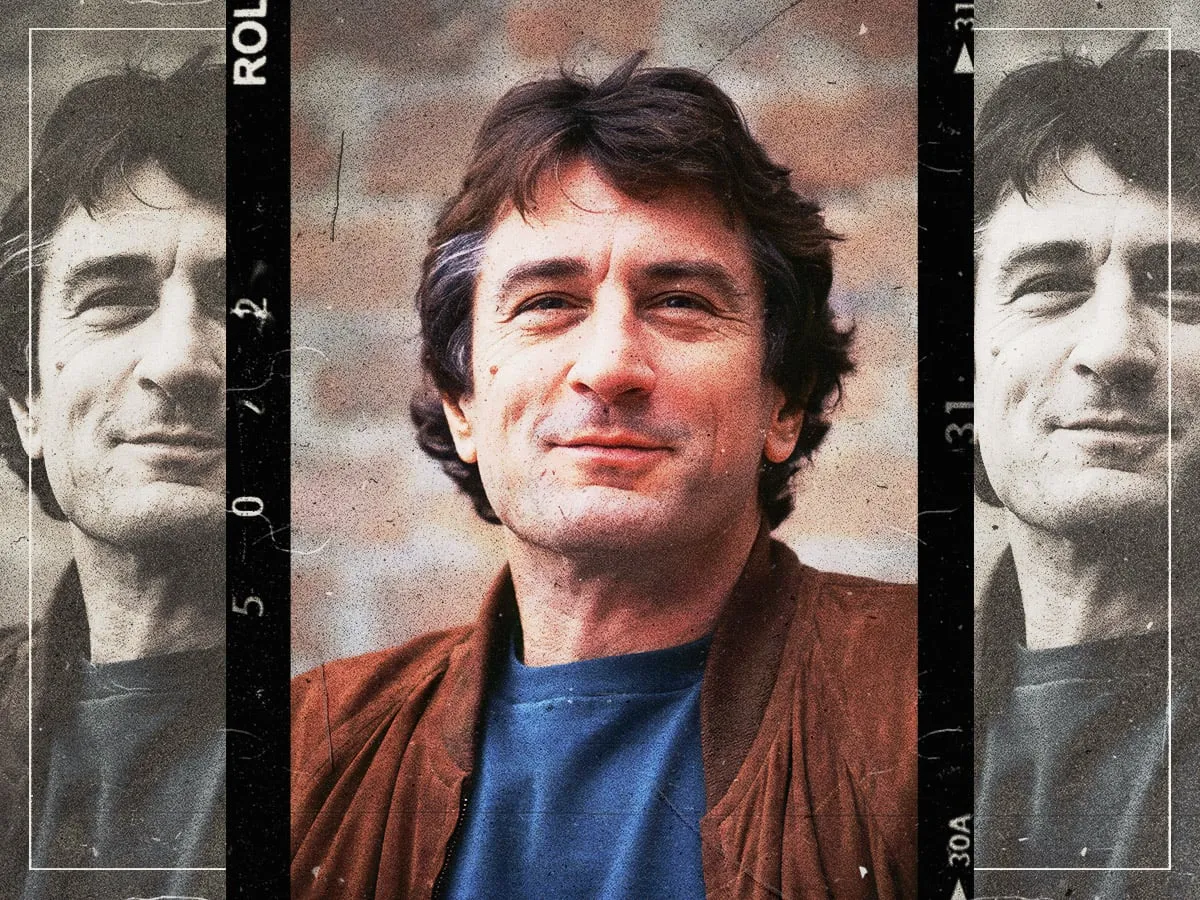
Few actors have carved a legacy as intensely and methodically as Robert De Niro. While today he enjoys the perks of high-profile appearances and witty commentary, his journey to stardom was paved with an extraordinary willingness to dive deep into the characters he portrayed, often pushing boundaries to achieve absolute authenticity.
De Niro’s commitment to method acting wasn’t just a performance; it was a philosophy of immersion. For decades, he demonstrated a remarkable willingness to go above and beyond, seeking to inhabit his roles completely. This dedication manifested in some truly astonishing feats. For instance, to capture the gritty persona of Travis Bickle in Martin Scorsese’s Taxi Driver, he spent weeks driving a New York cab. In Raging Bull, he trained relentlessly in the boxing ring to embody Jake LaMotta. Even for the chilling portrayal in Cape Fear, he paid a dentist $5,000 to ensure his teeth looked suitably menacing.
The pursuit of character was so profound that it extended into the realm of surreal direction. There are stories of director Terry Gilliam asking De Niro to treat his minor role as an air conditioning engineer in the fantasy drama Brazil with the same meticulous care a brain surgeon would apply. This tendency to take direction literally highlights the deep-seated nature of his artistic pursuit.
This intense approach was already apparent early in his career. As a young, ambitious talent in New York City, De Niro made a splash with controversial films alongside director Brian De Palma, including the sexually charged Greetings in 1968 and The Wedding Party in 1969. It was during this period that he began to test the limits of his commitment.
One memorable anecdote illustrates this dedication. During the filming of the crime drama Bloody Mama, De Niro recounted spending lunchtime in a grave, believing this was the necessary step to stay in character. He felt that when you are younger, you need such intense acts to stay in character, and that as you age and gain confidence, the effect can be achieved differently.
The film itself depicted a dark narrative involving a matriarch and her sons, which was highly divisive upon release, facing bans in several countries due to its depiction of violence and themes of sadomasochism. Despite the critical backlash, the film currently holds a low rating, suggesting contemporary audiences share the same complex reaction.
Regardless of controversy, De Niro remained prolific, swiftly moving to new projects and building an unparalleled reputation as one of the most gifted young actors of his generation, often sharing the spotlight with contemporaries like Al Pacino.
His pivotal moments arrived when he partnered with cinematic giants. In 1973, his performance in the gritty mob film Mean Streets opposite Harvey Keitel earned critical acclaim. The following year, he solidified his status by playing Vito Corleone in Francis Ford Coppola’s epic The Godfather Part II, securing his first of two Academy Awards.
Buy on Amazon
Credit