Creator explores the horror of kids TV with Buddy Review
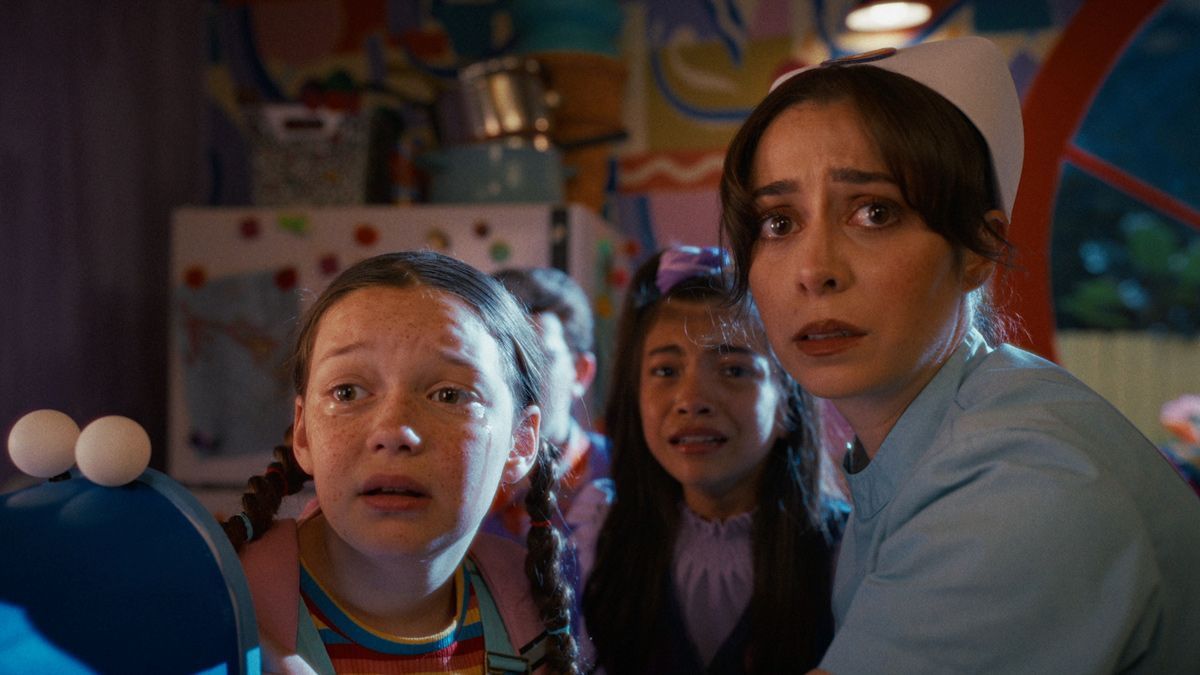
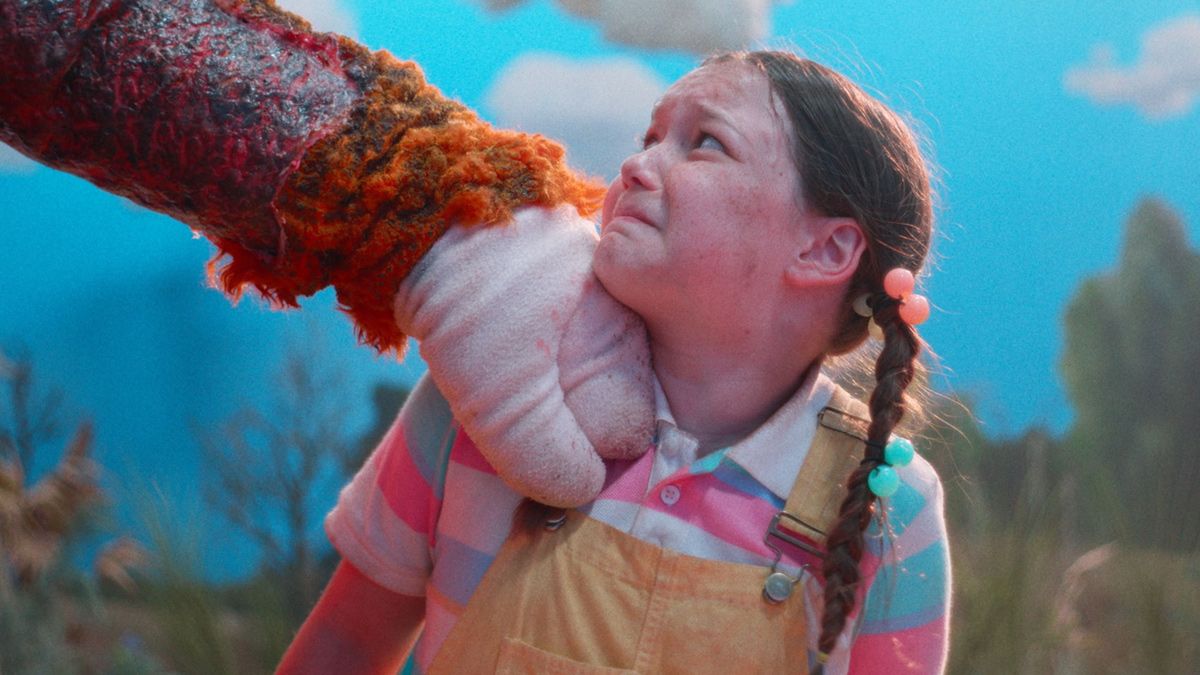
The world of children’s television is often remembered for its relentless optimism, but not all cheerful endeavors are met with universal adoration. Many years ago, a significant moment in media history involved an extreme backlash against the beloved children’s show Barney & Friends.
This resistance wasn’t born from genuine malice, but rather from a specific cultural reaction to relentless cheerfulness. Critics and parents often felt that the show’s unwavering upbeat nature pushed boundaries, leading to a peculiar kind of scrutiny over its presentation.
A notable part of this friction involved the narrative surrounding the cheerful singing purple dinosaur. While designed to be comforting, some observers began to inject darker, more complex interpretations into the show’s very fabric. Jokes and theories circulated about the purple figure somehow concealing a more sinister reality, suggesting that the innocence on screen masked something much more unsettling.
The tension reached a fever pitch when discussions centered on the perceived confinement of the children. Speculation arose that the cheerful soundstage, where the characters played out their lessons, might actually be a prison, trapping the young viewers in a saccharine reality that concealed a deeper, more terrifying truth.
This dynamic—the juxtaposition of overwhelming cheer and latent dread—became a fascinating cultural touchstone. It highlighted the complex relationship between media designed for comfort and the sometimes unnerving ways audiences interpret those comforting narratives. It demonstrated how even the most innocent entertainment can become a canvas for exploring darker psychological themes.
The story of Barney & Friends is more than just a footnote in television history; it is a reminder that the reception of media is rarely straightforward. It shows how laughter and wholesomeness can, sometimes, mask a powerful undercurrent of social anxiety, prompting us to examine what we choose to embrace and what we choose to fear.
Buy on Amazon
Credit
