Corgan wonders if Kanye West copied his path to fame
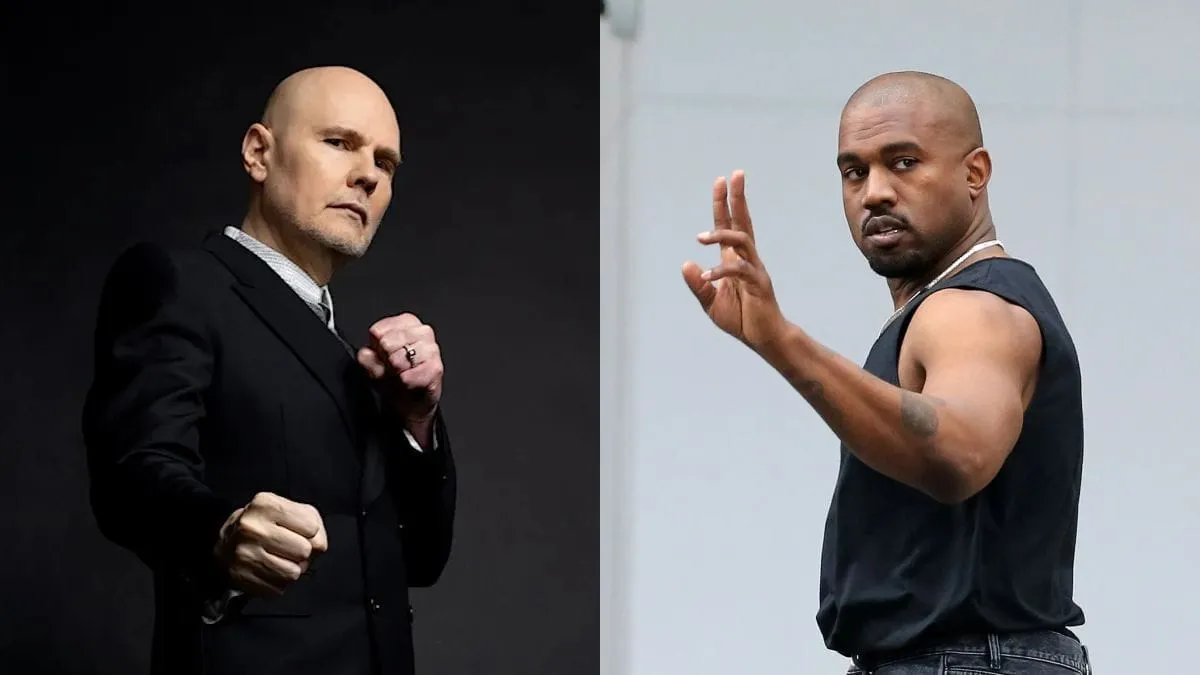
The landscape of modern celebrity is often a volatile mix of genius and calculated chaos. For musicians who have navigated the treacherous waters of fame, the playbook for success—or spectacular downfall—is rarely straightforward. Yet, some figures seem to operate with a particular, unsettling familiarity, pushing the boundaries of what is considered acceptable in the world of art.
This tension was brought into sharp focus recently during an appearance on the Popcast. When host Jon Caramanica sat down to chat with Smashing Pumpkins frontman Billy Corgan, the conversation naturally drifted toward the shared, often bewildering, experience of navigating public opinion. The core question was subtle but pointed: what parallels exist between Corgan’s own journey and the recent trajectory of Kanye West?
Corgan’s perspective suggested that the dynamics of fame, the relentless courting of controversy, and the ability to redefine public perception of artistry share startling similarities across the music industry. It is a familiar, if uncomfortable, rhythm that many artists find themselves dancing to, whether they intend to or not.
The comparison speaks to a deep, almost archetypal struggle: how does an artist balance the purity of their vision with the messy, often manipulative demands of a massive public stage? It forces a reflection on the line between genuine artistic evolution and the calculated performance of it.
When artists engage in such high-stakes behavior, they are essentially participating in a public experiment, testing the limits of fame and the audience’s tolerance for disruption. Whether intentional or not, the spotlight demands a certain level of dramatic flair, often leading figures to make choices that redefine their entire public narrative.
Ultimately, the discussion underscored a universal truth: the pursuit of artistic greatness is inextricably linked to the spectacle of fame. The story of navigating this complex terrain remains as compelling and contradictory as the music itself.
Buy on Amazon
Credit