Conservatives Admit The Odyssey Was Really Good
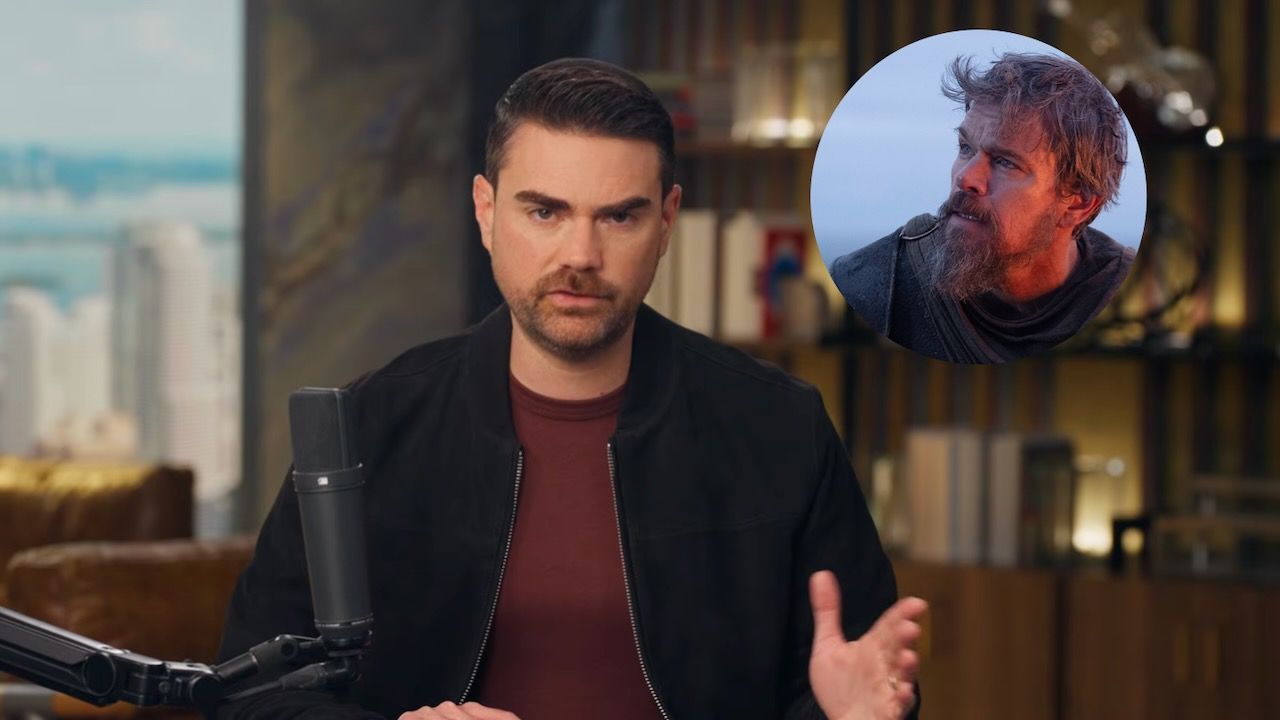
The casting choices in Christopher Nolan’s The Odyssey have ignited more than just cinematic discussion; they have sparked a full-blown culture war on the red carpet. What began as an artistic debate has morphed into a broader commentary on how Hollywood navigates contemporary social and political landscapes, particularly concerning representation and historical narrative.
The controversy centers on two key roles: Elliot Page, who plays the Greek soldier Sinon, and Lupita Nyong’o, who portrays Helen of Troy. These decisions, when viewed through a critical lens, have drawn intense scrutiny regarding Hollywood’s perceived disconnect from evolving cultural standards.
Some observers argued that these specific casting choices were more than just artistic selections; they felt they signaled a profound moment where the studio system was grappling with its responsibilities in depicting complex historical and social realities. The debate quickly escalated beyond the screen, drawing public attention to the role of representation in mainstream media.
This incident became a lightning rod for broader discussions about identity, history, and authenticity within cinematic storytelling. Critics pointed out that the way these roles were filled served as a powerful mirror reflecting ongoing societal conversations about who gets to tell which stories and how those stories are framed.
Ultimately, the casting of Page and Nyong’o in The Odyssey became a flashpoint for examining whether major film productions are truly aligning their creative output with the diverse and evolving world they claim to represent. It highlights the ongoing tension between artistic freedom and cultural expectation in the modern age.
Buy on Amazon
Credit