Colin Farrell begged a director not to cast him and won a Golden Globe
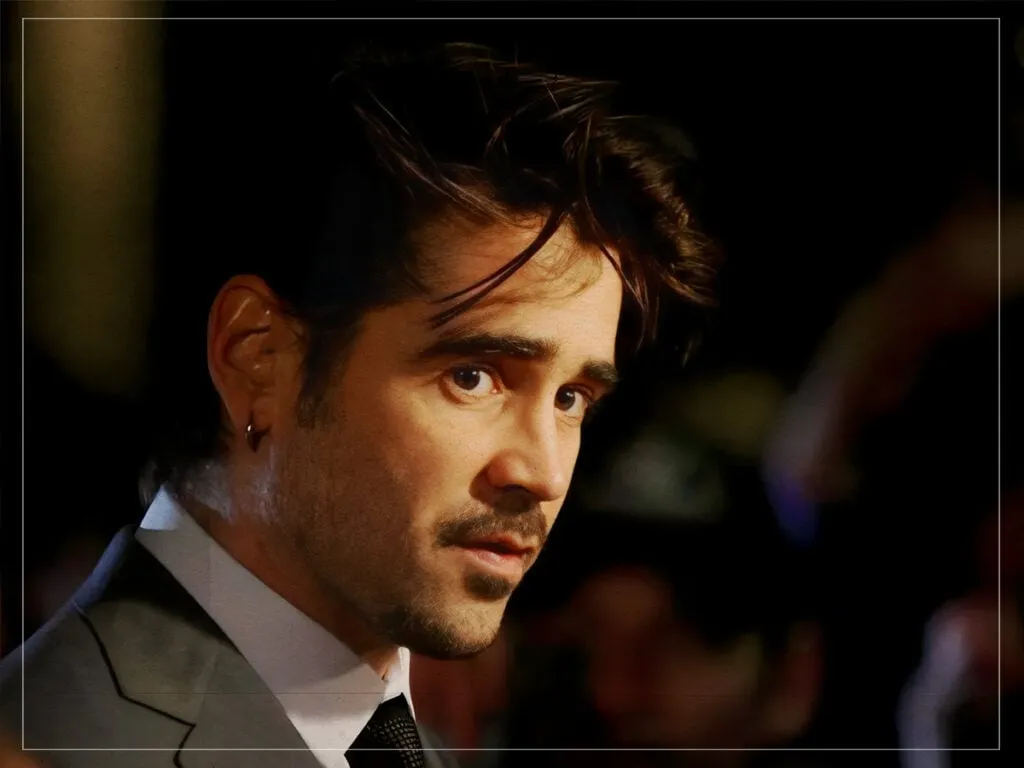
Before the polished sheen of international acclaim, actor Colin Farrell wrestled with a far more immediate, internal battle: the fear of his own image. This insecurity nearly derailed one of the most celebrated partnerships of his career, forcing him to spend time rethinking not just his craft, but his public perception.
The moment arrived when director Martin McDonagh approached Farrell about taking on the lead in the darkly comedic masterpiece In Bruges. While the script itself was a masterwork, Farrell was deeply reluctant to sign on. His hesitation wasn’t about the quality of the writing; it was about a lingering sense of apology tied to a previous, catastrophic film.
This apprehension stemmed from his earlier role in the box-office flop Alexander. That epic, starring Farrell as the Macedonian King Alexander the Great, had drawn scathing reviews and a notable nomination at the Golden Raspberry Awards for ‘Worst Actor’. The public backlash and the failure left a deep mark, and Farrell internalized the criticism, struggling to shake the sense of responsibility for the disaster.
The weight of that failure became a powerful source of self-doubt. He admitted that the experience nearly caused him to step away from acting entirely, feeling that his name carried a negative bias that would instantly alienate any audience he attached himself to. He worried that his reputation would drag down any collaboration, and he desperately sought to protect McDonagh’s reputation from any perceived taint.
This internal conflict led to a near-rejection of In Bruges. He feared that associating with McDonagh would only invite scrutiny upon the baggage of Alexander. It was only when McDonagh, with his characteristic dry wit, simply insisted, “OK, thanks. You’re cast,” that Farrell found the courage to let go of that personal fear.
In Bruges proved to be a transformative turning point. It was a critical success, and Farrell’s performance resonated deeply, culminating in a Golden Globe win for ‘Best Actor in a Musical or Comedy’. It allowed him to finally release the emotional hold of the past and embrace a new chapter.
This collaborative synergy with McDonagh became a hallmark, leading to further acclaimed projects like Seven Psychopaths and The Banshees of Inisherin. These films further cemented Farrell’s standing, earning him an Oscar nomination for The Banshees of Inisherin, demonstrating a successful journey from self-doubt to celebrated artistic partnership.
Buy on Amazon
Credit