Clint Eastwood calls a classic movie a failure in 1975
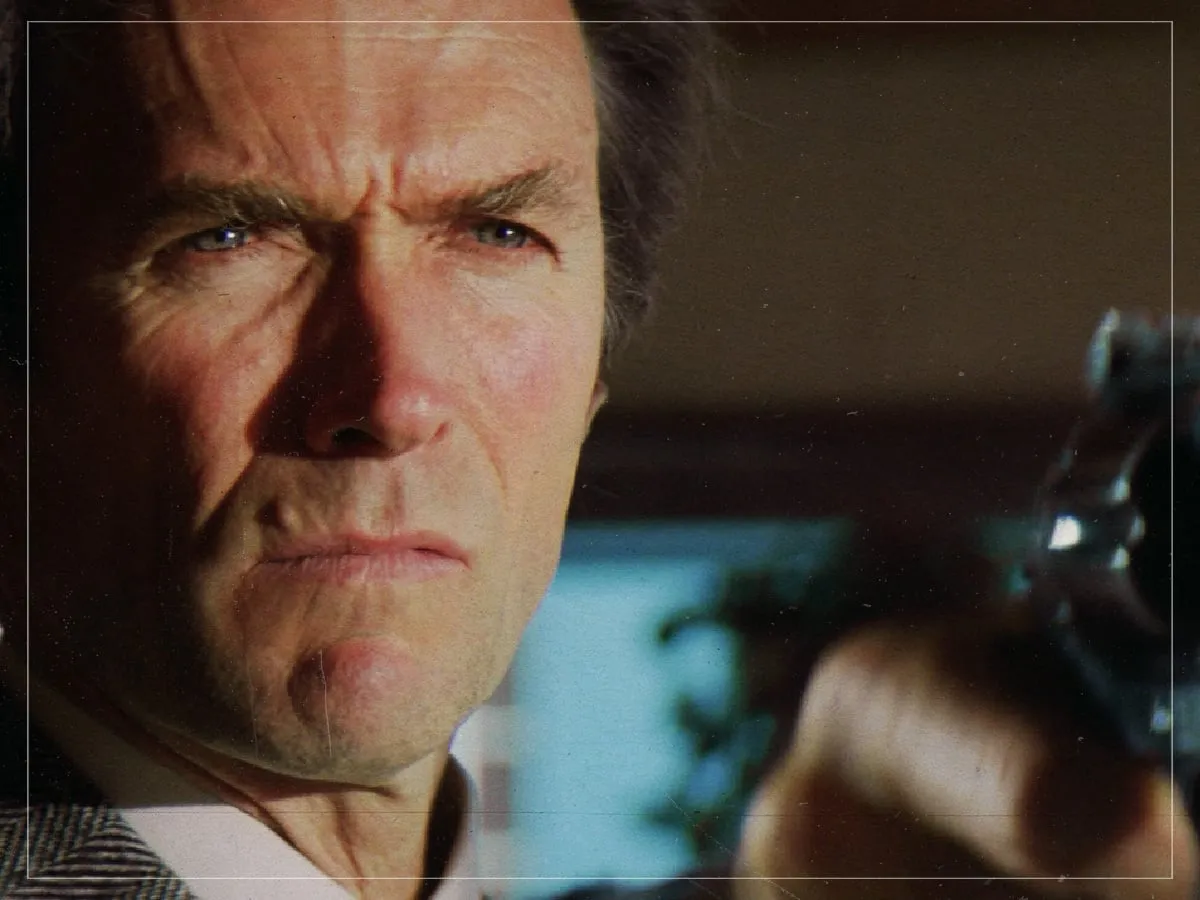
Even when a cinematic masterpiece graces the shortlist for the highest accolades, it doesn’t automatically earn universal acclaim. This is a timeless truth, often tested by the opinions of the very figures who define the industry. Few paradoxes are as compelling as the case of the legendary Clint Eastwood and one of the most celebrated films of the era.
Eastwood, the iconic figure known globally as the Man with No Name and star of Dirty Harry, carried immense cultural weight. Yet, even with his formidable reputation, his assessment of a cinematic giant often proved to be as surprising as it was contradictory. The film in question was Robert Altman’s Nashville, a work that cemented its place as a definitive piece of American cinema.
While Eastwood’s reputation was already monumental, his directorial and critical views were still developing. This context is important when examining his strong reaction to Nashville. He possessed a reputation, but his filmmaking career was still in its infancy, meaning his perspective on contemporary auteurs was filtered through a specific lens.
When faced with a film that had garnered eleven Golden Globe nominations and four Academy Award shortlists—including wins for Best Picture and Best Director—Eastwood’s dismissal of it was particularly striking. It highlighted a tension between artistic genius and personal preference.
Eastwood famously offered a scathing assessment of the film, calling it a failure. He described it as a mere cartoon characterisation of people, suggesting a complete lack of reality. He felt that the performances were artificial, reflecting a sort of disassociation from genuine human experience.
This critique of Nashville was not isolated. It mirrored a similar skepticism regarding his own work. For instance, Eastwood’s sole feature film release from that period, The Eiger Sanction, had reportedly cost approximately four and a half times more to produce than Nashville, yet he also considered that production a flop.
Eastwood insisted that the public’s rejection of the film was telling. He argued that the audience, by not going to see it, had confirmed its failure, pointing out that while it found some favorable reviews in specific areas, it was generally viewed as a failure across the country.
In 1978, when Nashville was already firmly established as an instant classic of modern cinema, and had amassed significant awards and critical praise, Eastwood’s lingering dislike offered a fascinating counterpoint. It suggested that even the most celebrated critics can disagree on the true meaning or impact of a work.
Ultimately, the story of Nashville and Clint Eastwood’s reaction serves as a powerful reminder: the line between personal taste and objective artistic greatness is often blurred. Great cinema, regardless of how it is received by its most famous figures, continues to leave an indelible mark on the cultural landscape.
Buy on Amazon
Credit