Clapton leaves Bluesbreakers for an even better guitarist
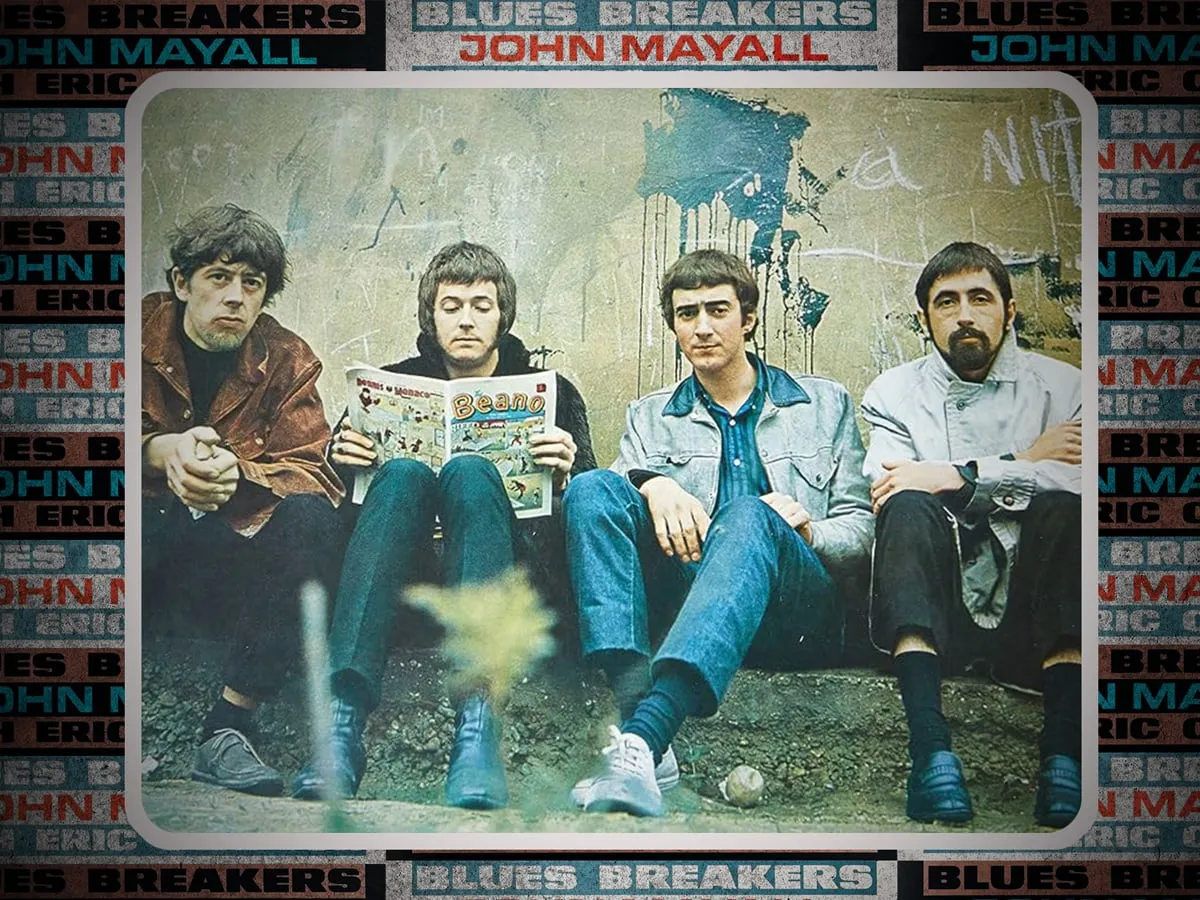
In the vast, sprawling landscape of British rock and roll history, certain figures cast long shadows, yet often remain quietly relegated to the footnotes. John Mayall, for instance, is arguably one of the most significant, if somewhat overlooked, names in the genre.
While names like The Beatles, David Bowie, and Jimi Hendrix often dominate the cultural conversation, Mayall’s influence was forged in a more specific, gritty environment: the legendary London blues scene of the mid to late 1960s. He didn’t just play music; he created the crucible where some of the era’s most essential talent was forged.
At the heart of this scene was The Bluesbreakers. More than just a band, it served as an incubator, a vital breeding ground that nurtured the raw, undeniable talent of the next generation. Within those walls, musicians like Eric Clapton, Mick Taylor, Jack Bruce, John McVie, and Mick Fleetwood didn’t just play; they learned the architecture of an airtight blues band under Mayall’s watchful stewardship.
Mayall’s role extended beyond mere leadership. He provided these musicians with crucial insight into what it took to master the blues sound, while simultaneously offering them a platform to develop their own unique musical visions—the kind that would eventually explode across the airwaves of the 1970s.
As the blues pioneer, Mayall was keenly aware that the talents flourishing within his band were poised to eclipse him. He treated his group not as a dynasty to be preserved, but as a baton pass, ensuring that the torch of innovation was handed to those ready to lead the future.
This transition became vividly real when Eric Clapton decided to seek new horizons, leaving the Bluesbreakers behind to pursue a path that would redefine his guitar playing. This moment opened the door for another seismic shift in the scene.
Into that void stepped Peter Green, a guitarist who immediately proved to be something entirely different. He wasn’t just a replacement; he was the unstoppable force of the next decade. Green’s mastery of the guitar and his magnetic presence ensured that he became the most eulogised and influential figure of that crucial rock and roll era.
While the story of some figures fades into myth, Green’s impact burned bright and fast. His trajectory, marked by extraordinary talent and some unfortunate, defining personal struggles, leaves behind one of music’s most enduring and fascinating what if? stories.
Buy on Amazon
Credit