Clapton finds this 1961 album almost too powerful
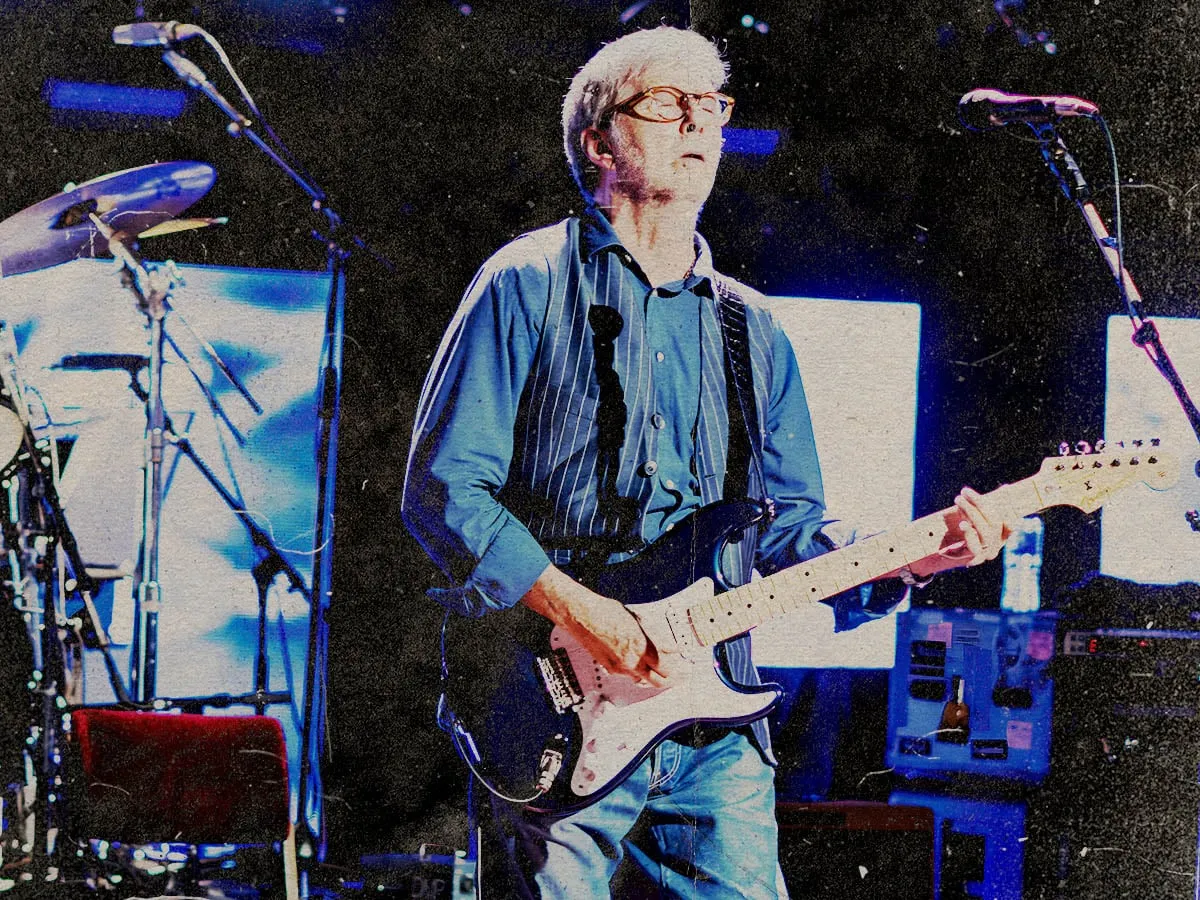
Throughout the counterculture’s heady traverse, Eric Clapton always found himself standing on the periphery of the psychedelic revolution. While he certainly contributed to the decade’s sonic kaleidoscope, decked out in flowery attire and playing with hypnotic, fuzzed-out riffs, his true compass remained fixed on an older, deeper musical foundation.
Clapton wielded the tools of psychedelic rock, pushing groups like Cream toward a kaleidoscopic bloom. Yet, beneath the aural trickery and heavy mesmerism of the era, there was an unshakeable tether to the enduring power of the old blues tradition—a commitment he refused to abandon.
He navigated the musical currents of the sixties by making calculated compromises. He moved away from The Yardbirds when pop sensibilities took hold, and later found inspiration in the tail end of the British blues boom with groups like John Mayall & the Bluesbreakers. These experiences helped him forge a happy medium, blending the new sounds with the roots he held dear.
The chemistry of the Cream era, with Jack Bruce’s swinging bass and Ginger Baker’s jazzy percussion, provided a perfect, if temporary, vehicle for this blend. For Clapton, psychedelia was an intriguing creative flare, a moment of artistic exploration, but ultimately, it felt like a passing fad when measured against the foundational DNA of rock and pop.
The enduring truth, however, was that the blues held a rustic grip on his heart. Clapton possessed an encyclopedic knowledge of the old bluesmen, from Buddy Guy and B.B. King to Howlin’ Wolf, figures who served as essential pointers during his early immersion into rock and roll.
At the very core of his musical psyche lay the legacy of the Delta blues maestro Robert Johnson. This figure constantly beckoned Clapton’s work, influencing him even decades after his 1960s peak.
The impact of Johnson’s story was profound for a generation eager to grapple with the blues. The 1961 compilation King of the Delta Blues Singers scooped up the bulk of Johnson’s crucial sessions, bundling together unreleased recordings and rarities that gripped British ears eager to embrace the blues style.
This connection was not merely academic; it became a life-long devotion. Covering Johnson’s songbook and performing his music live took Clapton’s lifelong love affair with the Delta hero to its zenith. In 2004, he released the album Me and Mr Johnson, a tribute wholly dedicated to the Mississippi guitarist’s immortal mark on the very foundations of music.
Clapton’s journey reveals a masterful negotiation between rebellion and reverence. He embraced the electric freedom of the era while remaining firmly rooted in the essential truth of the blues, proving that true musical genius lies in balancing the new with the timeless.
Buy on Amazon
Credit