Chrissie Hynde: “A fuckin’ excellent guitar player”
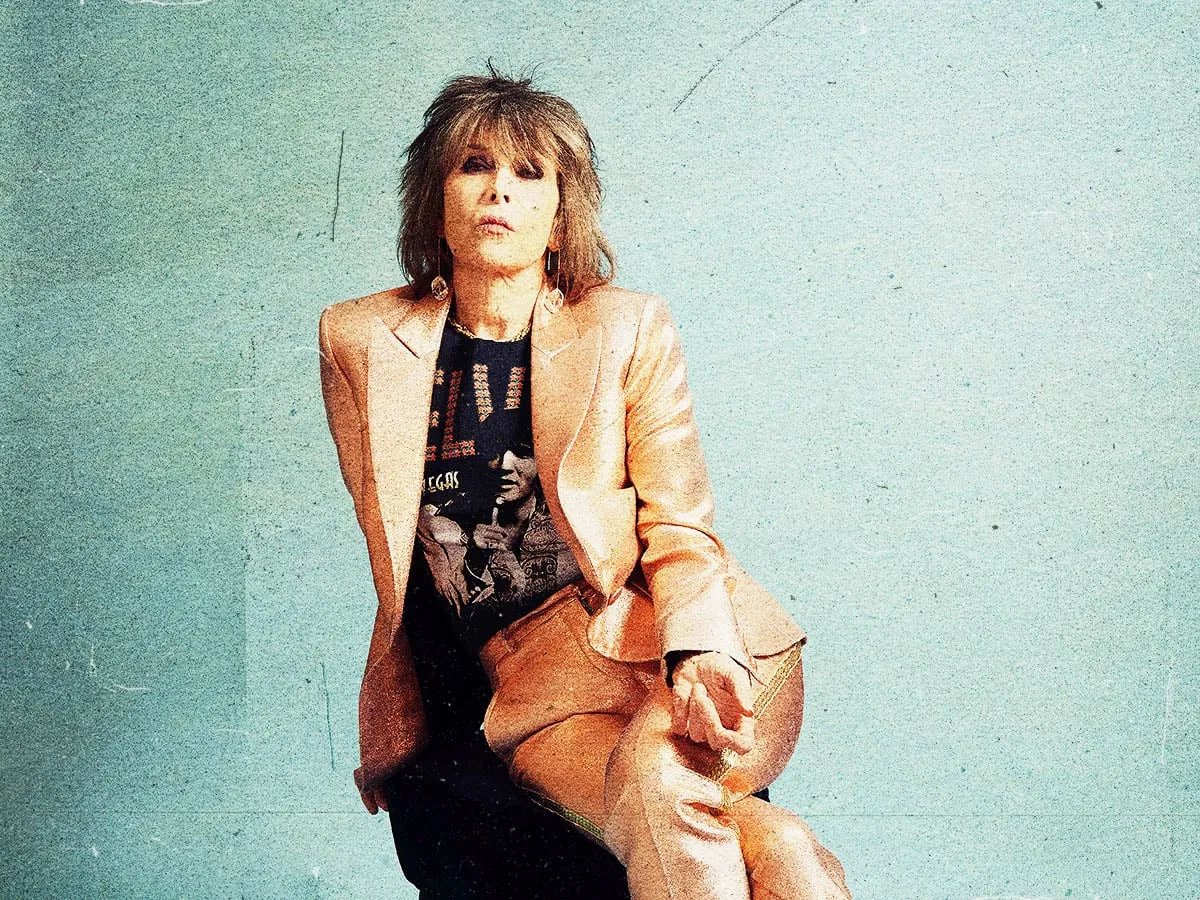
For many pioneers of rock, achieving fame often arrives during a period of intense transition, forcing them to grapple with the bittersweet reality that gratitude for their success frequently coexists with a desperate desire to break free from the spotlight.
While the joy of making and playing music remains central to her life, navigating the glare of public attention often introduces considerable pressure. Being recognized everywhere and expected to live up to the hopes of strangers is a heavy burden that must be weighed against creative freedom.
Chrissie Hynde has faced numerous moments where she had to assess the pros and cons of her status. This balancing act ranged from being asked to appear on massive television productions, such as Friends, to navigating simple, chance encounters with fans on the street. It was only much later that the reality of her fame—the constant public scrutiny—began to settle in, leading to moments of regret regarding those initial opportunities.
The quest for freedom was not always easy. When Hynde was linked to the burgeoning punk scene, the impulse to trumpet her arrival was dramatic. A massive billboard erected in London’s Shepherd’s Bush filled her with dread, and she recalled sitting on her bed and crying, feeling the sense of freedom slipping away without knowing how to reclaim it.
This tension persists whenever she interacts with the public. Although she appreciates the appreciation for her work, there is often a sense of being out of place. This feeling drives her to naturally compare herself to others in similar positions who seem to handle the spotlight with greater ease and grace, pointing to figures like Paul McCartney as inspiring examples.
Perhaps this discomfort stems from her position as a woman in rock, forcing her to confront the societal expectations placed upon her. Throughout her career, Hynde has admired figures like Joni Mitchell, who offered a profound model for navigating prominence while maintaining artistic integrity.
Hynde’s deep respect for Mitchell is well-documented. While they shared a passionate bond—evidenced by moments of musical rivalry—it is the way they both manage to keep the raw energy of live performance alive that truly connects them. It is a connection that often goes unnoticed amid the focus on lyrics and voice.
Mitchell, an accomplished lyricist, possessed remarkable talents that Hynde deeply appreciates, particularly her mastery of the guitar. While many listeners may overlook this skill, Hynde recognizes it as a profound talent. She famously remarked that Mitchell was “a fuckin’ excellent guitar player,” noting that she didn’t know any of the musical greats who could match her prowess.
What Hynde admires most is Mitchell’s ability to defy expectations regarding talent, age, and the pressures of fame. Mitchell understood these struggles intimately, having once expressed discomfort about entering a room under the scrutiny of many eyes. Despite those industry demons, her sheer audacity to return and thrive across all her talents—including guitar work—serves as Hynde’s enduring north star in her own journey.
Buy on Amazon
Credit
