Chick Corea’s 1961 masterwork that defined jazz
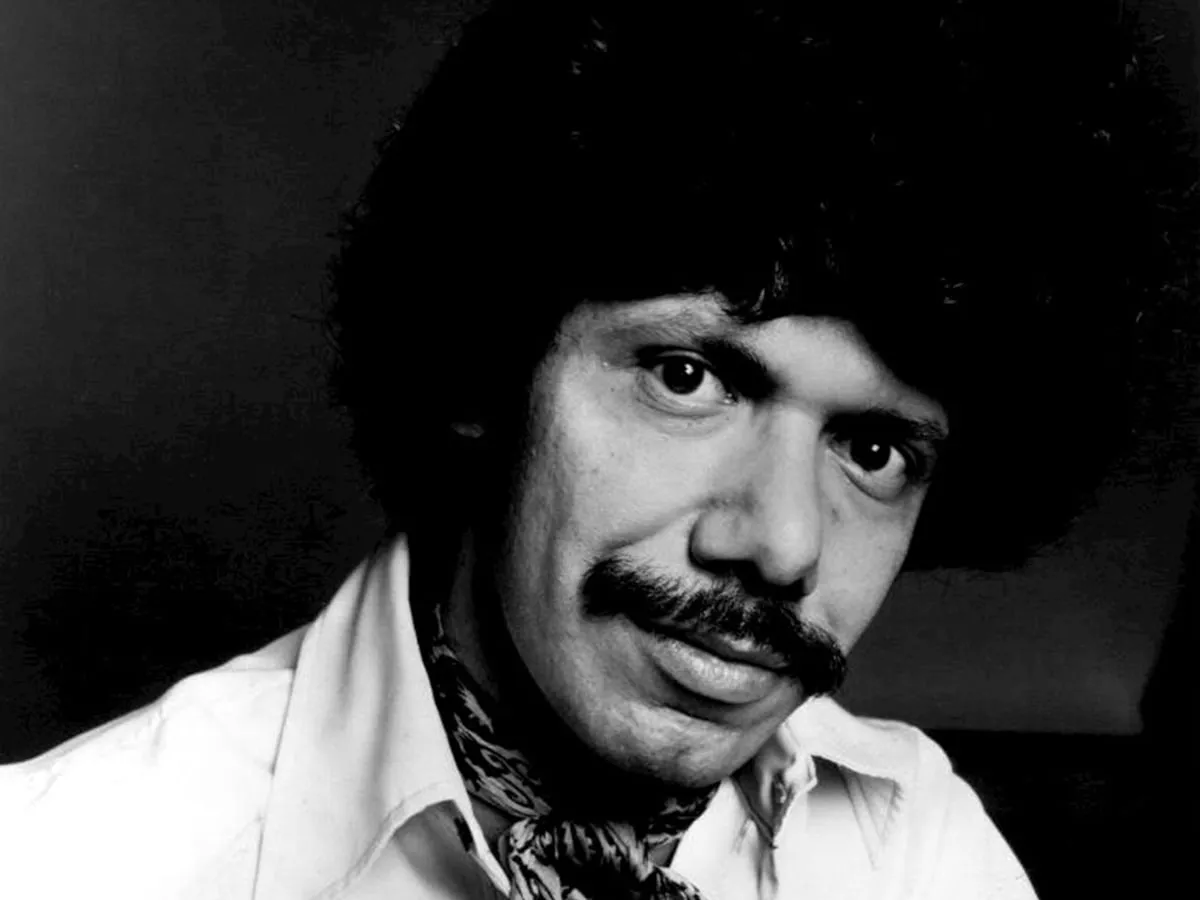
The journey of musical genius is often paved with choices, and for Chick Corea, the path from classical discipline to jazz improvisation was a defining pivot. Before he found his place on the legendary stage with Miles Davis, Corea was a young artist in the throes of ambition, determined to ‘make it’ in the competitive world of music.
After graduating high school in 1959, Corea made the leap to New York, enrolling at Columbia University. But his focus was already fixed on the rhythm of jazz rather than the rigidity of traditional academia. Distracted by a desire for professional musical pursuit, he dropped out after just a month, immediately setting his sights on the city’s most esteemed musical institutions, aiming for the prestige of Juilliard.
Corea dedicated a year to honing his skills, striving to earn a spot at the elite arts college. When he was accepted to Juilliard in 1960, the dream seemed within reach. However, even in this moment of academic success, a deep internal conflict arose. A conversation with a fellow pianist revealed a fundamental tension: Corea loved the structured beauty of classical music, particularly Chopin, but he was yearning for the spontaneous freedom of jazz.
This internal dilemma led to a pivotal choice. Corea had the opportunity to choose between the classical path and the jazz world. He opted for the latter, leaving Juilliard after only two months. Though this choice offered immediate artistic liberation, Corea carried lingering doubts about sacrificing the foundational training of classical pianism.
The real catalyst for his artistic direction arrived through an unexpected sonic discovery. While building his reputation in local jazz bands, Corea encountered Miles Davis’s recording of someday-my-prince-will-come. The title track, an intriguing reinterpretation of the classic Disney melody, struck him with incredible force. It was not just a piece of music; it was a masterclass in emotional freedom and instrumental communication.
Corea found that this recording illuminated the very essence of what he sought in music: spontaneous creativity and effortless expression. He recognized the profound beauty in the interplay between melody and groove, a feeling that transcended academic boundaries. It was a realization that resonated deeply, suggesting that his dreams—and his musical destiny—would ultimately unfold.
This moment of inspiration fueled his trajectory. Six years later, Corea was joining the most celebrated musical entity of the era, Miles Davis, playing some of the most celebrated jazz fusion records, including filles-de-kilimanjaro, in-a-silent-way, bitches-brew, and on-the-corner. It was a journey that proved that the true mastery lay not in adhering to rigid lines, but in embracing the freedom to improvise.
Buy on Amazon
Credit