Chicago love song gets Indiana Jones and Casablanca makeover
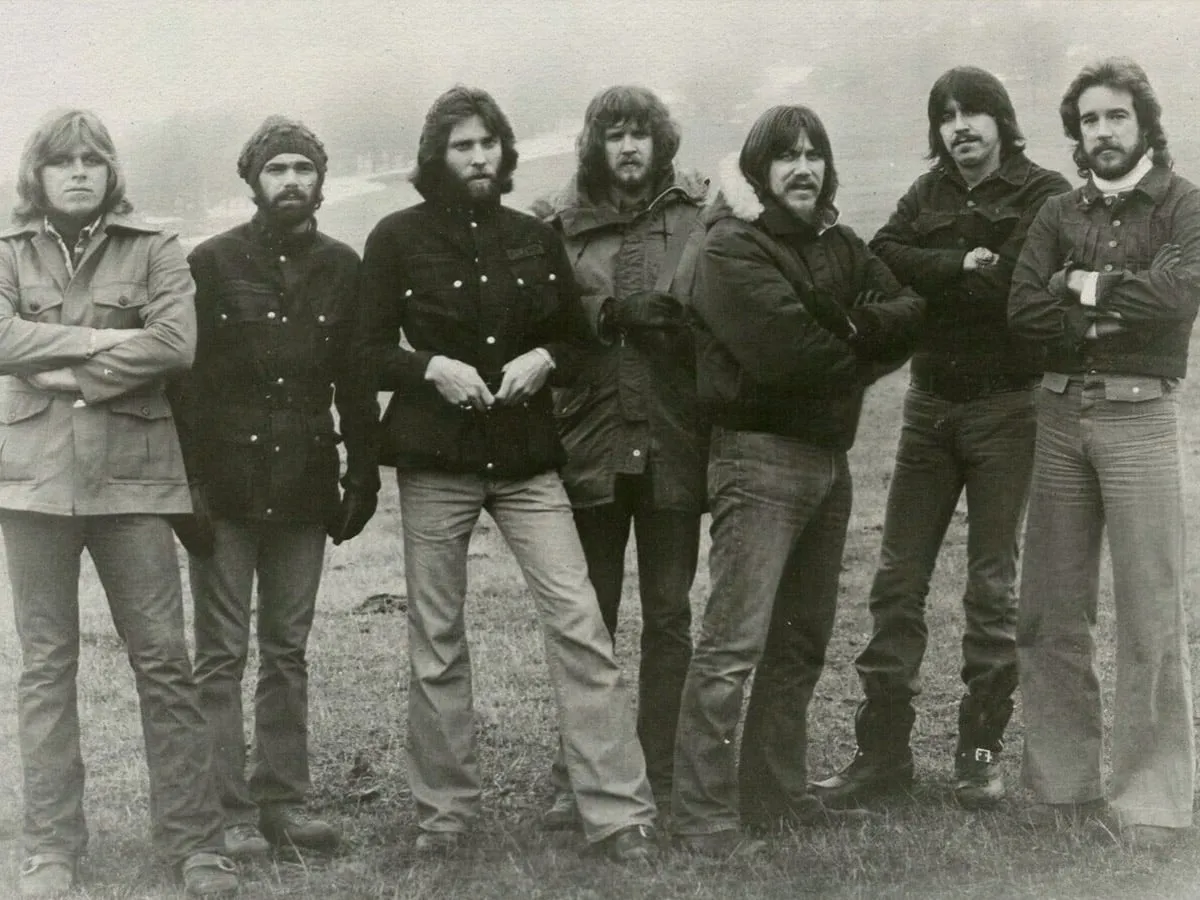
Not every musical act aims for the dramatic; sometimes, the simplest ideas are the most enduring. The concept of a sweet love song, for instance, works because it lets the emotion breathe rather than trying to cram an entire cinematic experience into a single track. While bands like Chicago weren’t known for overly cerebral lyrics, they certainly knew how to deliver a powerful sound.
This contrasts sharply with the era of Led Zeppelin, whose staples often leaned toward the mellow side. Songs like If You Leave Me Now remain some of the most sweetly melodic love anthems of the 1970s. However, as the music industry evolved, so did the expectation for spectacle. Once the band entered the MTV generation, every act of that era faced a seismic shift in how they marketed themselves.
The demand for elaborate videos might seem absurd to a group accustomed to the rhythm of the road, but the focus shifted entirely to visual identity. Suddenly, the question wasn’t just “what do you sound like?” but “what do you look like?” For groups like Chicago, this meant putting faces to the name that had often been defined by a logo. Walter Parazaider had previously noted that maintaining relative anonymity helped keep the band’s egos in check, but MTV presented a new opportunity.
A familiar voice could now transform into a recognizable face, allowing singers to step beyond the microphone and engage in a broader performance. It was a leap from simply letting the music introduce everyone to stepping into someone else’s movie, yet the band was eager to embrace the change.
Their artistic ambition soon found a compelling outlet. For one of their tracks, Along Comes A Woman, the band opted for a cinematic vision that offered a dramatic heft, aiming for the grand scale of modern blockbusters rather than just a simple music video. They weren’t aiming for merely good; they wanted the visual impact of a major film.
In a fascinating move, the band drew inspiration from adventure classics. Director Jay Dubin, working on the video, sought to capture the mood of films like Indiana Jones and the glamour of Casablanca. Dubin even recounted the creative process, noting they were trying to achieve a Hollywood look with a limited budget, even incorporating a trick studio feature like a water pit to achieve a rustic, adventurous feel.
This blending of simple, heartfelt lyrics with high-octane cinematic flair demonstrated Chicago’s ability to adapt. While they would eventually find their footing in the 1980s with tracks like You’re The Inspiration, the real magic lay in seeing the group deliver these theatrical performances. Their true strength was always in performing their songs, and witnessing them try to inhabit these elaborate roles elevated the entire experience.
Buy on Amazon
Credit