Carole King changed music and humanity forever
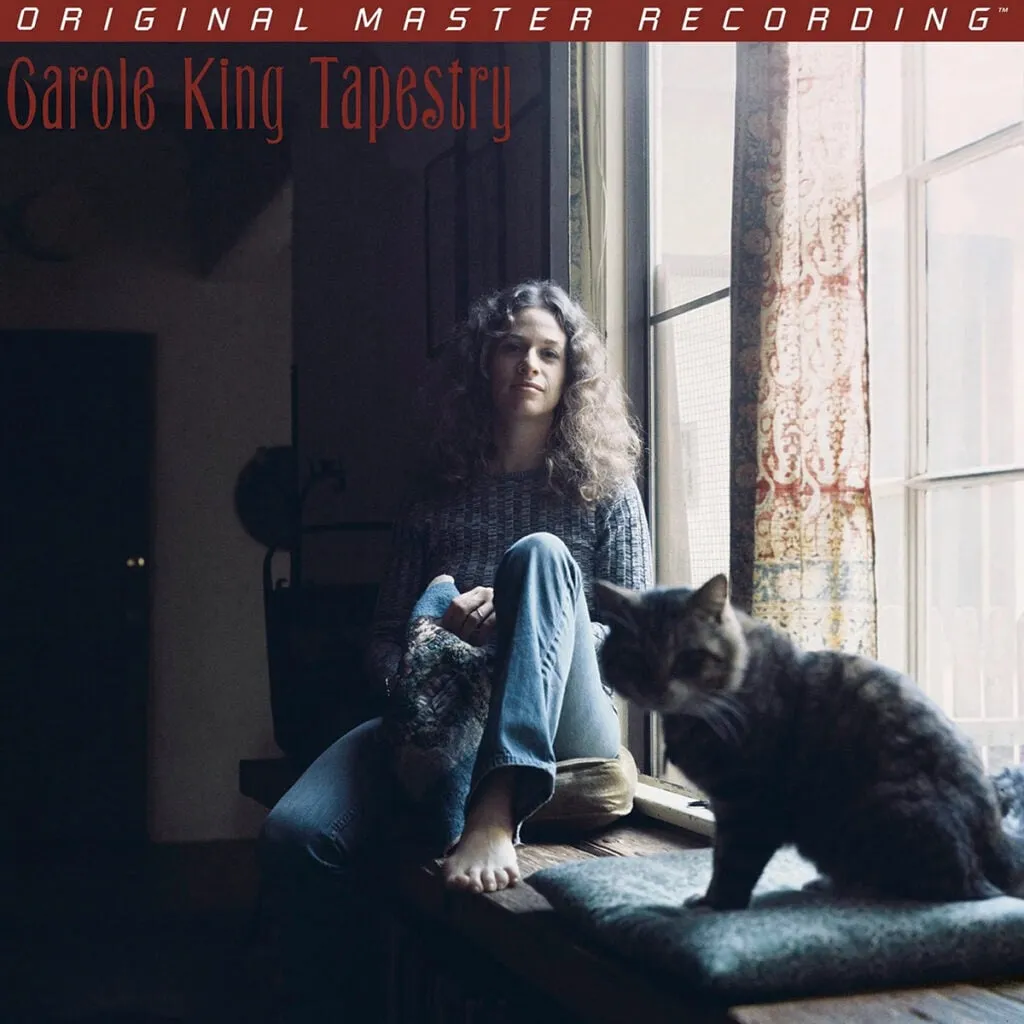
Few figures have shaped the landscape of popular music as profoundly as Carole King. Having spent her career collaborating with some of the greatest vocalists of the 20th century, King possesses an unparalleled understanding of what separates a talented singer from a truly exceptional one. Yet, for King, one soul singer in particular struck her as something far more transcendent: Aretha Franklin.
The admiration King held for Franklin extended far beyond the chart success and awards. For King, Franklin’s genius lay in her remarkable ability to navigate the delicate balance between sacred and secular music, allowing her to carry the immense emotional force of gospel into the realms of pop, soul, R&B, and rock without ever diluting them. This willingness to cross boundaries was key to Franklin’s unique power.
King observed that many gospel singers resist the transition to pop music, but Franklin embraced it. This openness allowed her voice to radiate pure, unadulterated joy with every performance. As King noted, when you hear Franklin sing, the response is one of utter pleasure, not just technical skill. She genuinely loved to sing, and she loved to play the piano, embodying a philosophy where the artist must simply show up and be the instrument, allowing feeling and experience to flow directly through the voice.
This profound connection was cemented long before major tributes. In the late 1960s, King co-wrote the timeless hit “(You Make Me Feel Like) A Natural Woman” with Gerry Goffin for Franklin. For King, the praise she offered Franklin was never just about the song itself; she saw an artist who brought complete commitment to every piece of material, making it feel utterly essential.
This admiration reached a peak in 2015 at the Kennedy Centre Honours, when Franklin performed “(You Make Me Feel Like) A Natural Woman” in a tribute to King. The moment was electric. The original writer recalled watching King’s face light up as Franklin sat at the piano, but the true moment came when Franklin launched into the song. The performance was nothing short of breathtaking, capturing a command, humour, and spiritual intensity that left King absolutely blown away.
It was a moment that transcended the personal; it became a testament to the shared human experience that music provides. While statistics can measure Franklin’s influence—18 Grammy Awards and 75 million records sold—King pointed to something far more impactful: the ability of music to connect people. As Barack Obama remarked upon witnessing the performance, American history seemed to “well up” when Franklin sang because she captured the very essence of the American experience.
Carole King’s perspective is beautifully simple yet sweeping: their music didn’t just entertain; it helped people feel more fully alive. It is this shared capacity to move hearts that defines the enduring legacy of both artists.
Credit