Caan calls a $300 million hit “a movie I hate”
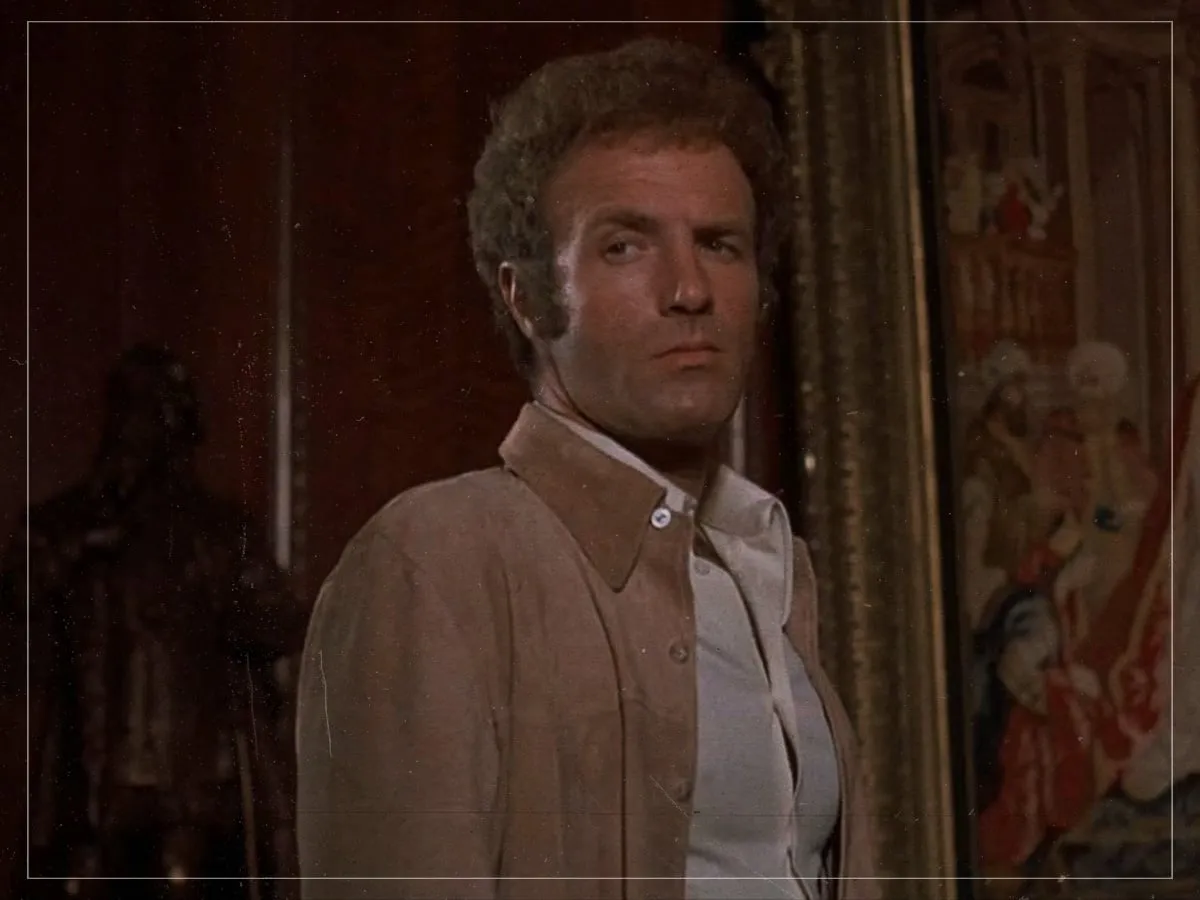
In the world of cinema, there are roles that define careers, and there are those that are simply ignored. For actor James Caan, the latter category defined much of his celebrated career. Despite being offered a constellation of legendary opportunities, Caan famously turned down roles in some of the most iconic films ever made, and he never regretted the choice.
The list of films he declined was staggering. It included the opportunity to star in masterpieces, such as those starring Gene Hackman, Jack Nicholson, and Dustin Hoffman, alongside the spectacle of Star Wars characters like Han Solo and Superman. He also passed on roles in acclaimed dramas like The French Connection, One Flew Over the Cuckoo’s Nest, and Kramer vs Kramer.
Among the most requested roles were those in massive blockbusters and celebrated dramas. While many peers eagerly chased these career-defining opportunities, Caan maintained a distinct artistic boundary. This resistance wasn’t born out of a lack of ability; rather, it stemmed from a unique philosophical approach to filmmaking.
As the era of effects-driven spectacle arrived, Caan’s resistance only solidified. He felt that the people in these cinematic universes often faded into the background, overshadowed by the grand scenery or technological innovation. He observed that in many of these films, the characters felt less real, played by actors who were simply made to look dedicated, set against landscapes or technological marvels that held greater importance than the human element.
“I’ve been in so many films where people don’t matter,” he explained. “Where the mountain in the background is more important than the character. The people aren’t real. Everybody gets played ‘dedicated’. Everything is black and white. Or it’s so technological that’s all it is.”
This perspective dictated his choices. Caan was focused on a cinematic experience where the setting and the scope superseded the portrayal of individuals. He sought a different kind of storytelling, one that wasn’t simply about casting names in grand, predetermined narratives.
Even when faced with monumental opportunities, such as starring in Steven Spielberg’s groundbreaking debut, Caan remained steadfast in his artistic convictions. His refusal wasn’t a mere stubbornness; it was a principled stand on what he believed cinema should represent.
This philosophy was perhaps best illustrated when he faced the prospect of Close Encounters of the Third Kind. When offered the role, Caan initially expressed reservations, calling it “a movie I hate.” Yet, as he finally engaged with the spectacle, he conceded that while he might not have offered effusive compliments, the film possessed undeniable visual magic. It was a light show, complex and brilliant, even if it didn’t fit his preferred mold of human-focused drama.
Buy on Amazon
Credit