Brian May’s jealousy of the 70s rock giants
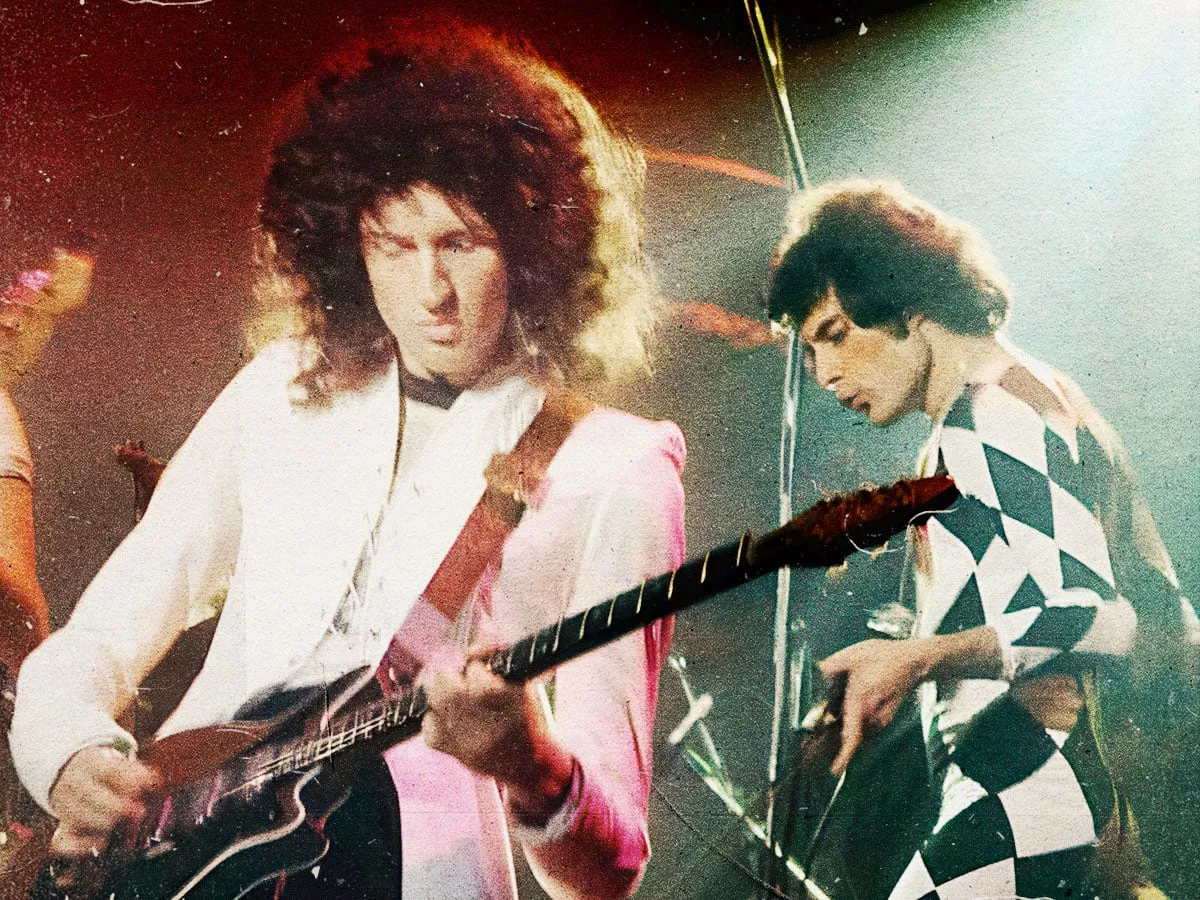
Once Bohemian Rhapsody arrived in 1975, Queen had firmly landed themselves at the top of the music world, the result of years of relentless hard work that cemented their status as one of Britain’s most formidable rock acts.
The chase for chart dominance was over; the band had reached the summit and now focused on maintaining that lofty position. Brian May, a driving force within the group, was determined that the creative peak they had achieved would remain firmly theirs. With musical competition largely sidelined, the focus shifted inward, allowing the band to remain a powerhouse of innovation. They were constantly evolving their sound, forging new musical avenues that many others hadn’t even considered.
From the very beginning, May was involved in the foundational work, starting with the proto-Queen group Smile. However, it was the arrival of Freddie Mercury that ignited the synergy, birthing songs that managed to be both incredibly camp and thunderously powerful. While early work emphasized heavy riffs and progressive ideas, the dynamic shifted dramatically once they released hits like Killer Queen. Under Mercury’s vision, the band transitioned into crafting tunes that were as tuneful as they were adventurous, exemplified by masterpieces like Bohemian Rhapsody and Love of My Life.
May often viewed himself as an impresario, believing the music they created was of the highest order and deserved universal respect. Yet, despite their immense commercial success, Queen never quite captured the heart of every genre enthusiast.
This feeling of uniqueness became clearer when compared to other giants of the era, particularly Led Zeppelin. While Zeppelin explored adventurous material, Jimmy Page preferred to build their legacy through cohesive albums rather than chasing individual singles. This created a divergence: where Zeppelin focused on the album as a unified artistic statement, Queen focused on a singular, commanding vocal presence.
There was a notable difference in the live dynamic. Freddie Mercury’s stage presence was often so commanding that he felt more like a singer backed by a band, turning the concert into a spectacular event. This contrasted sharply with the audience engagement of groups like Led Zeppelin, where the focus was on shared participation. May admitted that the vocal spotlight placed on Mercury meant the singing became the central, most important element of the Queen experience.
This led to a subtle but crucial difference in how the band interacted with their fans. May felt a degree of irritation over the audience’s insistence on singing along to their tracks. While almost every rock band encourages fan participation, the theatricality of the 1970s meant live music often functioned more as theatre.
However, this focus on spectacle ultimately proved to be a strength. As the band embraced their strengths, they learned to channel the audience’s energy. They eventually adapted, channeling that energy into songs like We Will Rock You, which became a communal anthem. The internal focus shifted, allowing May to recognize that the audience was no longer just spectators, but a vital, fifth member of the group.
Ultimately, Queen carved out a unique space, defining themselves not just by their phenomenal music, but by a dynamic balance between artistic ambition and audience connection, securing their place as timeless rock royalty.
Credit
