Brian May on replacing him in Queen: A lot in common
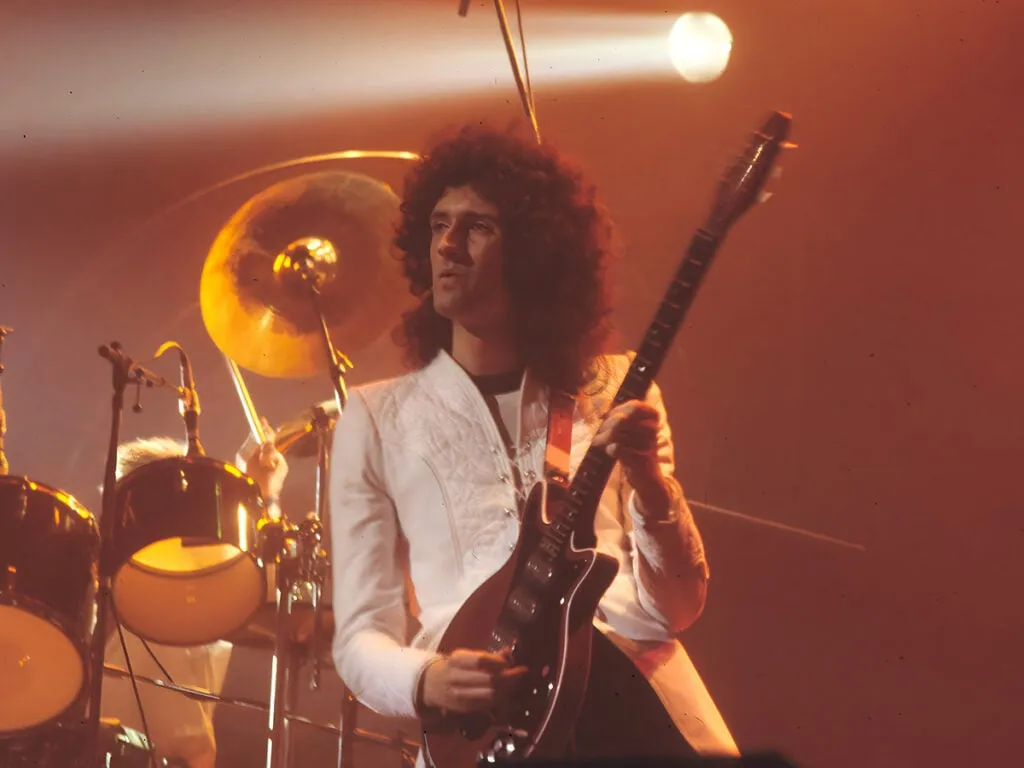
In the rarefied air of musical history, the idea of replacing any member of Queen is simply unthinkable. Each musician seemed less like a band member and more like an essential cog in the colossal musical machine. Even when the band embarked on tours without John Deacon or Freddie Mercury, they billed themselves as a feature with another singer, relying on the bassist’s blessing to move forward.
Yet, when it came to the guitar, the situation presented a unique challenge. While the band moved on, Brian May felt that only one guitar guru could truly fill his colossal space. This was not an overstatement; May’s contribution transcended mere playing. His method of orchestrating the music involved layering different parts on top of each other to create the defining backing tracks, a complexity that few could match.
Trying to replicate that sound live is an almost impossible task. Consider the intricate harmonies required for a song like Killer Queen, or the flawless tuning needed for every bend. It is a task that would make any guitarist break into a cold sweat, as the sheer arrangement of sound demands a unique sensibility.
This requirement for unique orchestration is further amplified by the legendary solos that have been etched into rock history. The guitar work on anthems like We Will Rock You and Bohemian Rhapsody showcases a level of mastery that makes any attempt to simply “add spice” feel unnecessary. These performances are defined by May’s singular vision.
When considering who might step into that role, May had names in mind, yet he weighed them carefully. While he held high praise for figures like Nuno Bettencourt of Extreme and Jeff Beck, he felt that the latter might not have shared the working relationship that May had with the other members of Queen.
Looking beyond the immediate challenge, May often considered those who understood the musical DNA of rock stardom. He noted that Mick Ronson, who supported him through the years, possessed a quality that resonated deeply. May found that Ronson’s playing was profoundly supportive, capturing the necessary blend of raw energy and sophisticated arrangement.
This dynamic mirrors the legendary partnership between Mick Ronson and David Bowie. Bowie described Ronson as the perfect foil for the Ziggy Stardust character, a “salt-of-the-earth type” with a masculine personality that embodied the rock n roll dualism. Bowie positioned himself as the interior decorator, while Ronson provided the essential, earthy structure upon which the spectacle was built.
Even though May would never hear what Ronson would have sounded like performing Queen’s songs, witnessing both artists in their prime offers a powerful snapshot of what glam rock could have achieved if it embraced serious musical depth. May knew that Ronson possessed the same musical DNA that allowed May to string together those unforgettable solos.
Buy on Amazon
Credit
