Brian Eno was sick of rock and reinvented music
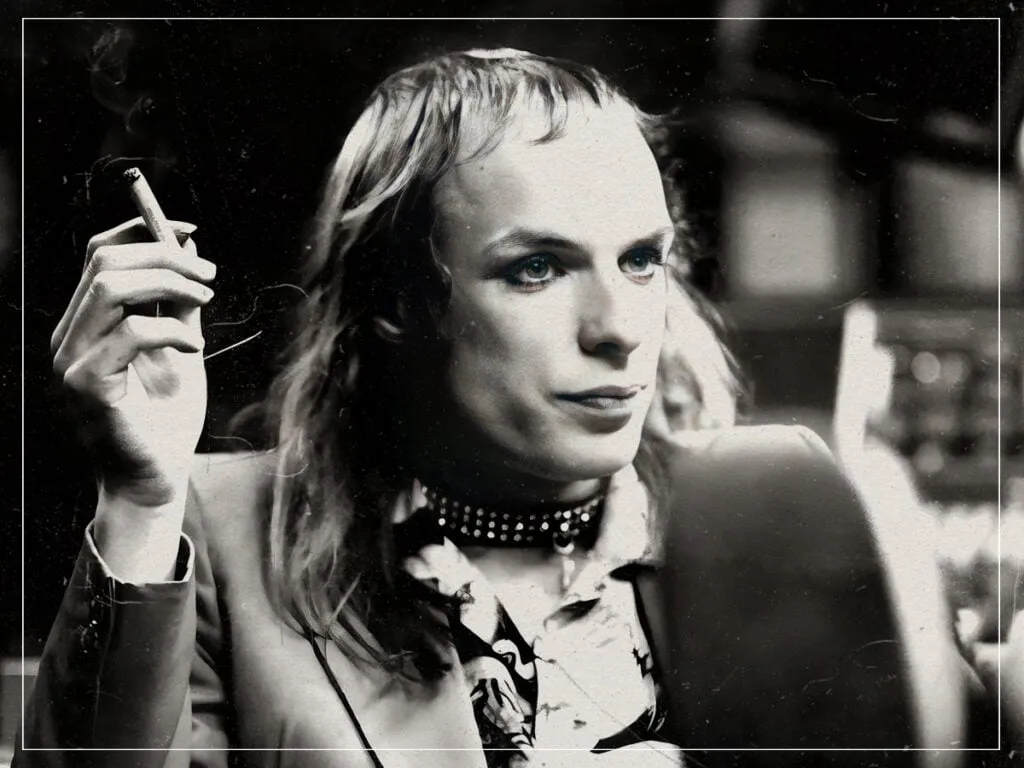
Brian Eno is a master of sound, possessing an innate ability to infuse any project with brilliance. As a producer, he has been brought into the studio of countless artists throughout his career, crafting sonic landscapes that are consistently masterful.
His legacy is etched into the history of alternative and popular music. He collaborated with visionary acts like Talking Heads on albums such as Fear of Music and Remain in Light, shaped David Bowie’s iconic Berlin trilogy, and helped define Devo’s witty anthems like Q: Are We Not Men? A: We are Devo!. Across this diverse portfolio, Eno consistently fostered a musical adventurousness that he shared with his collaborators.
Yet, the nature of these collaborations reveals an interesting dynamic. While working with experimental groups allowed him to test his abilities to the maximum, his journey also required him to work alongside massive commercial successes, including artists like U2 and Coldplay. This shift necessarily introduced a constraint, steering some projects toward a greater commercial appeal rather than pure, unfettered experimentation.
This tension between artistic pursuit and market demand is clearly reflected in Eno’s own creative pursuits. His solo work, often characterized by ambient records and explorations of tape loops, demonstrates a deep interest in sound that lies outside the mainstream. It is understandable that a mind focused on avant-garde sound would find straightforward pop records less rewarding creatively.
In a reflective moment, Eno openly admitted his stance on the music industry. During an interview with Musician Magazine in 1981, he revealed a profound disinterest in rock music generally, stating that he was “pretty sick of rock music, pretty sick of anything in that sphere.”
He acknowledged the thrill of the process itself, noting that while he may not enjoy the final product, he loves the act of making it. “I find it thrilling to make, but I know that once I make it I’m never going to listen to it again,” he noted.
Despite this preference, Eno found a way to balance his passion and his profession. He understood that sometimes, prioritizing what pays the bills is a necessary reality. Rather than being constrained by commercial expectations, he made sure that while working on mainstream projects, he could still apply his energy and studio mastery to ensure that the other acts benefited from the quality of his production.
Ultimately, Brian Eno’s career is a fascinating study in balancing the avant-garde with the commercial, proving that true artistic genius can thrive even when navigating the demands of the marketplace.
Buy on Amazon
Credit
