Boris Karloff impression became the biggest Halloween hit
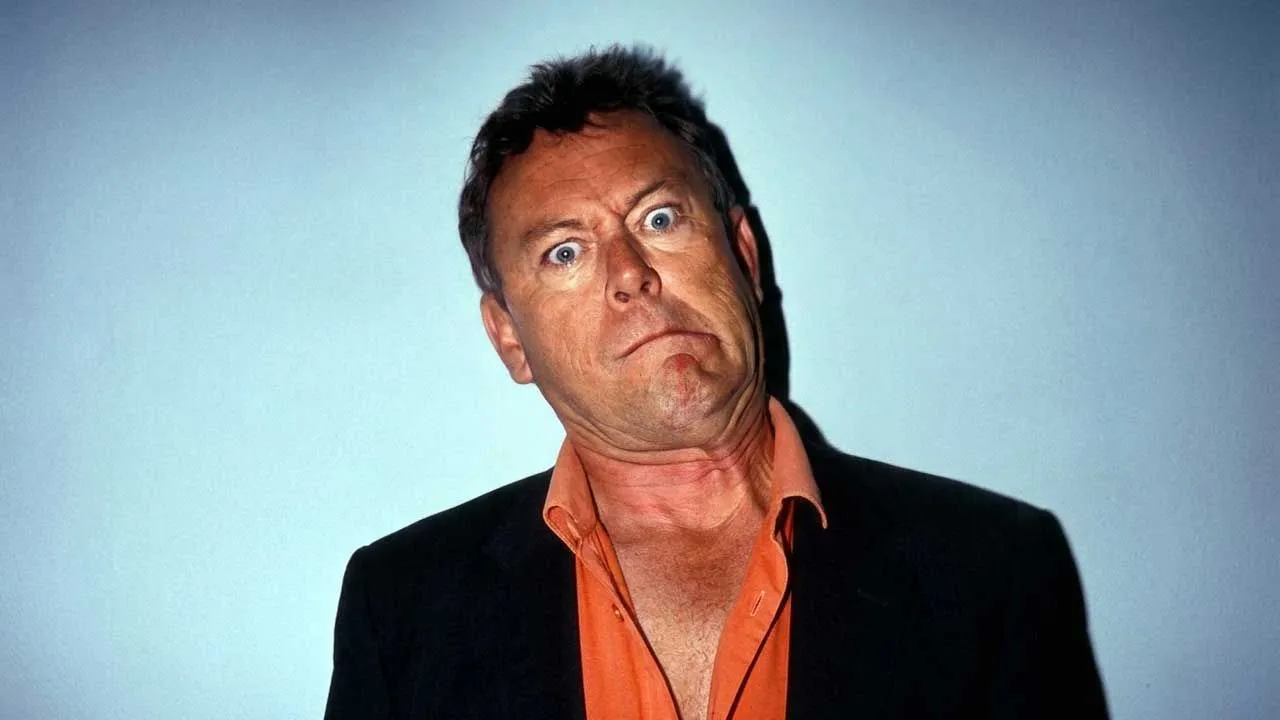
Every October, the coffin lid of The Monster Mash creaks open, ushering in a parade of monsters and a truly unforgettable, slightly morbid dance party. This novelty song, born from a seemingly random idea, didn’t just mark a seasonal trend; it became a fixture of pop culture, selling over four million copies and remaining the most popular Halloween tune of all time for sixty years.
The true story behind this enduring hit belongs to Bobby ‘Boris’ Pickett, a man whose career trajectory was as delightfully bizarre as the music he created. Pickett himself often recounted that his foray into music was a complete fluke; he had initially aimed to be an actor, developing a passion for horror films and celebrity impersonations, mastering the roles of figures like Bela Lugosi and Boris Karloff. Yet, the spotlight eventually led him to the recording studio.
As Pickett hustled for acting jobs, he found creative ways to make ends meet, often singing at local Italian restaurants with a group called The Cordials. It was during these casual performances that musical sparks ignited. One memorable session involved covering Little Darlin’ by The Diamonds, during which Pickett would insert his Karloff voice into a monologue. The audience loved the novelty, and a bandmate suggested they should lean into the theme, leading to the idea of a monster-themed song.
The genesis of The Monster Mash itself was a two-hour creative session where Pickett and his band member penned the lyrics. They experimented with concepts like Mashed Potato Time before settling on the title The Monster Mashed Potato. The idea was passed along to the eccentric music producer Gary Paxton, who was known for producing hits like Alley-Oop. Paxton immediately recognized the potential of the track, insisting on producing it.
The recording session at Gold Star Studios was a masterclass in whimsical sound design. While the song possessed a hard-swinging groove, the production was packed with theatrical flair. The backing band, The Crypt-Kicker Five, included the smooth piano of Leon Russell and the drumming of Mel Taylor. But the fun didn’t stop there: for the coffin opening, Paxton pulled a nail from a piece of wood, and for the bubbling cauldron, the group blew straws into glasses of water. Even the three female backing singers, The Blossoms, added their touch with Darlene Love, making the sound truly unique.
The Monster Mash was released in August 1962, quickly seizing the charts. While some felt the novelty was a passing whim, others found a deeper resonance. Pickett himself suggested that the song might have provided a needed distraction during the height of the Cuban missile crisis, offering a moment of lighthearted relief. Despite an initial ban by the BBC, the song found a footing in England and continued to chart across the Atlantic, cementing its status as a perennial favorite.
Beyond the initial explosion, the song’s charm proved timeless, inspiring countless covers from artists ranging from the Beach Boys to Bruce Springsteen and Alvin & The Chipmunks. It appeared on episodes of The Simpsons and was embraced by music icons worldwide. Pickett’s enduring champion, however, was the underground radio personality Dr. Demento, who recognized the song’s importance and championed Pickett’s discography.
Even as Bobby Pickett passed away in 2007, his creative spirit lived on. He remained an active voice, penning spin-off songs reflecting his interest in environmentalism and climate change, such as Monster Slash and Climate Mash, envisioning a zombie party thrown by fossil fuel giants. It turns out, that seemingly simple novelty song was more than just a hit—it was a cultural artifact that paid for Bobby Pickett’s rent for over forty years.
Buy on Amazon
Credit
