Bob Dylan writes “I just got carried away” with Sara Lownds
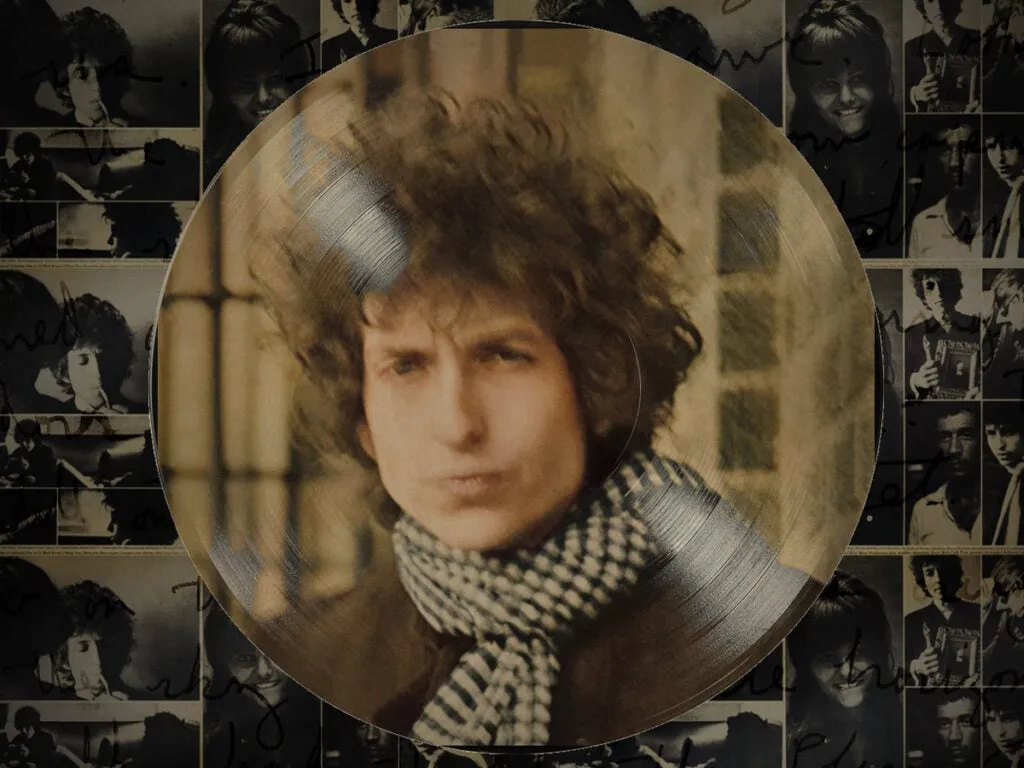
In the tapestry of Bob Dylan’s monumental work, some songs emerge not just from melody and rhyme, but from the very crucible of intense personal experience. One such piece is the epic track Sad-Eyed Lady of the Lowlands, a sprawling ode that captures the mystery and allure of Dylan’s then-wife, Sara Lownds.
The lyrics are steeped in rich metaphor, painting portraits of a woman who is both ethereal and irresistible. Dylan’s voice drifts through verses that speak of “flesh like silk, and your face like glass,” weaving together images of her beauty with the vast, irresistible landscapes she encounters. It is a lyrical journey that perfectly embodies the complicated, intoxicating nature of a deep, personal connection.
The genesis of the song is as fascinating as the song itself. Dylan recalled that the idea started as a small seed, but soon, he found himself completely swept away. During the sessions for the Blonde on Blonde album, he simply couldn’t stop writing. He got carried away, allowing the raw emotions of his relationship to pour onto the page.
The physical act of creation took place in a uniquely relaxed atmosphere. After a period of seeking inspiration, Dylan gathered his band in Nashville, Tennessee, shifting their focus from New York. On the night after Valentine’s Day, February 15th, 1966, he set aside time to craft the lyrics. While the musicians settled into ping-pong and conversation, Dylan sat at the piano, writing all night long, sometimes with dark glasses on, lost in the vision.
When the writing was complete, the recording session unfolded with a kind of joyful, chaotic energy. Minutes later, the band began to wonder where the song should go next, a testament to the song’s epic scale. The process of capturing the track was itself an experience, resulting in four takes, all rich with nuance and some minor lyrical changes.
The resulting track became more than just a song; it was a profound reflection. Critics noted its staggering impact, with observers marveling at its ability to conjure dreams and riddles. One review captured this sentiment perfectly, suggesting the music could transport the listener: “This song can make you leave home, work on the railroad, or marry a gypsy. I think of a drifter around a fire with a tin cup under a bridge, remembering a woman’s hair. The song is a dream, a riddle and a prayer.”
Ultimately, Sad-Eyed Lady of the Lowlands stands as a testament to the power of artistic devotion—a whispered history of love transformed into an unforgettable, enigmatic masterpiece.
Buy on Amazon
Credit