Billy Joel swipes at Elvis Presley 1982
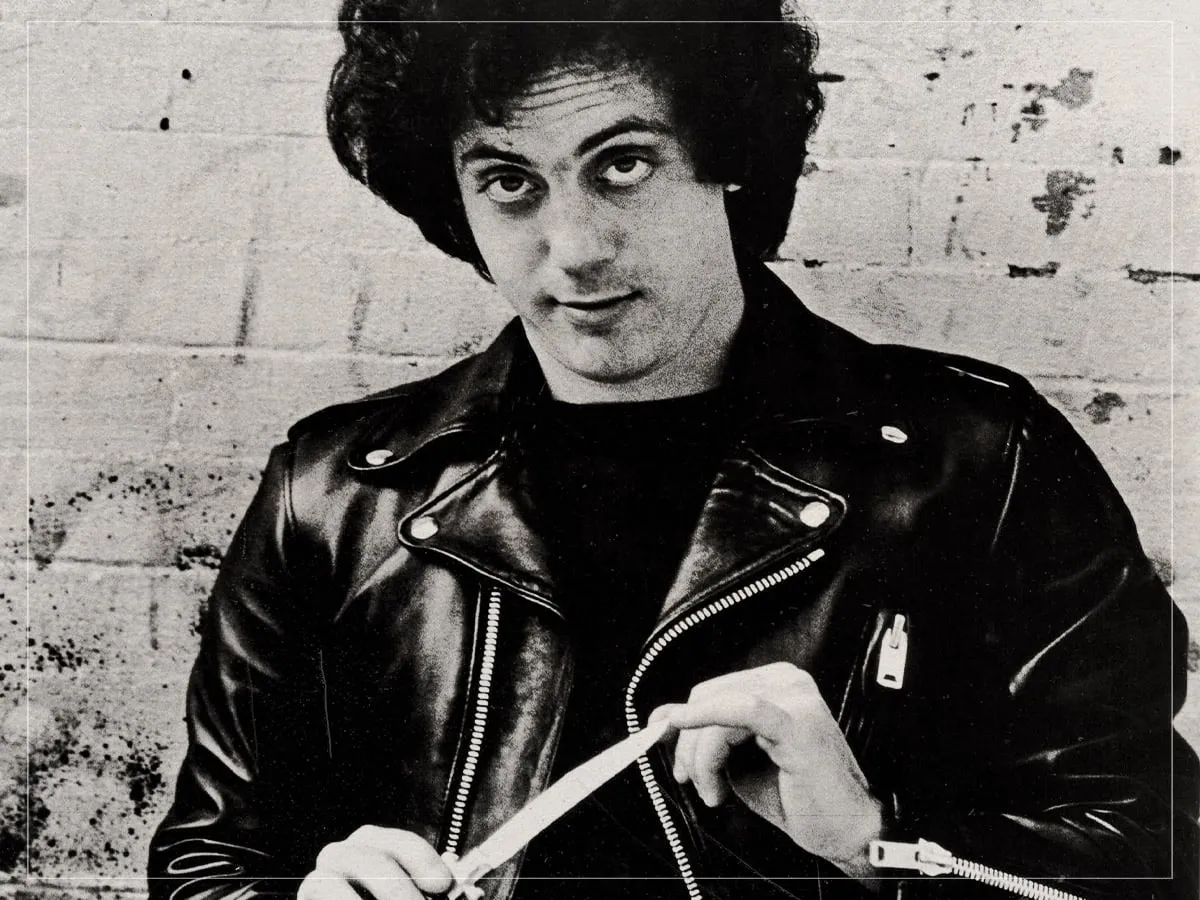
The pull of celebrity often begins in childhood, but for Billy Joel, the gravitational force of Elvis Presley was something far deeper than simple admiration. From a young age, the King of Rock and Roll was not just a musical figure; he was an impossible, aspirational hero, a figure sculpted by the myth of perfection.
Joel viewed Presley as an almost mythological figure—a superstar who seemed to have emerged from a laboratory, perfect in appearance and voice. In his formative years, the idea of becoming a successful musician felt out of reach, overshadowed by the perceived aesthetic benchmark set by Elvis.
When other musical titans like The Beatles began to emerge, Joel felt a sense of fascination, but the deep-seated adoration for Elvis remained. He noted a striking difference: while The Beatles looked like regular people, Joel found that their look lacked the iconic quality he associated with Presley. This contrast sparked a realization: if the ideal star was unattainable, perhaps the path to creativity lay in finding one’s own unique voice.
This fascination wasn’t just theoretical. Joel’s first live performance, a childish endeavor in elementary school, planted a powerful seed. Mimicking Elvis, singing “Hound Dog” while jiggling his hips, became his first public foray into performance. This experience, however embarrassing in hindsight, was the genesis of his musical journey, paving the way for his eventual writing of masterpieces like Piano Man.
Years later, as the spotlight shifted, Joel developed a more complex, mature view of the icon he once worshipped. During interviews, he acknowledged Elvis’s greatness but also lamented the fading of the star’s relevance. He observed how the narrative around the celebrity shifted from an ageless, potent figure to a commercial commodity, ultimately becoming a nostalgic relic.
This evolution led Joel to create a tribute that reflected this change. His song, Elvis Presley Boulevard, mourns the decline of a hero, reflecting on the faded glory and the commodification of a bygone era. The song, born from this reflection, turned a spotlight not just on Elvis, but on the complex, often superficial nature of celebrity culture itself.
Through his reflections, Joel captured the bittersweet truth of celebrity—how an idol can transition from an ageless star to a marketable memory, and how we grapple with the legacy of those who defined our youth.
Buy on Amazon
Credit