Billy Joel & Rick Rubin’s missed collaboration “Didn’t appeal to me”
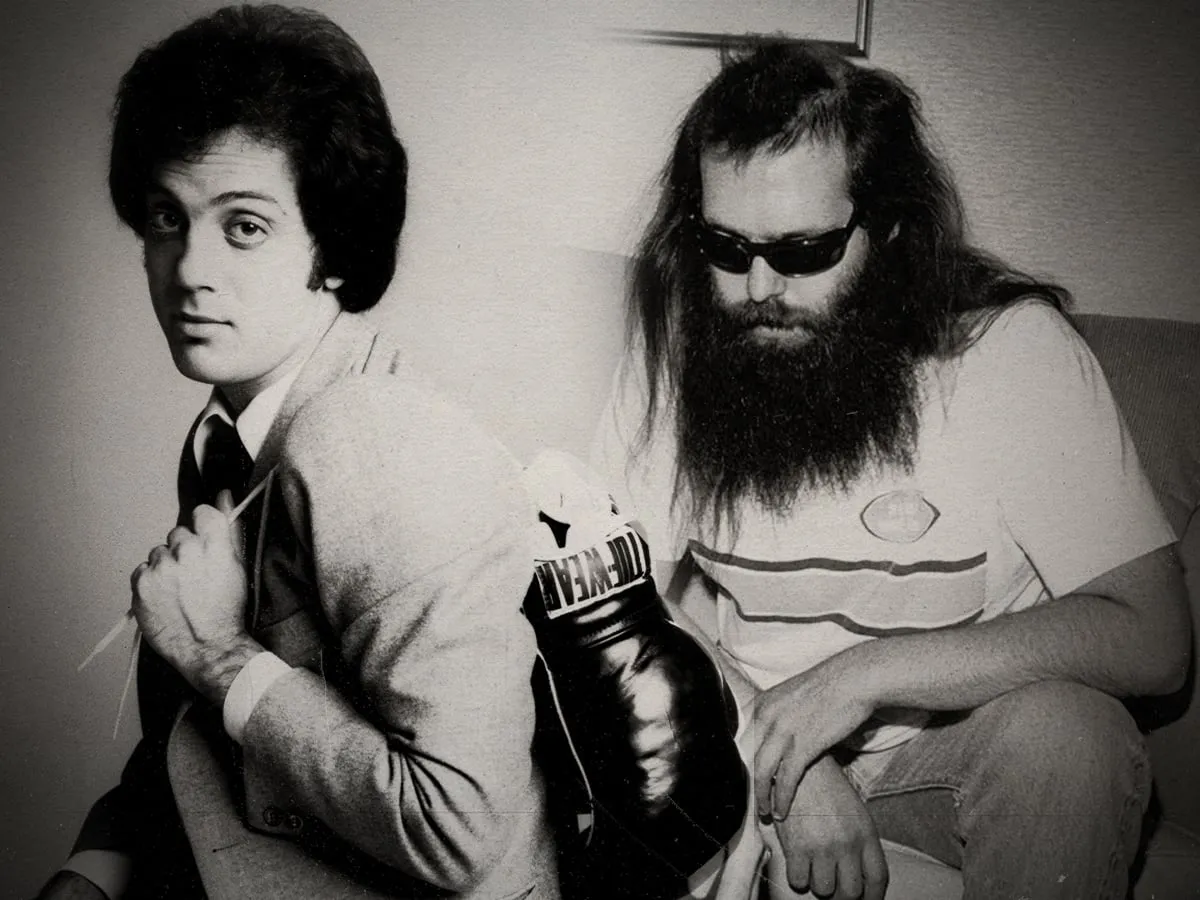
Billy Joel has always approached music with a certain delicate sense of self-possession, rarely feeling the need to dive headfirst into the pop landscape. For him, the primary goal has always been crafting the best music he could, maintaining an integrity that suggests knowing when to step back and bow out gracefully.
This careful approach has meant that Joel happily avoided the temptation to simply rehash his established catalogue. Instead of falling back into familiar formulas, his musical explorations have consistently been one-off experiments. He didn’t bother trying to offer everyone another version of hits like Uptown Girl or Just the Way You Are, finding that revisiting those melodies felt less authentic after years spent away from the fold.
When Joel did venture into new territory, the direction often required a specific push. He didn’t want to be an artist seeking a paycheck; he sought a creative challenge. This search for a new phase was ultimately guided by those who understood the kind of passion that still burns in an artist, reminding him of the hunger he felt when he was younger.
For an artist needing that specific kind of creative push, collaboration with a figure like Rick Rubin made a compelling sense. Rubin had a knack for unlocking raw emotion, and if he could manage that magic for artists like Johnny Cash, it seemed logical that he could apply it to Joel’s work on The Piano Man.
However, the eventual collaboration didn’t unfold exactly as anticipated. As they worked together, a fundamental difference emerged regarding the direction of the art. Joel felt that they hadn’t quite reached the necessary common ground. He expressed that the proposed direction didn’t resonate with his artistic core, noting that the focus on bringing him back to his roots, whatever that meant, simply didn’t appeal to him.
This tension led Joel to explore an alternative path. Since he had spent decades refining his songs live, he found a more authentic way to reconnect with his roots by reinterpreting the material of other masters. Rather than focusing solely on his own catalogue, he began looking at reinterpreting songs by artists like Led Zeppelin and The Beatles.
This approach allowed him to access the emotional landscape of his musical history in a fresh way. Even if the producer hadn’t fully grasped Joel’s vision, this path offered him the closest experience to truly going back to where his music began: making music he loved as a kid.
Buy on Amazon
Credit