Beatles visit USA 1964 Mingus unimpressed
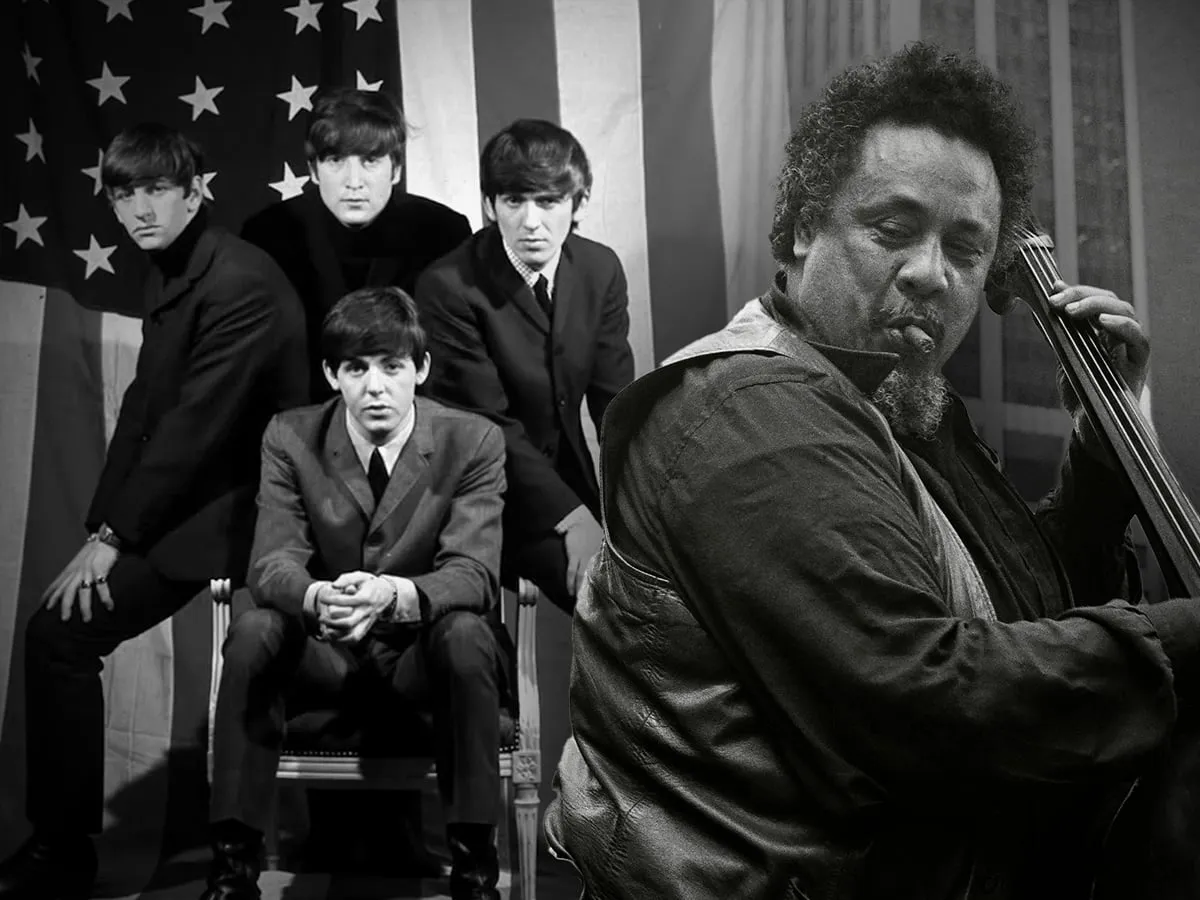
The meteoric rise of The Beatles in the 1960s was a phenomenon of unparalleled global reach, a wave of musical innovation that left an indelible mark on history. Yet, for some observers, this dazzling success was met not with adoration, but with a dose of contrarian skepticism.
One of the most compelling figures who offered this critical perspective was Charles Mingus, the legendary jazz bassist and improvisation master. While Mingus maintained a deep appreciation for the blues and American musical traditions, he harbored a genuine, almost palpable, gripe against the Fab Four.
Mingus existed on a different musical spectrum than the pop revolution of the era. While he enjoyed the grooviness of old-school American blues, it was difficult to imagine the master of jazz twisting and shouting something like ‘I Want To Hold Your Hand’.
When The Beatles first arrived in the United States in 1964, ushering in the age of Beatlemania, Mingus was among the few who remained surprisingly unimpressed by the pop spectacle. His reservations stemmed from a profound observation about the band’s sonic lineage.
In an interview published in the 2013 book Mingus Speaks, the jazz legend expressed a powerful sentiment regarding the band’s origins. He voiced a frustration that The Beatles had drawn the vast majority of their sonic influences from Black America.
Mingus summarized his dissatisfaction with a rather sharp critique: “For the Beatles to be able to come here and take all the millions of dollars away from this country by copying our own music and composers, selling it back to ’em and nobody even suing ’em yet. They came and took our own music and sold it to this country and took the money out and laughed.”
It is undeniable that The Beatles owed a significant debt to American musical foundations. They covered artists like Chuck Berry and Little Richard and absorbed heavily from blues and R&B, even incorporating material from Motown Records into their 1963 With The Beatles LP. This reality lends an element of absurdity to their status as the biggest band in America, achieved largely through the repackaging of inherently American influences.
However, the issue of influence is far more complex than simple theft. As the broader music world reflects, every non-American rock band has, to some extent, borrowed from and reshaped the sounds of the States, rooted in the foundation of Black American blues. The key difference, Mingus suggested, lay in acknowledgment.
The Beatles, at least, had the decency to admit these foundational influences. In contrast, some contemporaries, such as The Rolling Stones, took elements, like gospel tracks, and presented them as entirely original work. This difference in transparency seemed to fuel Mingus’s lingering resentment, a feeling that persisted long after the band had moved on in 1970.
Buy on Amazon
Credit