Bay of Blood the 70s horror film that paved the way for slashers
Before the blood-soaked masked killers and jump scares of the slasher era, horror cinema had a wildly different, much more stylish lineage. The story begins in 1963 with Mario Bava’s groundbreaking giallo film, The Girl Who Knew Too Much, a cinematic phenomenon that would forever redefine how we view suspense and murder.
While mainstream Hollywood was adhering to the strictures of the Hays Code, the giallo genre offered something far more seductive: stylish murder mysteries filled with glamour, masked assassins, and sensual exploitation. This approach laid the foundational groundwork for the eventual explosive rise of horror, introducing elements of explicit sexuality and violence that would later become genre staples.
The influence of these precursors was already palpable. Films like Alfred Hitchcock’s Psycho and Michael Powell’s Peeping Tom, alongside Bava’s own Black Sunday, released in the 1960s, demonstrated that audiences were hungry for more explicit depictions of violence and sexuality. This shift created a fertile ground for darker storytelling.
As the 1970s dawned, the influence of Italian filmmakers, including Dario Argento, Lucio Fulci, and Sergio Martino, further cemented the genre’s artistic power. This wave paved the way for the emergence of the slasher film in America, with blockbusters like Black Christmas, The Texas Chain Saw Massacre, and Halloween defining the decade.
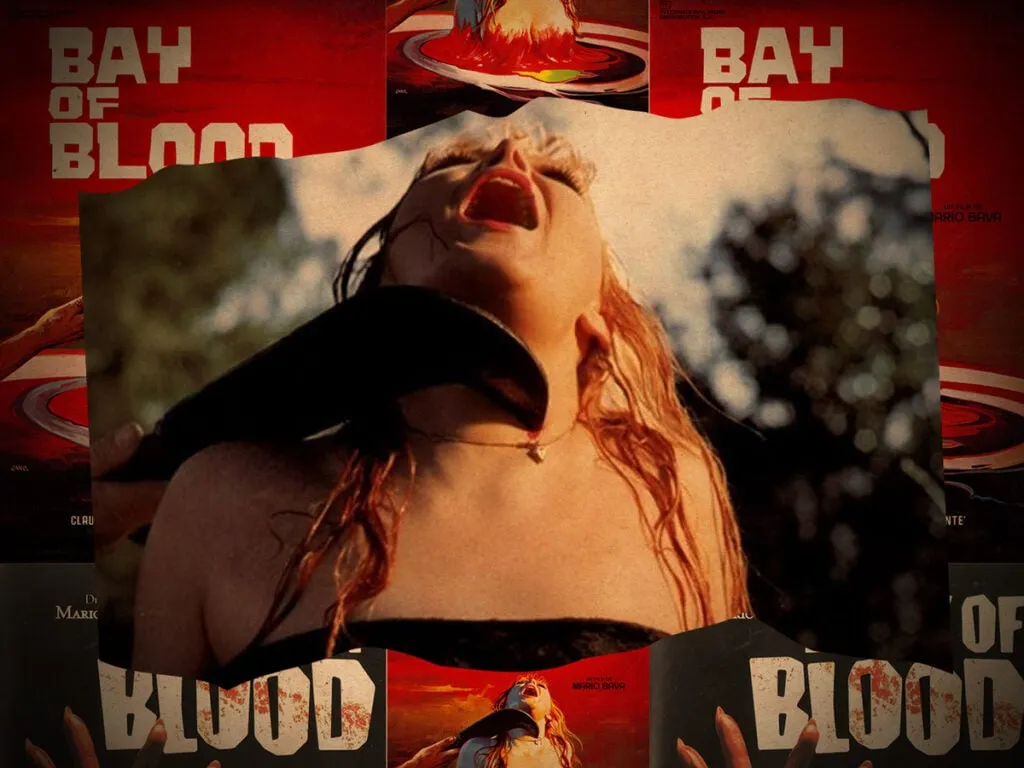
However, to truly understand the blueprint for the modern slasher, one must look deeper into the often-overlooked masterpieces of the era. Mario Bava’s 1971 feature, Bay of Blood, is a prime example of this foundational influence.
Bay of Blood is a gritty, 90-minute thriller packed with brutal kills, unsettling nudity, and a genuinely shocking final twist. The film masterfully juxtaposes tenderness with extreme violence; it begins with a surprisingly emotive scene of an elderly countess grappling with aging, only to reveal that her husband is about to murder her. This contrast sets an unnerving tone that perfectly foreshadows the chaos to come.
The narrative pivots into sheer brutality when unknown assailants enter the scene. The film introduces a group of younger characters who engage in a reckless display of sexuality and savagery. The climax descends into countless explicit murders—from axe attacks to simultaneous killings—that effectively establish the core rules of the slasher genre: survival depends on avoiding the cruel hand of youth.
Moreover, Bay of Blood introduced visual techniques that became iconic. The use of point-of-view shots, where the audience experiences the violence from the killer’s perspective—a technique popularized in films like Halloween—added a psychological layer to the terror. While not the sole pioneer, this perspective proved incredibly effective in magnifying the tension.
Ultimately, the film’s enduring impact lies in its thematic exploration of power and youth. It powerfully illustrates how the ruthless energy of the younger generation triumphs over the fragile sensibilities of the older ones, all while flaunting their naked bodies in the wake of carnage. Though Bay of Blood was once scrutinized during the era of ‘video nasties’, its shocking content is viewed today as a necessary, if rough, step in the evolution of horror cinema. It is undeniable that this Italian gem was a crucial, often overlooked, stepping stone for the bloodiest cinematic legacy we know today.
Buy on Amazon
Credit