Anya Taylor-Joy avoids cannibal method actor role
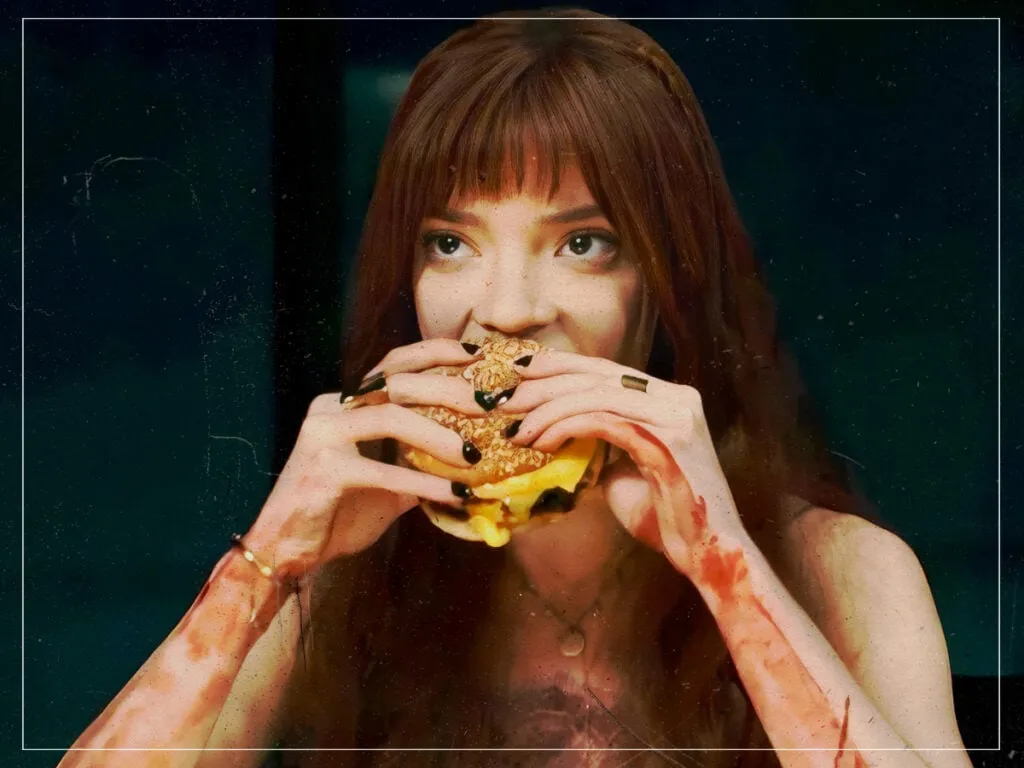
The practice of method acting has long been shrouded in a peculiar reputation, often viewed as an intense, if occasionally self-indulgent, pursuit. But in recent years, established practitioners are increasingly finding themselves questioning the dogma, prompting a much-needed conversation about the boundaries of performance and the psychology of the craft.
This reevaluation is perhaps best exemplified by stars who are challenging traditional conventions. For instance, actress Anya Taylor-Joy has openly voiced skepticism regarding method acting, suggesting that its tolerance seems heavily skewed by gender. She has argued that the intensity of method work is often afforded more grace and understanding when performed by male actors, implying that female performers are sometimes unfairly scrutinized.
Taylor-Joy’s perspective moves beyond mere preference; she frames acting itself as a complex mental state. She describes the immersive nature of deep character work as a form of controlled psychosis, pointing out that sustaining such a profound emotional transformation for extended periods can lead to significant emotional and mental strain for the performer.
Beyond the internal experience of the actor, Taylor-Joy also addressed the practical implications of method work on the collaborative environment. She suggested that the demand to remain rigorously in character—or for cast and crew to constantly refer to a persona—can become a heavy burden. For her, the responsibility lies with the production team to support their performers, rather than insisting on an often self-serving level of immersion. If the pursuit of an extreme role turns into becoming an asshole, the experience ceases to be productive.
This viewpoint emerged through years of working within the Hollywood ecosystem, observing how intense methodologies intersect with the demands of film production. It is this context that informs her perspective on major cinematic endeavors.
A prime example of this dynamic can be seen in the production of the thriller Split. When filming this notorious movie, Taylor-Joy expressed a clear desire to avoid working with actors dedicated to extreme method work. This preference was underscored by the unexpected casting choices that unfolded during production.
When the original method actor unexpectedly stepped away just weeks before filming began, forcing a change in the lineup, Taylor-Joy felt a distinct sense of relief. The subsequent casting of James McAvoy, who brought a different, more grounded approach, proved to be a welcome shift. This decision highlighted a point: sometimes, the most compelling cinematic experiences come from trusting instincts over rigid, potentially limiting, dramatic mandates.
The dynamic between the actors and the creative team often depends on how boundaries are respected. Whether pursuing an intense role or simply finding a safe, collaborative space, the conversation around method acting reminds us that the pursuit of truth in performance must always be balanced with the well-being and professionalism of everyone involved.
Buy on Amazon
Credit