Angine de Poitrine faces the hardest album yet
The Space Men Who Stole the Show: How Angine de Poitrine Became a Viral Phenomenon
In September 2026, the musical world got a cosmic surprise when the Montreal-based duo Angine de Poitrine made their long-awaited debut in New York City at Le Poisson Rouge. The atmosphere was electric, and everyone in attendance seemed to know they were witnessing something truly rare—a live performance that felt like catching lightning in a bottle.
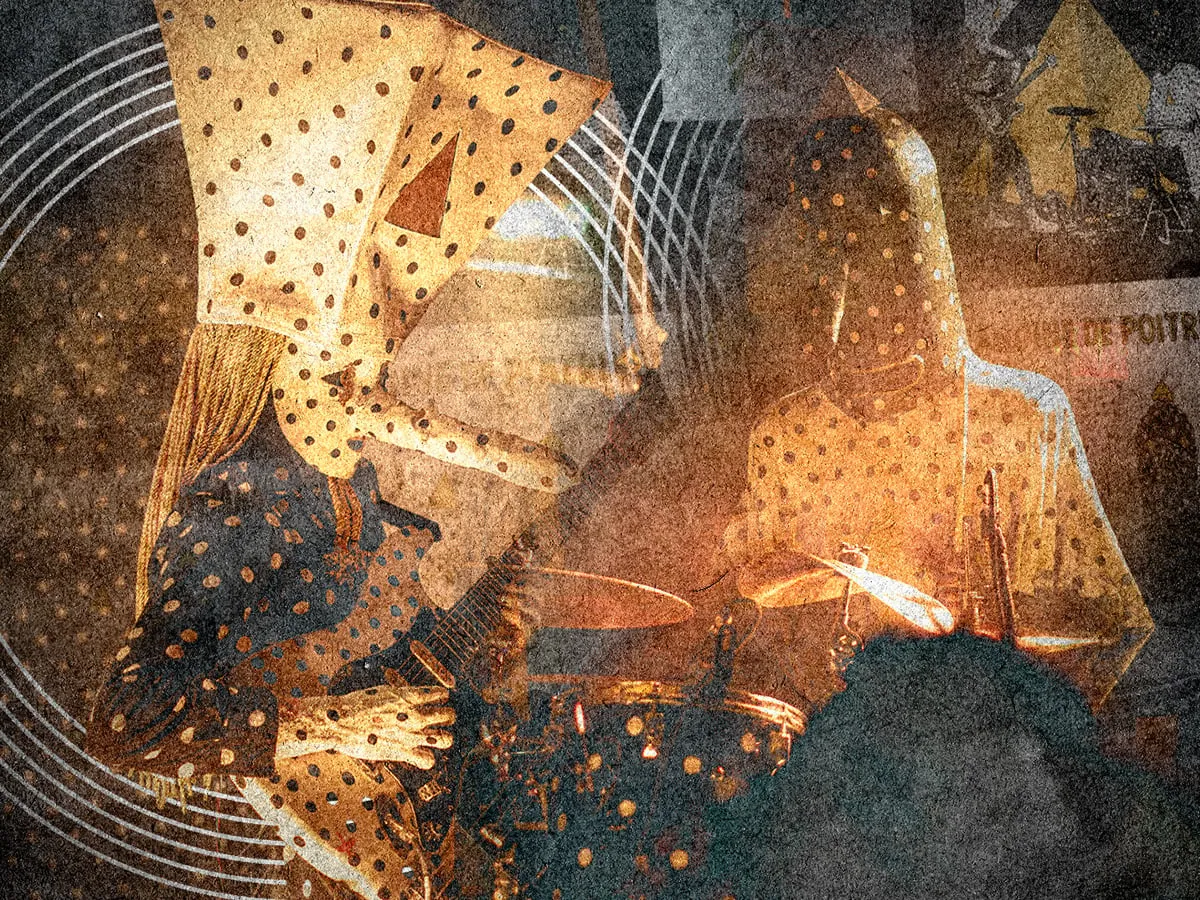
The timing of the gig was itself a statement. It occurred just before the masked and polka-dotted pairing of Khn (guitar) and Klek (drums) exploded into international viral fame. Seeing Angine de Poitrine in a relatively intimate club felt less like a standard concert and more like a privileged peek behind the curtain of an emerging, delightfully weird act.
While the band’s music remains a curious blend of French-Canadian math-rock, the true magic lay in their presentation. They are the space men, and their aesthetic perfectly captured the fleeting, often absurd nature of viral music fame. This moment offers a fascinating lens through which to examine the nature of novelty in art.
It is easy to view this success through a historical prism. Throughout musical history, artists who embrace the bizarre have often found unexpected resonance. From jazz bandleader Sun Ra, who claimed emissary status from Saturn, to heavy metal group Gwar, who presented themselves as Antarctic barbarian conquerors, the history of music is filled with fascinating, otherworldly characters.
Similarly, groups like The Residents, known for their giant eyeball costumes and mysterious anonymity, and even Clown Core, the anonymous precursors to Angine de Poitrine, have built cult followings through sheer, unadulterated strangeness. Angine de Poitrine joined this lineage, proving that theatrical absurdity can translate into genuine cultural impact.
Yet, Angine de Poitrine’s journey is distinct. While many of their predecessors built mystique, the duo managed to achieve a stunning crossover success that few avant-garde artists manage. Their first album since their online explosion, Vol II, rocketed to the top 20 in the UK charts and the top 50 in America, driven by pre-orders exceeding 200,000. This level of mainstream appeal is unfathomable for a band defined by math-rock complexity and a complete lack of traditional lyrical content.
This commercial triumph was not just about sales; it was about recognition. The band has earned serious accolades in their homeland, securing both the Polaris Album Prize and the Polaris Song Prize in 2026 for their excellence in Canadian music. This success proves that even the most abstract, Dada-esque art can find a massive audience.
The ongoing debate shifts to where the duo will steer their ship next. Will they continue to explore the boundaries of performance art and anonymity, or will they embrace the mainstream? The question hangs in the air as they prepare for an ambitious 2027 world tour. Will their next album be a return to pure, unbridled weirdness, or a calculated move toward popular convention?
Angine de Poitrine reminds us that the most unpredictable artists are often the most magnetic. Whether they choose to pilot their ship further into the realm of pop, or remain committed to their unique vision, their trajectory confirms that the future of music is wonderfully, delightfully strange.
Buy on Amazon
Credit