Amy Adams exposes Hollywood’s double standard for male artists
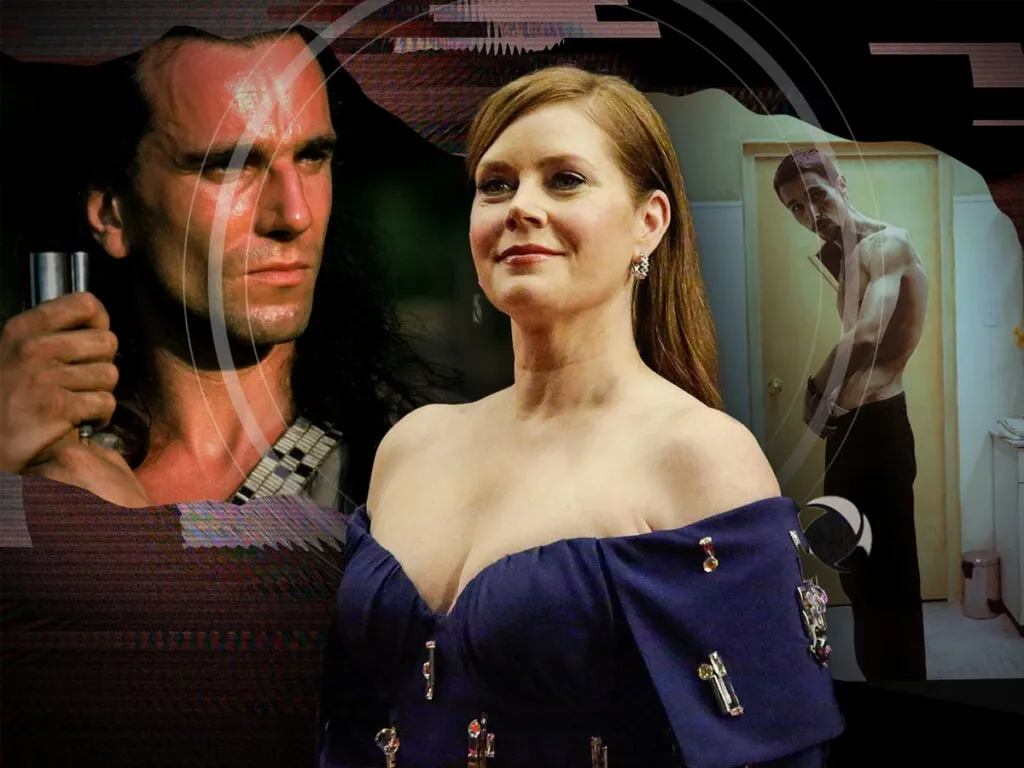
The world of Hollywood has long been captivated by the intensity of method acting—a practice where actors seek to fully inhabit a role, often at great personal cost. While this dedication has frequently yielded masterpieces, the pursuit of true character immersion has always been fraught with ethical and personal complexities.
At the pinnacle of this intense dedication stands Daniel Day-Lewis, whose career is a testament to channeling himself into his characters so completely that the line between actor and persona blurs. From forcing himself into the mindset of a disabled character in My Left Foot to spending months in the wilderness to prepare for The Last of the Mohicans, Day-Lewis exemplifies the commitment required to achieve transformative performances. Yet, the act of carrying a character into one’s own life raises serious questions about the boundaries of artistic self-indulgence.
When extreme emotional or physical states are required for a role, the line between artistic pursuit and personal well-being becomes incredibly blurred. While some actors, like Day-Lewis, seem to operate with a level of self-sacrifice that Hollywood often applauds, the ethical ledger shifts when considering the impact on those around them. Taking on drastic weight changes or deep emotional suffering, for instance, is one thing; maintaining that intensity while actively causing distress to colleagues or loved ones is another matter entirely.
This dynamic is often framed through a lens of gender. Female actors frequently navigate this environment under a different set of expectations. As Amy Adams has keenly observed, the intensity that drives method acting can be viewed through the lens of gender politics, creating a unique set of pressures. Adams notes a constant awareness of the experiences of those on set, which allows her to manage the emotional intensity, comparing the experience to catching a “virus” that must be controlled.
This awareness highlights a pervasive double standard in the industry. Male stars like Day-Lewis or Robert De Niro are often lauded for their ability to push emotional boundaries, even when sacrificing their sanity. Conversely, women are often judged for the same level of intensity, frequently being labeled as “divas” or “selfish” rather than “geniuses” when they pursue the same level of emotional depth.
This imbalance is palpable. While male actors are often excused for showing personal extremes in their pursuit of art, female actors face scrutiny regarding their personal lives and behavior. Gillian Flynn, who penned Sharp Objects and starred in Adams’ film, echoed this sentiment, noting that men are often “very showy about the incredible lengths they go to.”
Amy Adams argues that the key is differentiation. To manage the self-serving nature of intense acting, she emphasizes the importance of grounding herself in reality. She finds relief in domesticity, stating that “doing something domesticated always helps to reground myself and get me back in my own reality.” For Adams, separating the character from the self is crucial; letting the character experience trauma, like Camille in Sharp Objects, is one thing, but allowing that pain to spill over onto personal relationships is another.
Ultimately, the pursuit of artistic excellence must be tempered by basic human decency. The power structures within Hollywood dictate that while male actors seem to have a larger latitude to suffer for their art, female actors must actively manage the consequences of that suffering to avoid being unfairly penalized. The responsibility lies in ensuring that the pursuit of genius does not come at the expense of others.
Buy on Amazon
Credit