AC/DC drama and the year’s best-selling song
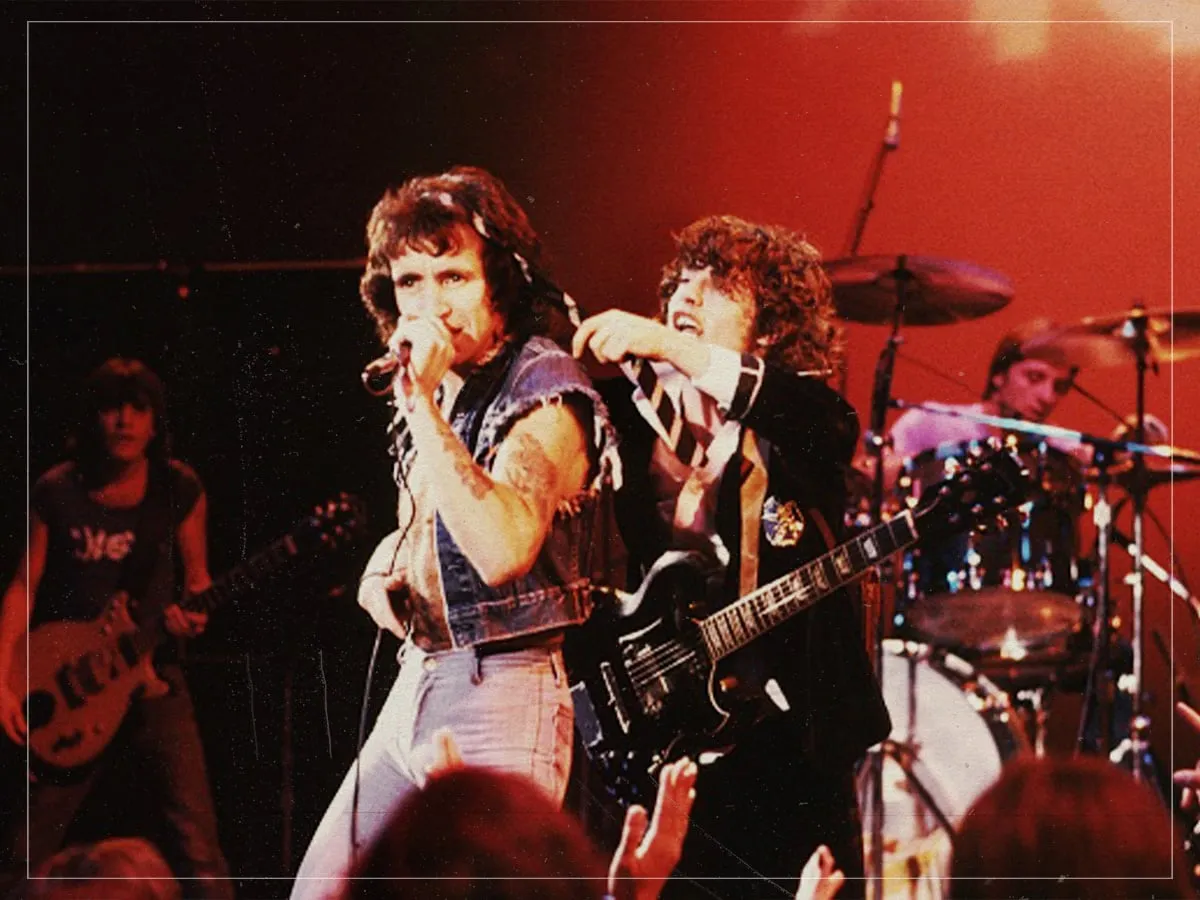
When you look at the history of rock and roll, few stories are as volatile or compelling as the journey of AC/DC. From the very beginning, the dynamic within the band was anything but placid. It was a volatile mix of ego, fire, passion, and an intense, undeniable brotherhood. These brothers were driven by a singular, relentless goal: to become the biggest rock force the world had ever seen.
While the internal energy of the group was legendary, the external pressures they faced were equally intense. As they built a storming reputation on the UK scene, the music industry sought to control their narrative, intent on wiping the slate clean. This external conflict added a layer of complexity to what was already an explosive creative environment.
The foundation of the band, built on unwavering loyalty, proved to be the strongest force in their arsenal. Through the toughest moments of their heyday, the bond between the Young brothers remained remarkably solid, serving as an anchor even when the surrounding world tried to pull them apart.
The shift came when the production landscape changed. Initially, the band worked with familiar partners, including George Young and Harry Vanda. When the label decided on a fresh direction, the internal drama intensified, leading to changes in the creative team.
The initial replacement, Eddie Kramer, struggled to find the right footing. Amid the lingering guilt over perceived betrayals, the Youngs worried they were missing a crucial element. It was only when Mutt Lange stepped in that the band found the necessary catalyst.
Lange brought a unique outlook and an ironclad work ethic that injected the exact kind of raw energy the group needed. Instead of weeks of deliberation, Lange demanded months of focused creation, allowing AC/DC to channel their raw frustration into something monumental.
This transformative period culminated in the release of Highway to Hell. The album was more blistering, searing, and potent than ever before. It hit the US charts with a No. 17 peak, capitalizing on the dedicated underground following they had cultivated.
The title track itself perfectly encapsulated the mood: a palpable mix of anger and wrath directed at past injustices. Yet, paradoxically, it was this very fire that propelled them to new heights. AC/DC proved that their brotherly bonds were not a weakness but a strength, allowing them to thrive in the crucible of rock and roll greatness. They didn’t just survive the turmoil; they harnessed it to forge an indelible legacy.
Buy on Amazon
Credit