A hit saved Tom Jones’s career in 1987
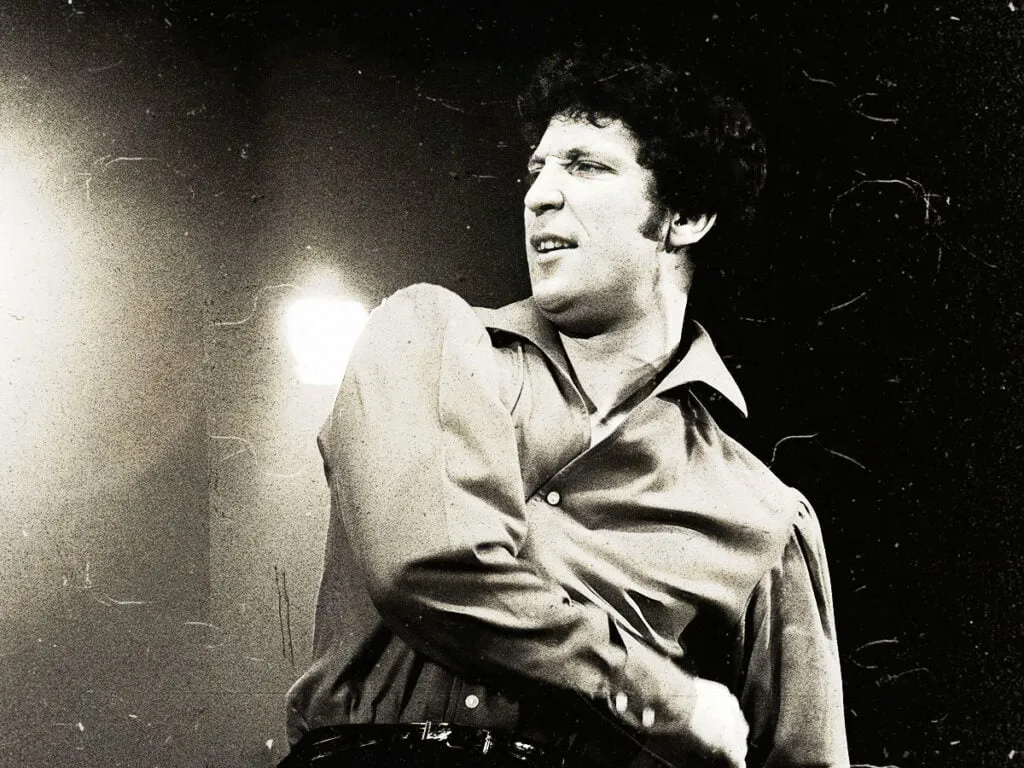
In the swinging sixties, as The Beatles dominated the airwaves, a truly remarkable voice emerged from Wales to command attention across the Atlantic: Tom Jones. While he may not have penned the hits himself, his unique, resonant baritone soared, setting the stage for a career built on timeless vocal prowess.
Jones experienced a golden era in the music industry. Though his initial solo effort, Chills and Fever, didn’t immediately top the charts, his subsequent release, It’s Not Unusual, became an instant phenomenon, achieving number one in the UK and breaking into the top ten in the US. This single, released in 1964, proved to be a career-defining triumph, reaching its peak success the following year.
With a voice of that caliber, Jones was fortunate to attract some of the decade’s most celebrated songwriters. He contributed vocals to major film themes, including the James Bond movie Thunderball. Furthermore, he lent his voice to Woody Allen’s What’s New Pussycat?, a track penned by Burt Bacharach and Hal David, which became one of his most iconic recordings.
The momentum continued into the mid-sixties with further global hits. In 1966, Jones delivered the worldwide smash Green, Green Grass of Home by Claude ‘Curly’ Putman Jr., cementing his status as a global musical force. Later, immortal classics such as Delilah and She’s a Lady ensured his lasting legacy well into the 1970s.
However, like many established artists, Jones navigated a period of change. The late 1970s and 1980s ushered in seismic shifts in the music world, with the rise of punk, post-punk, and synth-pop. During this time, his hit streak softened, forcing Jones to explore new avenues, including acting, taking roles in films like Pleasure Cove in 1979 and Fantasy Island in 1984.
Seeking a fresh start, Jones even ventured into country music in the early 1980s, achieving nine top 40 singles in the US, though he struggled to reclaim the top spots in the UK or US. At a point, facing the challenges of the music industry and the lure of easy money, he found himself in a comfortable zone, contemplating a career built on past glories rather than current relevance.
The real renaissance, however, came through a daring pivot. Following the passing of his manager, Jones’ son, Mark, brought a renewed perspective, and the tide began to turn. In 1987, Jones embraced contemporary sounds by collaborating with the synth-pop group Art of Noise for a performance of Prince’s Kiss.
This collaboration was a revelation. What started as a session felt like a career-saving moment, proving that Jones could still connect with a new generation. The track became a significant hit, reaching number five in the UK and successfully charting in the US. Jones later recalled that this unexpected success opened doors, introducing him to a new audience that welcomed him with open arms.
Reflecting on this turnaround decades later, Jones noted that this experience proved that even when momentum stalls, a willingness to embrace new trends can propel an artist back to the forefront. Through sporadic hits like Sex Bomb in 1999, and maintaining his vibrant presence even at 86, Tom Jones has demonstrated that true artistry knows no age limit.
Buy on Amazon
Credit
