9 essential BB King albums you must hear
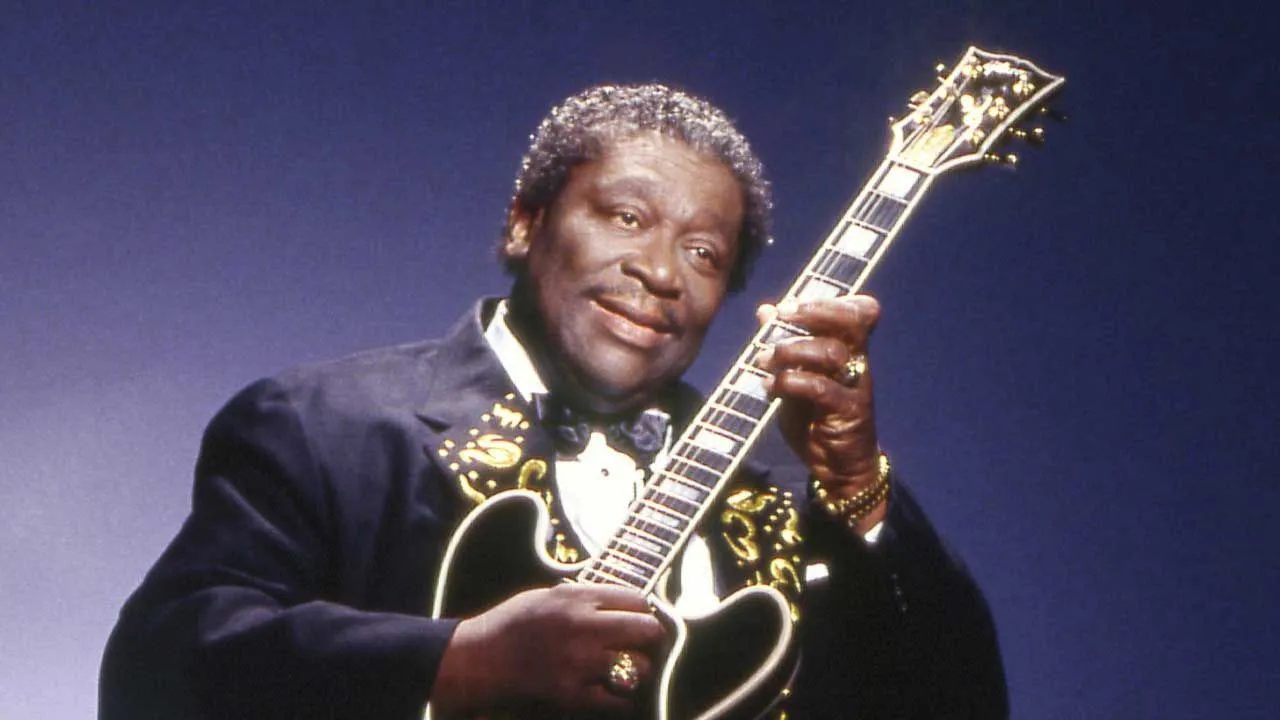
The King Who Wouldn’t Back Down: How B.B. King Mastered the Blues Revolution
Born Riley B. King in Mississippi, B.B. King wasn’t just a musician; he was the undisputed King of the Blues. Emerging from a life marked by brutal racism and extreme poverty, he carved out a legend that defied being written off by history. He navigated a treacherous path, emerging as an ambassador for a style of music that continues to command global attention.
From the start, King was a creative force. While his early work drew inspiration from giants like T-Bone Walker, he quickly established himself as a visionary, influencing a generation of musicians, including the influential group of white artists in London who included Peter Green, Mick Taylor, and Eric Clapton. Yet, King was always forging his own unique path, refusing to be merely a follower.
His foundational masterpiece, Live At The Regal, released in 1965, is a testament to his command over his audience. It was more than just a concert recording; it was an electric interaction where King turned his followers into participants. This record showcased a blues that wasn’t content to stay in the shadows, incorporating elements of jazz, funk, and soul, all while keeping the soulful roots firmly intact.
When the broader rock world was chasing psychedelic trends, B.B. King chose a sophisticated evolution. While contemporaries like Muddy Waters and Howlin’ Wolf were often told to chase the hippies with psychedelic shifts, King pursued something deeper. His 1969 album Completely Well, featuring tracks like The Thrill Is Gone, demonstrated a new maturity, augmenting classic blues with orchestral strings and refined complexity.
Despite his stature and wealth, King maintained a relentless work ethic, driven by the stark reality of survival. As he famously put it, the necessity of work outweighed comfort, ensuring a punishing touring schedule that kept his creative engine running.
This dedication to craft shone through across his entire career. Even as he released his studio work, such as Indianola Mississippi Seeds in 1970, he continued to deliver profound statements. This album, produced by Bill Szymczyk, revealed the brooding depth of his genius, featuring tracks like Chains And Things and You’re Still My Woman.
His early artistry was equally compelling. His 1956 debut, Singin’ The Blues, introduced the world to his signature vocal style—that trademark sweep from baritone to sweet falsetto, perfectly exemplified by the iconic track Sweet Little Angel. His guitar playing, evident on tracks like Everyday I Have The Blues, showed an economical yet fiery mastery that honored his roots while anticipating the future.
In his later years, King continued to push boundaries, culminating in his final studio record, One Kind Favor. This stripped-down offering was a masterclass in old-school blues, paying homage to figures like Lonnie Johnson, offering poignant reflections on life in classics such as My Love Is Down, Backwater Blues.
B.B. King’s legacy is not simply a collection of hits; it is the story of an artist who survived adversity to define a musical language. He proved that the blues could be both deeply spiritual and incredibly dynamic, leaving behind a body of work that remains the very definition of musical royalty.
Buy on Amazon
Credit