5 Songs Reimagined by Samples
The sonic landscape of modern music owes a massive debt to the art of sampling, a technique that has evolved from experimental sound collages into a cornerstone of global pop culture. What began in the experimental realms of French composers in the 1940s has become a sophisticated method for remixing history, proving that any recorded sound can be reinterpreted into something entirely new.
Pioneered by figures like Pierre Schaeffer with musique concrète, early sampling involved recording sounds to tape and manipulating them into new rhythms and melodies. This foundational practice gained massive traction when hip hop emerged in the late 1970s, where producers began pulling recognizable fragments of existing songs to build innovative compositions, laying the groundwork for today’s sonic tapestry.
Today, the possibilities are virtually limitless. Artists no longer simply hijack nostalgia; they engage in intricate sonic archaeology, masking samples into fresh sounds or weaving them directly into new arrangements. As producer Mark Ronson notes, the key is not just taking an element, but bringing something fresh and new to it, ensuring the listener experiences a genuine evolution rather than mere repetition.
The magic lies in the transformation. Countless songs have been given a powerful second, third, and even fourth life through these ingenious techniques. Whether pulling from the recent past, relative obscurity, or legendary classics, the result is always a dynamic and surprising sonic experience.
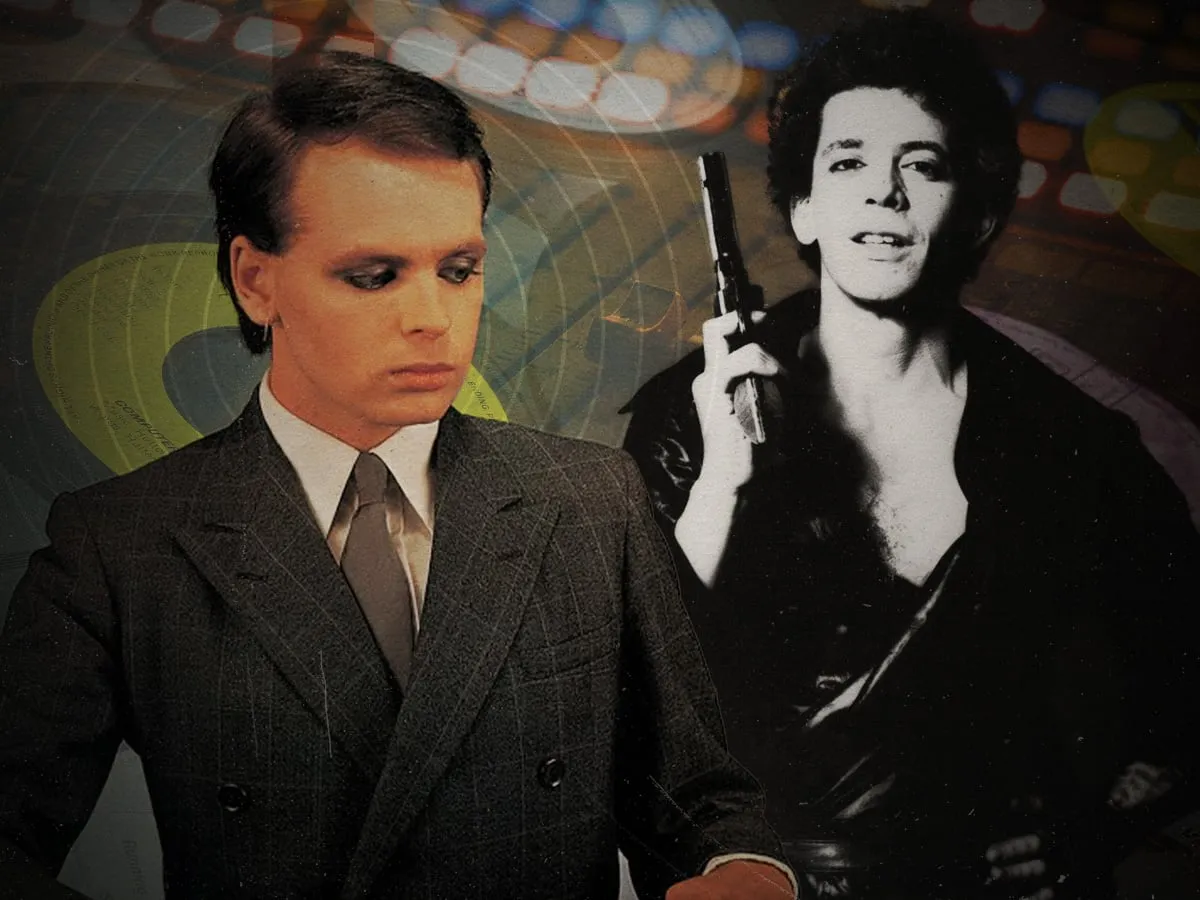
Consider the impact of Gary Numan’s ‘ME’. This classic synth-pop riff was famously sampled by Basement Jaxx for their hit ‘Where’s Your Head At’. The duo transformed Numan’s sinister opening into an upbeat, chaotic club anthem, granting the track a massive, contemporary resonance and ensuring Numan’s legacy echoed powerfully in the new millennium.
The world of sampling continues to produce iconic crossovers. The British rock anthem ‘Straight to Hell’ by The Clash was sampled by MIA for her 2007 hit ‘Paper Planes’. This collaboration, which drew on themes of immigration and social injustice, further cemented the song’s place in pop culture, later finding new life through samples by Jay-Z and TI on ‘Swagga Like Us’.
Similarly, Lou Reed’s timeless classic ‘Walk on the Wild Side’ found a modern groove when A Tribe Called Quest layered its bassline over their backbeat for their single ‘Can I Kick It?’. This fusion turned a timeless ode to the era’s superstars into an irresistible, essential piece of hip hop history.
In the electronic sphere, the concept of sampling led to radical shifts. Breakwater’s track ‘Release the Beast’ was famously recontextualized by Daft Punk for their track ‘Robot Rock’. This transformation introduced the funk band’s sound to a new generation, demonstrating how a sound can be radically reinterpreted across genres.
Even in the realm of lyricism, samples create fascinating cultural dialogue. Lew Stone and his Monseigneur Band’s hit ‘Your Woman’ was sampled by White Town for their track ‘Your Woman’. This transposition allowed the group to explore complex themes of gender and power dynamics, layering the original’s raw energy with new, provocative lyrical perspectives.
Ultimately, sampling is more than just a technical trick; it is a dialogue across time. It reminds us that music is fluid, capable of absorbing history, and always ready to be reimagined, ensuring that the echoes of the past continue to drive the future of sound.
Buy on Amazon
Credit