29 million copies sold: Is Don’t Stop Believin a triumph or trash
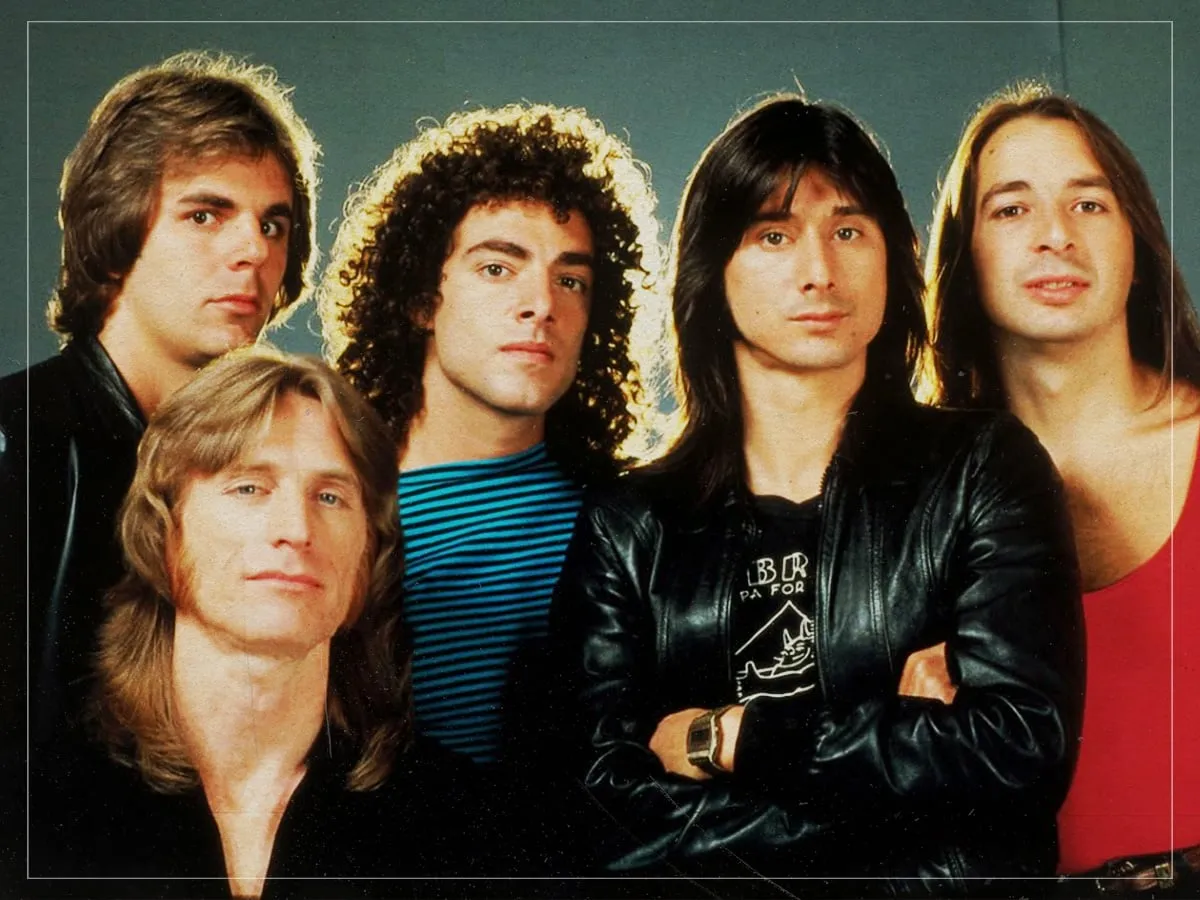
There are few songs that achieve the level of absolute, inescapable ubiquity found in Journey’s 1981 arena rock anthem, Don’t Stop Believin’. It has become less a piece of music and more a cultural touchstone, a sonic fixture that haunts karaoke nights, film soundtracks, and the very fabric of shared memory. The only remaining question, for many listeners, is simply: is it good?
When the single was released, Journey was still finding its footing. Prior to the massive success of this one track, the group had navigated a shift from progressive rock into a more commercially focused arena sound. Yet, Don’t Stop Believin’ didn’t just propel them; it instantly dwarfed any previous achievements, cementing the band’s place in rock history almost overnight.
The track achieved monumental success, selling nearly 30 million copies and re-entering the charts across multiple decades. It transcended musical boundaries to become the unofficial soundtrack to countless moments, from the dramatic final scenes of television dramas like The Sopranos to the inevitable singalongs at Christmas.
Its dominance is undeniable. Once released, the song became Journey’s signature anthem, making any subsequent concert an event where the audience is united by the chorus. It’s easy to imagine anyone attending a Journey performance post-1981 being bothered by anything other than the power of that enduring melody.
Naturally, this level of inescapable fame invites scrutiny. Some might dismiss the song as merely generic pop-rock, arguing that its success doesn’t automatically equate to musical genius. However, the true power of the track lies not in its complexity, but in its potent emotional core.
Musically, Don’t Stop Believin’ embodies a classic arena rock sound of the early 1980s, drawing parallels with contemporaries like Foreigner or Boston. While the solo work of members like Neal Schon certainly contributed to the sound, the song’s enduring appeal rests more heavily on its lyrical content and an irresistibly catchy bassline.
At its heart, the song is a timeless ode to perseverance. It speaks to the shared human experience of facing adversity and finding the will to keep moving forward through the trials of ordinary life. This message, reportedly inspired by the journey of its songwriter, Jonathan Cain, resonated universally because it touched upon every person’s dream and ambition.
The fact that a song can embed itself so deeply in the collective consciousness for over forty years speaks volumes. The real challenge facing the song is not its quality, but its own overwhelming fame. For many listeners, the relentless exposure has created a kind of musical vendetta.
Yet, despite the occasional fatigue, there is little chance of Don’t Stop Believin’ disappearing from the airwaves. It remains an unavoidable, powerful testament to the enduring power of a perfectly crafted, universally relatable rock anthem.
Buy on Amazon
Credit
