1960s Rock Basement: Cafe Au Go Go under Warhol
Beneath the polished veneer of downtown Manhattan, where the bohemian currents of Greenwich Village flowed freely, lay a secret: a basement nightclub named Cafe Au Go Go. Tucked away at 152 Bleecker Street, this venue was more than just a place for drinks; it was a clandestine basement hub for the most revolutionary sounds and artists of the 1960s rock and counterculture movement.
Long before the famed Garrick Cinema dominated the local landscape, Cafe Au Go Go existed, predating the theatre by several years. It was the pulsating, slightly illicit backdrop against which some of rock’s most transformative performers honed their craft, offering a vital space for musicians and dreamers alike.
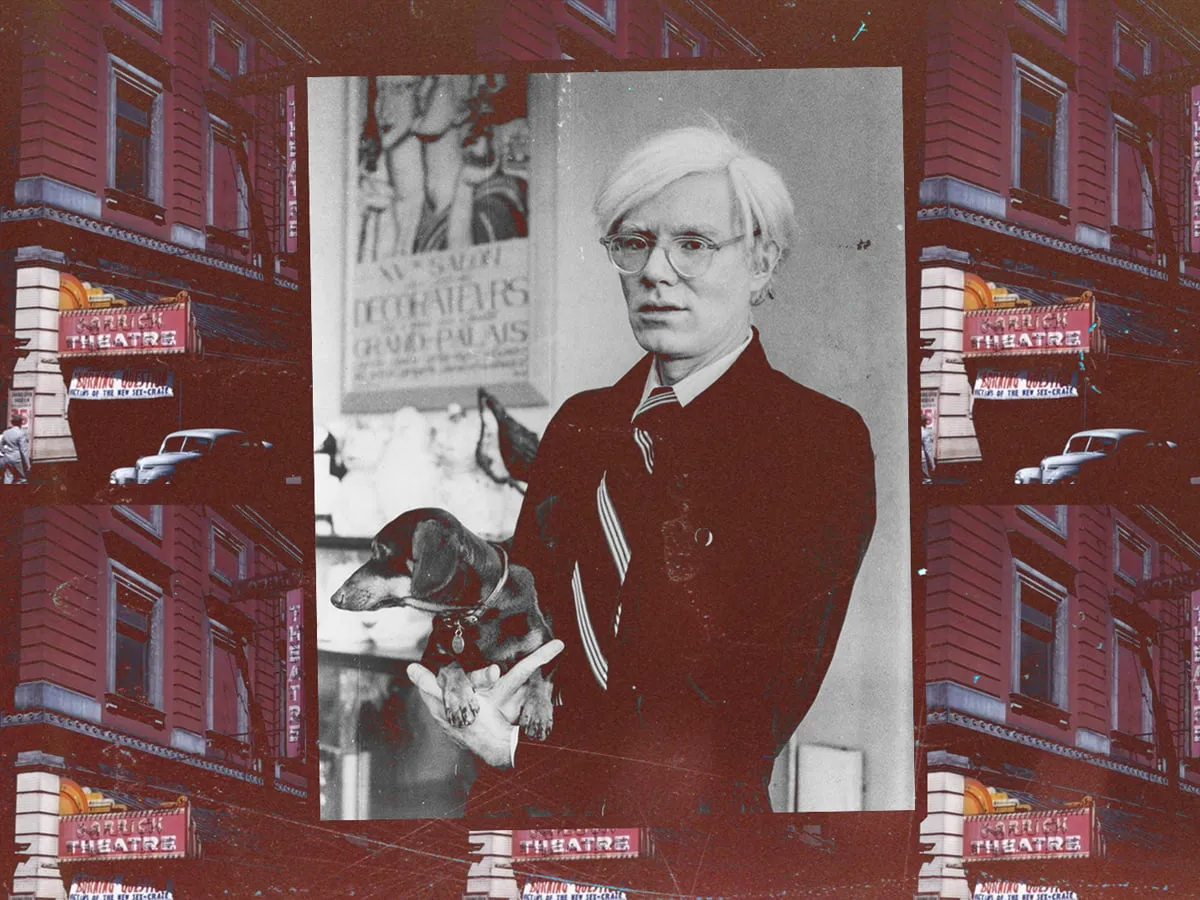
This subterranean space eventually found an unexpected connection to one of the era’s most enigmatic figures, Andy Warhol. While Warhol was famous for his art and his groundbreaking work in filmmaking—producing over 600 underground films—he also sought out unique spaces. He found it in the Garrick Cinema, a 299-seat theatre that began to bear his influence. Though the theatre was never officially his property, it became unofficially known as the New Andy Warhol Garrick Theatre, cementing its status as a space where cinematic and artistic rebellion could thrive.
When Warhol began his cinematic explorations, the Garrick provided the perfect backdrop. He debuted early works like Bike Boy and The Nude Restaurant at the venue, weaving the bizarre and beautiful world of the Factory into the fabric of underground cinema. It was here that visions of superstars, artists, and the bohemian scene were captured on film.
Meanwhile, Cafe Au Go Go continued its vibrant existence, remaining a staple within downtown New York’s independent venue circuit. It was a melting pot for every type of performer—from musicians and comedians to jazz legends and comedians like Lenny Bruce and George Carlin. The club was a place where the culture of rock exploded into a shared experience.
The venue hosted some of the most legendary acts that defined the decade. It was the stage for the Au Go Go Singers, who eventually evolved into The Company in the form of Stephen Stills, whose road tours took them across the country and introduced new sounds to audiences. Cafe Au Go Go even hosted the first New York residency for the Grateful Dead, offering an 11-day immersion into the emerging sounds of psychedelic rock on the East Coast.
The door remained open for musical titans. Jimi Hendrix, having moved to the city, found refuge and performing space at the club, playing as the backing band for John Hammond. Other icons, including Howlin’ Wolf, Muddy Waters, Van Morrison, and Joni Mitchell, regularly graced the stage, alongside jazz greats like Bill Evans and Stan Getz.
Sadly, like many of the downtown cultural hubs of that era, the legacy of Cafe Au Go Go was short-lived. By the close of the decade, the nightclub closed its doors in 1969, and by the 1970s, the building was demolished. Though the physical space vanished, the memory of Cafe Au Go Go—as the basement epicenter where high art met raw rock and counterculture—remains an indelible part of New York’s artistic history.
Buy on Amazon
Credit