10 stunning 1970s performances worth an Oscar
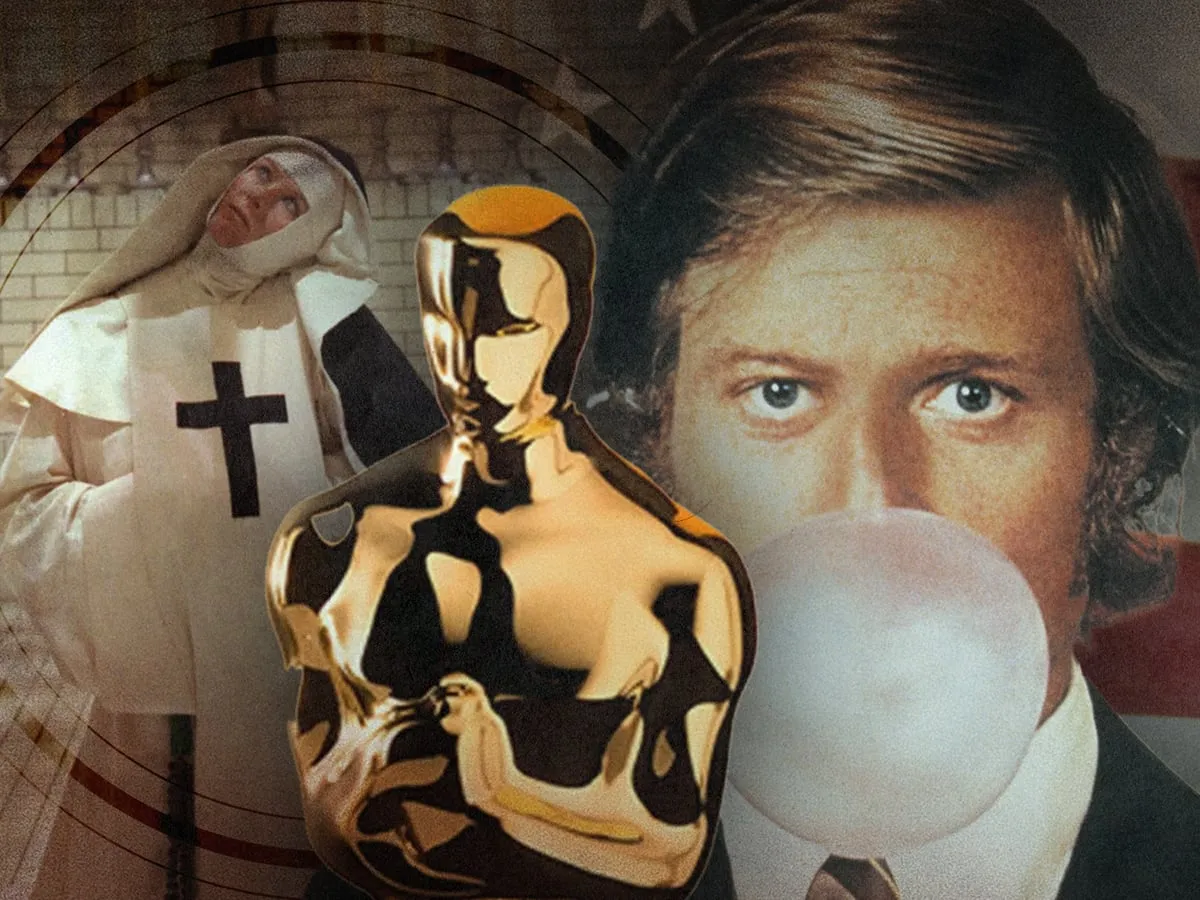
The 1970s. It is rightly remembered as the cinematic zenith, a decade bursting with masterpieces that redefined storytelling and aesthetic. This was arguably the era with the single greatest line-up of ‘Best Picture’ winners the Academy has ever seen, setting a benchmark for quality that few decades have matched.
The Oscars, meanwhile, cut through the noise with remarkable sharpness during this period, recognizing the decade’s best performances. However, even in an era of overwhelming quality, the system inevitably faces the challenge of choosing which achievements to spotlight. Not every stellar performance received the recognition it deserved, leading to a fascinating history of cinematic snubs.
These missed opportunities speak volumes about the selective nature of awards. While the quality of filmmaking in the seventies was undeniable, it also allowed certain performances—those that delivered raw, unforgettable depth—to slip through the cracks. It proves that true acting talent often matures and demands recognition on its own timeline.
We can look at just a few examples of legendary performances that the Academy overlooked:
In Robert Altman’s moody masterpiece, McCabe and Mrs. Miller, Warren Beatty’s portrayal of a cowardly, degenerate character was a brave subversion of his public image, a performance that deserved far more attention.
Then there is Vanessa Redgrave’s searing, paranoid performance as a dastardly nun in The Devils, a film that tackled explosive themes with brutal intensity. Her work was a standout, filling the screen with magnetic, volatile energy.
How about Robert Redford’s understated charisma in The Candidate? In this brilliant political satire, he masterfully embodies the idealistic, yet flawed, populist figure seeking to overturn the status quo.
The genius of the era also featured performances that defied easy categorization. Sissy Spacek’s raw vulnerability in Terrence Malick’s Badlands delivered an achievement of existential realism, capturing the spirit of a rebellious teenager perfectly.
Across the globe, the filmography also featured exceptional character work, such as Meiko Kaji’s physical and emotional complexity as an assassin in Lady Snowblood, a bloodthirsty quest for vengeance that brought deeply human conflict to the forefront.
The disillusionment of the New Hollywood era was also captured in the performances of Elliott Gould in The Long Goodbye, where he perfectly navigated the absurd and the gritty, playing a dishevelled private eye who is both investigative and deeply vulnerable.
Further highlights include James Caan’s career, which was largely overlooked despite an unforgettable, simmering intensity in The Gambler, and the mesmerizing depth found in Delphine Seyrig’s work in Chantal Akerman’s critically acclaimed Jeanne Dielman, 23 quai du Commerce, 1080 Bruxelles.
Finally, the enduring power of performance was evident in Gena Rowlands’ demanding portrayal in Opening Night, a work that showcased the intense chemistry and complexity of her relationship with director John Cassavetes.
These celebrated performances remind us that while awards matter, the true measure of cinematic greatness often lies in the depth and impact delivered by the actors themselves.
Buy on Amazon
Credit