10 Shocking Horror Endings from the 90s
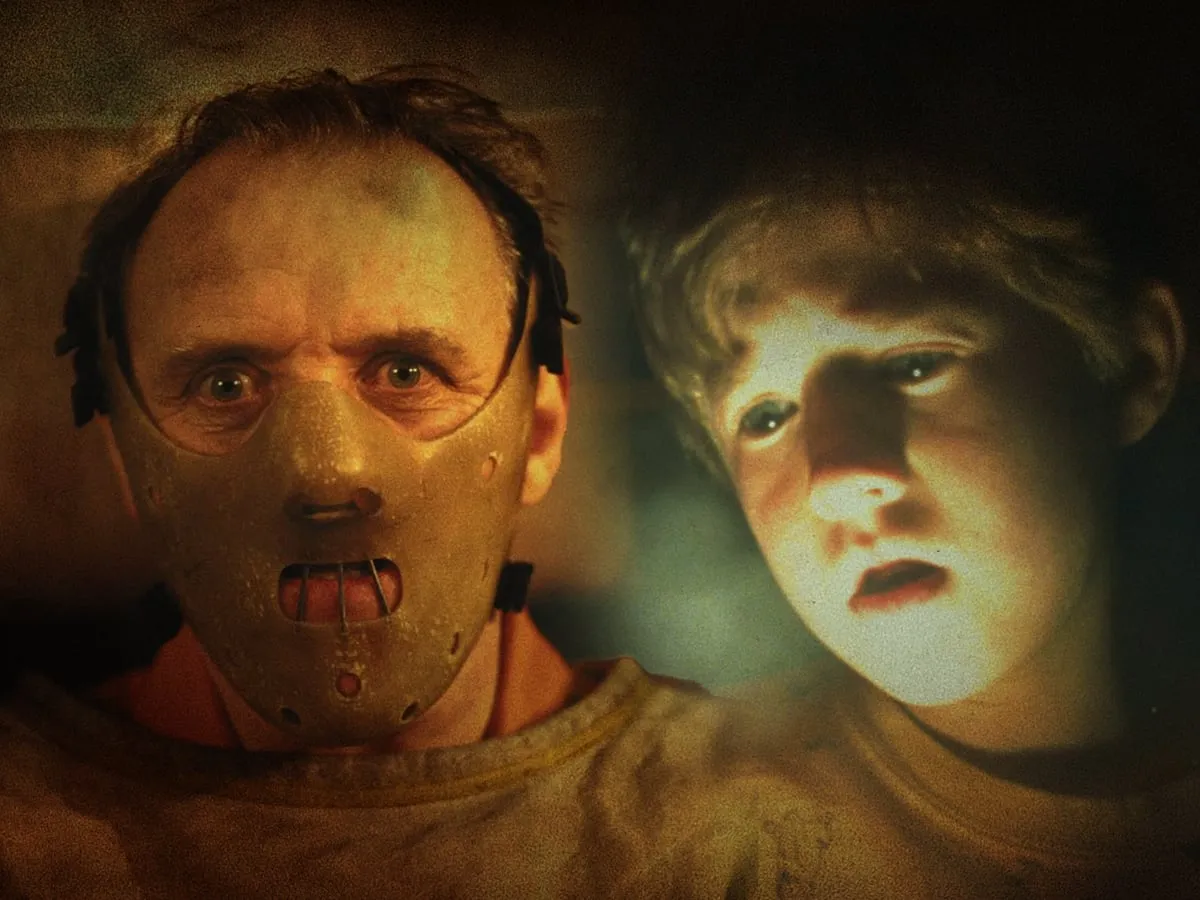
Horror cinema, much like any great art form, has proven remarkably resilient across cinematic history. While the landscape of genre films shifts with the times, the core essence of fear remains constant. The 1970s delivered a robust collection of great horror films, but it was the 1980s that truly transformed the genre, establishing the framework for horror to become a legitimate, mainstream blockbuster.
The 1980s were the decade where genre films truly found their commercial footing, birthing some of the most iconic slasher franchises. This era gifted us legendary figures like Halloween, A Nightmare on Elm Street, and the relentless pursuit of Friday the 13th, setting the stage for modern horror iconography.
The transition into the 1990s brought a fascinating evolution. While these films offered plenty of fun escapism, they didn’t always deliver the jaw-dropping, visceral terror of earlier classics like Rosemary’s Baby or The Texas Chain Saw Massacre. However, this decade also saw a critical shift, slowly pushing horror toward greater respectability.
This shift was powerfully demonstrated by critical recognition for films like Misery, which secured an Academy Award for Best Actress for Kathy Bates, marking a moment when the critical community embraced the genre more fully.
The 1990s also ushered in new, compelling subgenres. The emergence of the Scream franchise kickstarted a new wave of teen horror, leveraging the era’s focus on adolescence to deliver witty, self-aware scares.
Beyond the popular hits, the decade explored the psychological and existential dread lurking beneath the surface. Films like Jacob’s Ladder offered a bleak, devastating look at post-traumatic stress and fractured reality, diving deep into the horrors of the Vietnam experience and memory.
The mastery of suspense was equally on display in masterpieces like The Silence of the Lambs, which broke cinematic barriers by exploring the sick underbelly of American society and earning the Academy Award for Best Picture. It showcased that horror could be profound, timely, and deeply human.
Other cinematic journeys during this time were equally unforgettable. David Lynch’s return with Twin Peaks: Fire Walk with Me delved into horrific familial abuse, while Francis Ford Coppola delivered the gothic epic Bram Stoker’s Dracula, a mainstream success wrapped in an avant-garde, thematic ending.
The boundary-pushing nature of 1990s horror is perhaps best encapsulated by films that shattered expectations. John Carpenter’s In the Mouth of Madness defied convention, forcing audiences to question reality itself, culminating in a fourth-wall-breaking finale that sparked endless debate.
Similarly, David Fincher’s Se7en delivered one of cinema’s most chilling twists, blending a relentless hunt with a profound commentary on morality, leaving audiences grappling with the bleakest philosophical conclusions.
From the delightfully absurd Army of Darkness to the unsettling analysis in Funny Games, the 1990s proved that horror was not just about jump scares, but a dynamic, complex exploration of fear, psychology, and the very nature of reality.
Buy on Amazon
Credit
