10 Scariest Horror Jump Scares of the 2000s
The Thrill of the Jolt: How the 2000s Redefined the Art of the Jump Scare
The era of 2000s horror cinema was a fascinating and often jarring time, defined by the relentless deployment of the jump scare. For many fans, this technique remains a polarizing subject: is it the pinnacle of suspenseful filmmaking, or a lazy shortcut to cheap thrills? The answer, as with all cinematic devices, is subjective. Jump scares are not inherently good or bad; their effectiveness hinges entirely on their execution, the story’s context, and the meaning they ultimately convey.
The decade was a fertile ground for horror because it absorbed and reinterpreted trends from the 1990s while simultaneously launching new subgenres. Films like Scream kicked off a new wave of teen horror, while the massive success of The Blair Witch Project cemented the found-footage style. This cultural moment allowed filmmakers to experiment with tension, leading to a diverse landscape that blurred the lines between genuine fear and manufactured shock.
While the volume of films was high, the 2000s also saw some masterful, unsettling achievements. Some movies used scares to build genuine psychological dread, while others employed them as pure, kinetic shock. Examining the most memorable moments of the decade reveals how effectively filmmakers manipulated audience expectations.
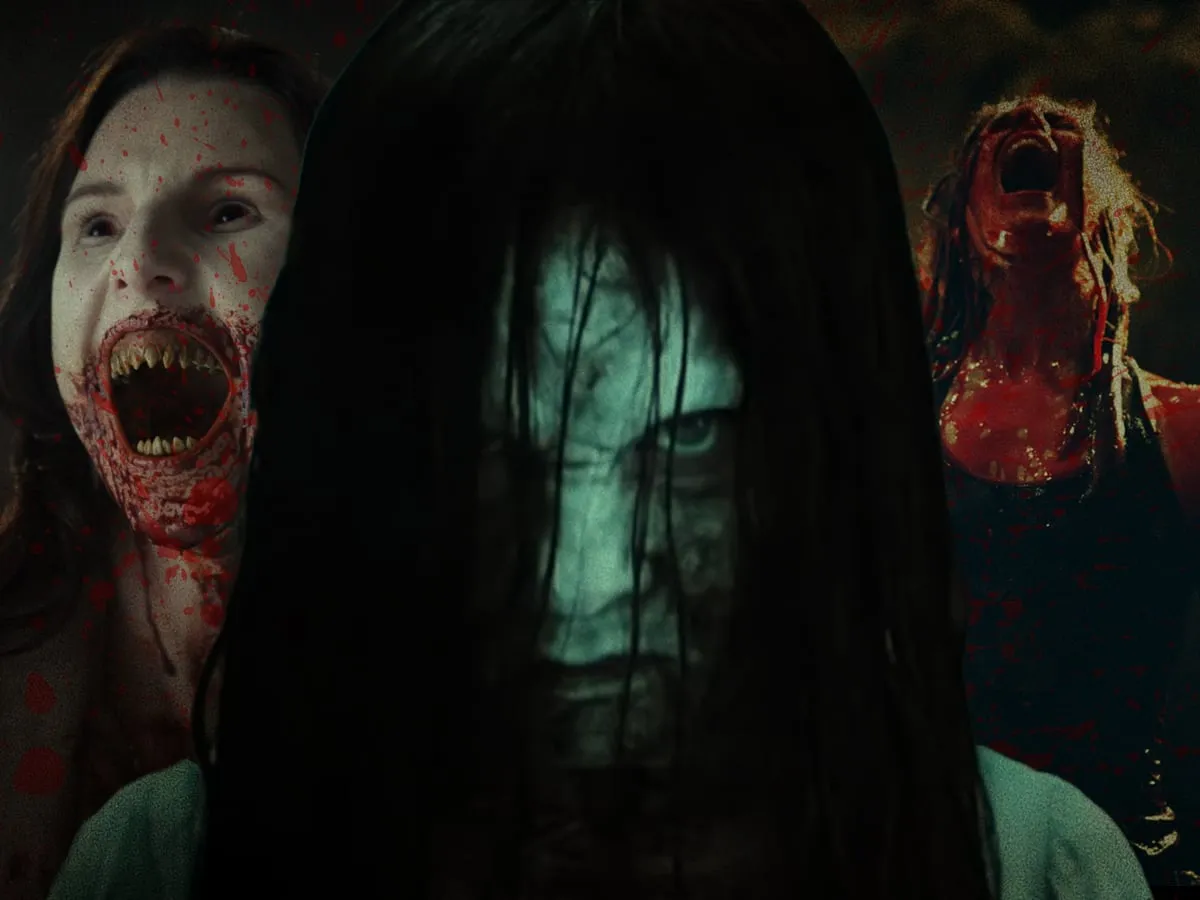
One prime example of turning mundane objects into instruments of terror was The Ring. Director Gore Verbinski masterfully used the concept of cursed media, making household tapes the vehicle for dread. The climactic scene where the spirit of Samara emerges from a television screen is a prime illustration of how a simple visual trick can deliver profound terror.
In contrast, other films utilized jump scares to explore deeper thematic territory. What Lies Beneath utilized cutting-edge CGI not just for spectacle, but to tell a story about haunting and deception. It provided a fascinating psychological dive into a marriage haunted by murder, with moments of sheer terror—such as Harrison Ford’s fear of his own reflection—feeling earned because they were rooted in the narrative.
The concept of inescapable fate was another popular theme. Final Destination perfected the death gimmick, offering a framework where death itself becomes a relentless, chaotic force. Despite the franchise’s chaotic nature, the initial shock of near-fatal accidents provided a high-stakes, exhilarating experience, leading to a saga that proved remarkably consistent and endlessly reinventable.
Other titles offered different flavors of fright. Drag Me to Hell served as a stark social experiment, using intense character torture to explore moral corruption. The shock value came not just from the physical ordeal, but from the unsettling confrontation with the terrifying reality of the character’s choices. Meanwhile, The Strangers delivered a different kind of horror: pure, paralyzing psychological suspense. The fear in this film stemmed from the unsettling feeling of being watched—a profound sense of vulnerability that proved far more horrifying than any physical violence.
The atmosphere of isolation also contributed to the fear. 30 Days of Night created a chilling sense of atmospheric dread, immersing the audience in the suffocating isolation of an Alaskan winter where the characters are utterly helpless.
Even in films that sought to deliver a twist, the execution of the scare proved as impactful as the reveal. Signs showcased how a jump scare can be deployed not through gore, but through perspective and emotional context. The most disturbing moments were tied to the audience’s growing realization of grief and faith, culminating in a reveal that prioritized psychological horror over cheap surprise.
The evolution of jump scares in the 2000s demonstrates that they are more than just momentary jolts. They are tools that, when wielded skillfully, can underscore narrative themes, explore social anxieties, and deliver unforgettable, lingering emotional impact. This decade proved that fear, when handled with creativity, remains one of cinema’s most potent forces.
Buy on Amazon
Credit
