10 iconic 2000s performances for an Oscar
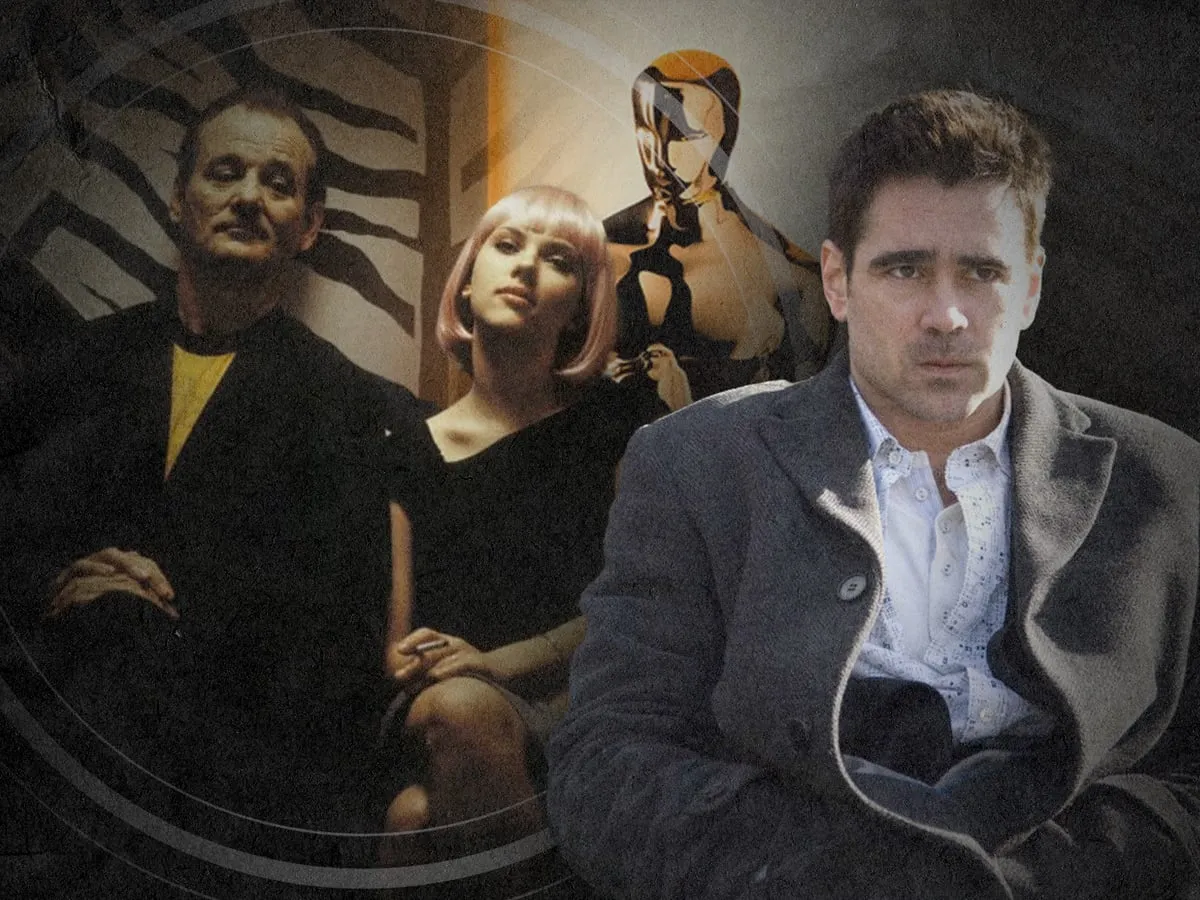
The quest for the Academy Awards has always been a fascinating blend of artistry and politics. But as we look back at the early 21st century, the mechanism by which films are celebrated began to shift, leading to some truly remarkable performances that arguably deserved far more recognition.
The 2000s saw a noticeable transformation in the Oscar campaign process. The late 1990s had ushered in an era where campaigning evolved into a more aggressive form, often relying on smear tactics and direct appeals to voters, sometimes using stars as political rallying points. This shift meant that the strength of the promotional campaign sometimes began to overshadow the sheer quality of the cinematic achievement, setting a precedent that the spectacle of the pitch could matter more than the substance of the film itself.
This dynamic introduced a certain level of irony into the awarding process. While this era saw the emergence of more ‘Oscar bait’—titles that were popular upon release but faded into obscurity—it also highlighted the inherent difficulty in judging cinematic merit. It raises the question of why certain groundbreaking performances, rich with depth and nuance, slipped through the cracks, often overshadowed by other contenders.
It is impossible to assign a single reason why a performance might miss the nomination; it could be due to genre bias, insufficient campaigning, or simply the emergence of stronger, more compelling alternatives. Yet, those performances that endure, standing the test of time, remind us that true cinematic impact exists beyond the votes of the Academy.
Among the many brilliant acting showcases of the decade are several performances that deserve a closer look. Consider Isabelle Huppert in The Piano Teacher (2001). Her transformative, darkly funny, and heartbreaking portrayal of a woman grappling with her existence is a masterpiece, a performance so powerful it shaped a generation of performers. It is a testament to the depth of acting that often goes unrecognized by the voting body.
Another standout was Naomi Watts in David Lynch’s Mulholland Drive (2001). Watts delivered a performance of profound vulnerability and duality, navigating a complex narrative that proved her capacity for nuanced, complex acting. Despite her incredible contribution to a cinematic phenomenon, her nomination status felt like an oversight.
The critical weight of performance often finds resonance in the often-overlooked actors. Gene Hackman’s turn in Wes Anderson’s The Royal Tenenbaums (2001) is a masterclass in comedic timing and complexity. He embodied the narcissistic patriarch with a unique blend of pathos and humor, offering a final, unforgettable chapter to his celebrated career.
In the world of motion-capture, Andy Serkis’s portrayal of Gollum in The Lord of the Rings: The Two Towers (2002) was integral to the trilogy. He didn’t just play a character; he embodied the tragic essence of greed and desire, eliciting surprising empathy from the audience and serving as a brilliant example of how performance can transcend conventional acting boundaries.
Scarlett Johansson’s performance in Lost in Translation (2003) remains hauntingly effective, capturing the exquisite isolation and melancholy of her character. It was a brave performance that showcased her evolution and her ability to inhabit a deeply complex emotional space, proving her range far beyond her earlier roles.
Even in more niche dramas, the talent shines. Peter Sarsgaard’s subtle performance as Chuck Lane in Shattered Glass (2003) provided the emotional anchor for a story about exposing a massive scandal. His nuanced portrayal of a conflicted editor demonstrated a sensitivity often missed by the awards cycle.
The power of performance is truly universal, regardless of the awards bestowed. Whether it is the searing intensity of Tang Wei in Lust, Caution (2007), which tackled complex, controversial themes with breathtaking intensity, or the grounded, reflective portrayal of Katie Jarvis in Fish Tank (2009), which showcased a character thriving through bleakness, these are the performances that resonate long after the awards season has concluded. They stand as powerful reminders that the most impactful stories are often found in the art of acting.
Buy on Amazon
Credit