10 Directors Who Bet Their Careers on One Movie
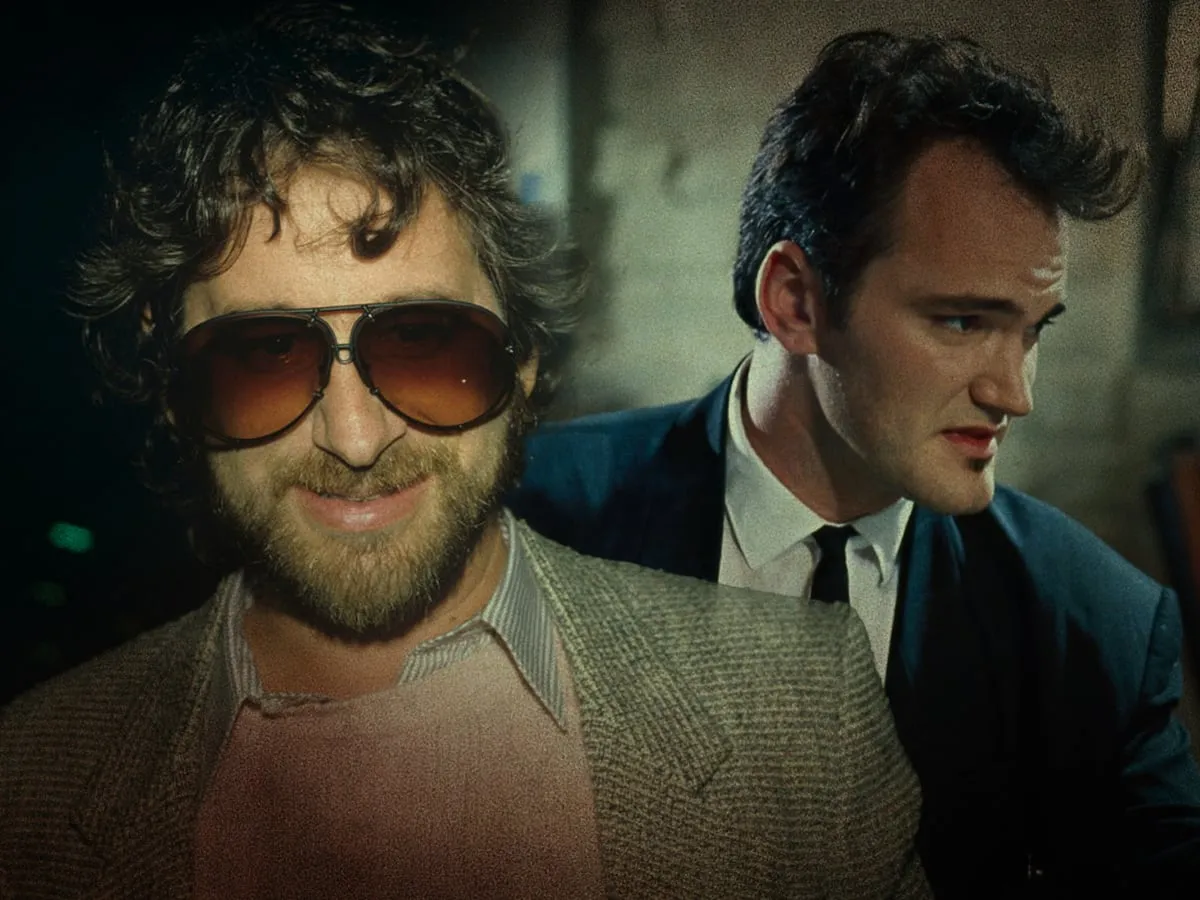
The journey of a director is rarely a straight line; it is often a high-stakes gamble. Unlike writers or painters who control their canvas, directing is a collaboration fraught with uncertainty. A filmmaker must either amass significant resources to fund a project or earn the trust of financiers, and in many cases, the risk is that they may never get a chance to step behind the camera again if their efforts fail.
While there are countless ‘journeyman’ filmmakers who execute instructions flawlessly, the true titans of cinema are those who embrace daring risks, forging a path through sheer audacity. These are the directors who bet their entire creative future on a single vision, and the results—both artistic and financial—have reshaped the landscape of film history.
The stakes couldn’t be higher. For some, this gamble meant creating an anti-fascist masterpiece; for others, it meant pioneering a completely new cinematic language; and for some, it meant achieving blockbuster status and reshaping global entertainment.
Consider Charlie Chaplin, whose ambitious choice, The Great Dictator, was not just a comedy but a powerful, moving metaphor against the rise of fascism, cementing his legacy as an anti-fascist artist.
Orson Welles, already a stage legend, sought total creative command with Citizen Kane. By experimenting with non-linear storytelling, Welles pushed the boundaries of cinematic language, producing a film that remains a touchstone for film studies and a testament to artistic freedom.
Jean-Luc Godard, a critic turned revolutionary, took a plunge with Breathless. This film, characterized by its improvisational style and instinctual decisions, was more than just a movie; it was a catalyst for the French New Wave, proving that innovation could define a cultural movement.
Steven Spielberg faced immense pressure while making Jaws. Battling studio interference and production controversies, he navigated a perilous path to create a creature feature that became a global phenomenon. Jaws didn’t just make money; it established Spielberg as one of the most powerful voices in cinema.
George Lucas, frustrated by restrictions on his earlier works, decided to fund his vision independently. Star Wars exploded onto the scene, evolving into a massive, enduring franchise that not only delivered unparalleled entertainment but also allowed Lucas to become a billionaire and a major force in visual effects.
Sam Raimi, determined to create the darkest horror imaginable, famously sought out his friends to create their own special effects for The Evil Dead. This hands-on approach resulted in an innovative, home-grown style of splatter horror that captivated audiences and allowed him to dominate the horror genre.
Quentin Tarantino, the self-taught movie buff, poured his own resources into Reservoir Dogs. Unfettered by studio mandates, the film became an indie sensation, proving that a raw, unconventional script could achieve massive success and launch Tarantino into superstardom.
Kevin Smith, who had no formal film experience, channeled his real-world observations into Clerks. By funding the production through his own credit card and hiring friends as actors, he demonstrated that a brilliant concept, even on a shoestring budget, could define a generation and influence pop culture.
James Cameron’s magnum opus, Titanic, was a monumental gamble in scale and technical innovation. Breaking away from familiar genres, Cameron’s painstaking production led to record-breaking success, setting new Oscar records and redefining the boundaries of what cinema could achieve.
Even in recent times, this spirit of artistic risk endures. Brady Corbet’s passion project, The Brutalist, proved that an ambitious, auteur vision—even one focused on arthouse sensibilities—could capture a massive audience and earn critical acclaim, showcasing that daring films still hold enormous commercial and cultural weight.
Buy on Amazon
Credit