10 Best Debut Movies of the 90s
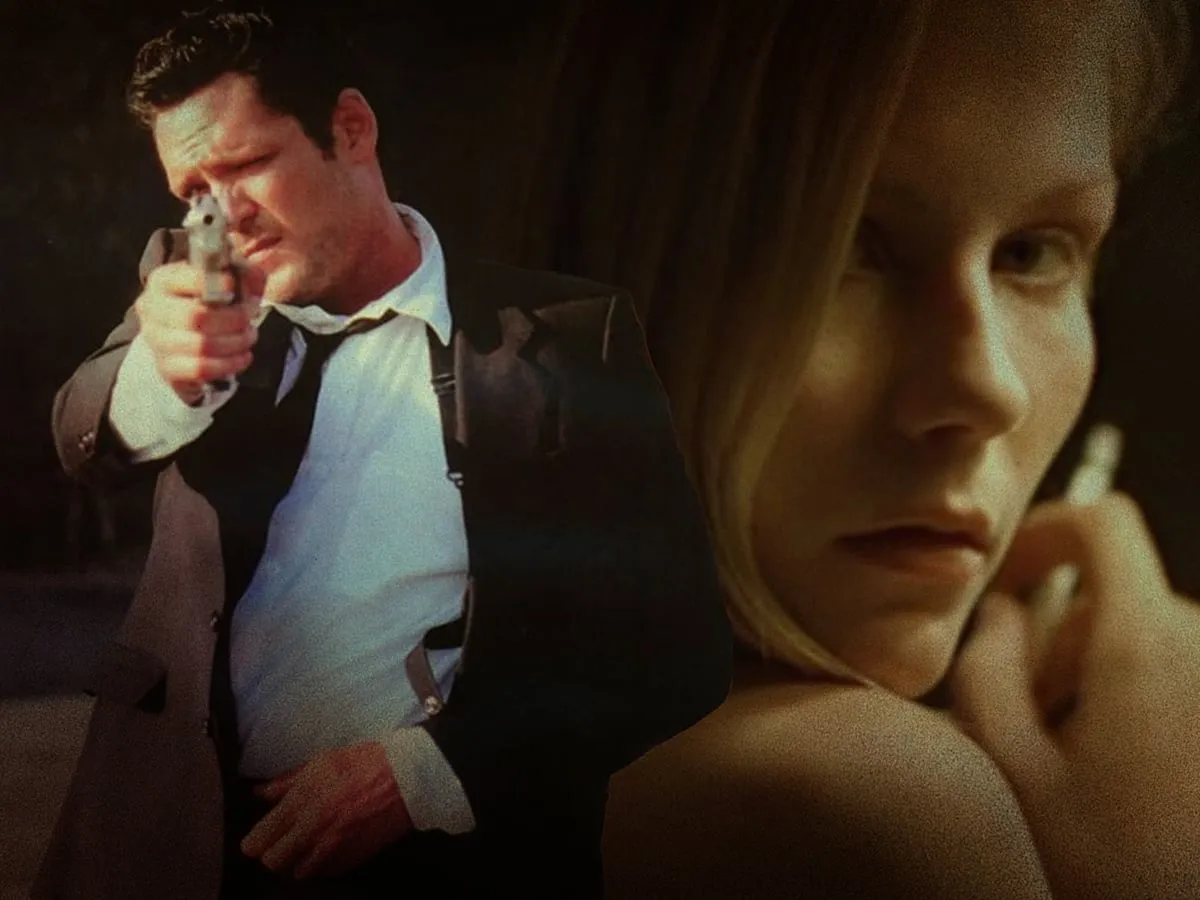
The 1990s weren’t just a decade on the calendar; they were a cinematic explosion, a genuine renaissance for filmmakers who would go on to define modern cinema. This era saw a shift in power, where the risk-taking and individual vision of the auteur became the dominant force, pushing boundaries in ways that still resonate today.
Comparisons between the ’90s and the preceding 1970s are apt, as both decades were characterized by a wave of incredibly creative, individualized directors who embraced daring productions. The increased media attention surrounding films in the nineties gave these directors the platform to become superstars, granting them immense power to shape audience perception of upcoming releases.
Directors gained a new kind of leverage, possessing the ability to sell an audience on a project with the same force as a major movie star or franchise. While there is no guarantee a debut will be a blockbuster triumph, the creative freedom afforded by this new landscape allowed some of the most impactful voices to emerge.
Some of the decade’s debuts laid crucial groundwork. David Fincher, for instance, made his directorial debut with Alien 3, a film marked by intense studio meddling and a denied final cut. Though he disowned the work, this experience cemented him as one of the most prominent directors of the 1990s.
Other cinematic debuts showcased remarkable inventiveness. Christopher Nolan began his journey with Following, a black-and-white noir that felt like an extended student film, demonstrating incredible inventiveness even on a shoestring budget.
The decade also yielded incredibly diverse and memorable stories. Danny Boyle launched a new wave of independent British cinema with Shallow Grave, a taut suspense thriller that captured the anxieties of class and youth. His subsequent work, including Trainspotting, further solidified his reputation.
Filmmakers explored raw, uncomfortable truths as well. John Singleton’s debut, Boyz n the Hood, provided a compassionate, yet unflinching exploration of gang violence and the pressures faced by Black communities. This film, which featured an outstanding performance from Laurence Fishburne, became a history-making debut, making Singleton the youngest and first Black director ever nominated for a Best Director Academy Award.
Quentin Tarantino emerged as arguably the most iconic director of the decade. Through films like Reservoir Dogs, he demonstrated extraordinary storytelling skill, using sharp dialogue and a low budget to deliver a masterpiece, famously crafting a heist narrative where the action was expertly masked.
The power of observation was also highlighted in films like American History X, where the director Tony Kaye sought a bleak, confrontational examination of racism in America. Despite controversy surrounding the film’s production, Kaye’s vision focused intensely on the animosity building within young men, creating a film that remains deeply relevant.
Other standout debuts explored complex emotional landscapes. Paul Thomas Anderson’s Hard Eight was a brilliant two-hander, intricately weaving the relationship between a veteran gambler and a young protégé, exploring themes of love, rivalry, and the complexities of Las Vegas life.
The influence of cinema on popular culture was also evident in films like Clerks, where Kevin Smith, working in a convenience store, captured the essence of modern life through seemingly mundane conversations and shockingly dark humor. This phenomenon led to a universe of interconnected films like Mallrats and Chasing Amy.
Sofia Coppola, in The Virgin Suicides, offered a surprisingly ambitious and modern adaptation of a novel, using fashion, colour, and music to explore the tragic scenario through the warped perspective of hormonal teenage boys.
Tamara Jenkins’ Slums of Beverly Hills provided a heartfelt and hilarious look at family chaos and burgeoning sexuality, examining class dynamics with warmth and wit, making it a timeless classic.
Finally, Frank Darabont’s The Shawshank Redemption stands as one of the greatest films ever made. It offered a slow-burn success, gradually evolving into a classic that perfectly embodied hope. The relationship between Andy and Red, illuminated by cinematography that is widely regarded as a masterclass, remains one of cinema’s most affecting stories.
The 1990s filmmakers didn’t just make movies; they redefined the landscape, proving that raw, personal vision, coupled with daring execution, is the ultimate key to lasting cinematic impact.
Buy on Amazon
Credit
